REVIEW · NATIONAL GALLERY LONDON
London: National Gallery of London Masterpieces Guided Tour
Book on GetYourGuide →Operated by Babylon Tours London · Bookable on GetYourGuide
The National Gallery makes more sense fast. I love how this tour turns a huge museum into a clear art timeline, and I love the way guides like Jake and Stephanie keep the room talking about meaning, not just names. My only caution: it can get crowded and noisy, so if you rely on audio clarity, bring along your own listening help.
You also get a tight focus with a small group setup (up to 8 people), so you’re not lost in a sea of elbows. Live English commentary means you can ask questions as you go, and you’ll bounce between major shifts in style—from early devotional panels to later masterpieces.
One more practical note: expect a little walking and bring an ID (passport or card), since the museum rules also limit what you can carry—no luggage or large bags.
In This Review
- Key Highlights I’d Prioritize
- Turning the National Gallery Into a Story You Can Follow
- The Masterpieces Route: 1300s to Modern Style in One Pass
- What Live Commentary Adds (and What Crowds Can Take Away)
- Pacing and Group Size: Enjoy the Art, Not the Traffic
- Price and Value: What $112 Buys in the National Gallery
- Logistics That Actually Matter: ID, Bags, and Meeting Point
- Who This Tour Suits Best (and Who Might Want Another Plan)
- Should You Book the National Gallery Masterpieces Guided Tour?
- FAQ
- How long is the National Gallery Masterpieces guided tour?
- How much does the tour cost?
- Is this tour private or shared?
- How large are the small groups?
- What language is the live guide?
- What kind of art period coverage should I expect?
- Are temporary exhibits included?
- What should I bring to the tour?
- Are bags and luggage allowed?
- Is the tour wheelchair-friendly?
Key Highlights I’d Prioritize

- A guided art timeline from the 1300s to early 20th-century works, not random wandering
- Big-name anchors like Da Vinci’s The Virgin of the Rocks, Botticelli’s Venus and Mars, and Van Gogh’s Sunflowers
- A living guide experience with live English commentary that stays clear even in busy rooms
- Meaning-focused viewing, with stories that connect technique, symbols, and historical context
- Pacing built for real museum time, lasting about 2.5 hours with small-group access
Turning the National Gallery Into a Story You Can Follow
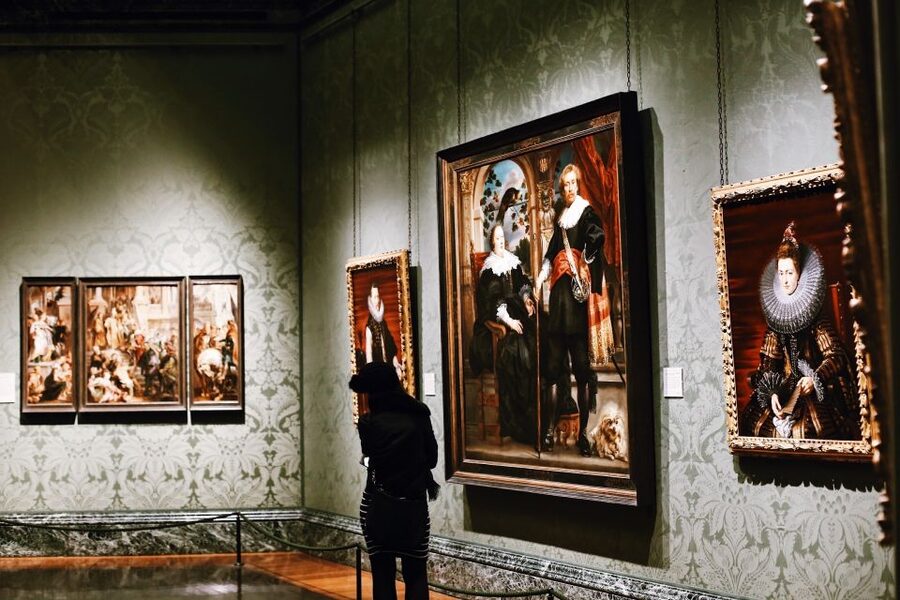
The National Gallery can feel like a visual library with no table of contents. This kind of guided “masterpieces highlights” format helps you build a mental map quickly, so you don’t just look—you understand what you’re looking at. With a 2.5-hour length, you get enough time to connect ideas across centuries without feeling dragged through every room.
What I like about the setup is the way it’s organized around shifts in art: devotional images, Renaissance storytelling, then the gradual leap toward modern styles. The tour includes live English commentary, so you’re not stuck trying to decode wall labels with everyone else staring at the same tiny text.
You’ll also get a focused route through major works and eras from the 1300s onward, including examples that represent how artists thought, worked, and even how patrons expected art to function. That’s the real value: not just seeing famous pictures, but learning why they looked the way they did.
The Masterpieces Route: 1300s to Modern Style in One Pass
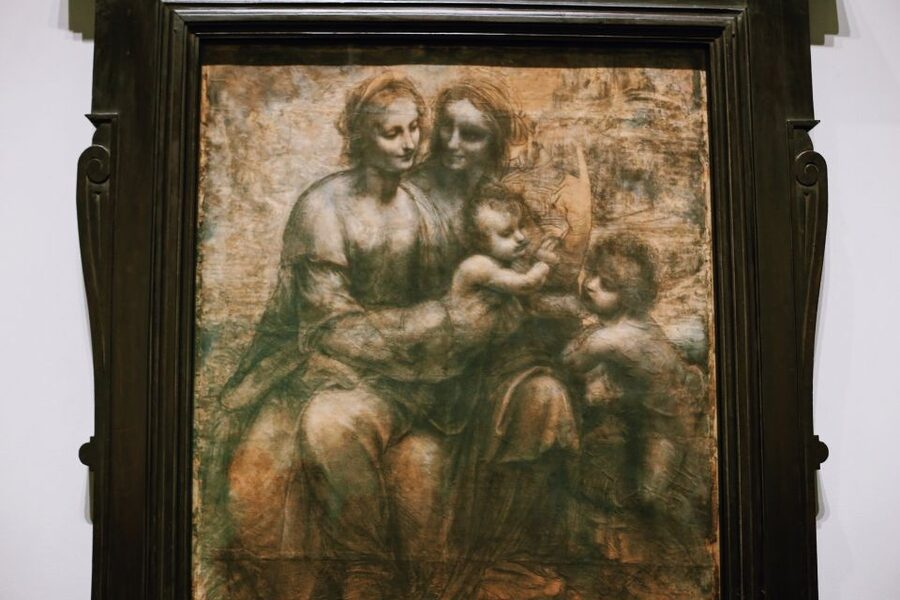
This tour is structured around a sweep of art history, using standout works as “chapters.” You start with earlier periods (the collection includes paintings from the 1300s onward), then you jump forward in time to show how styles changed as Europe changed. That big “then and now” contrast is exactly what makes a 2.5-hour highlight tour feel more than just a list of names.
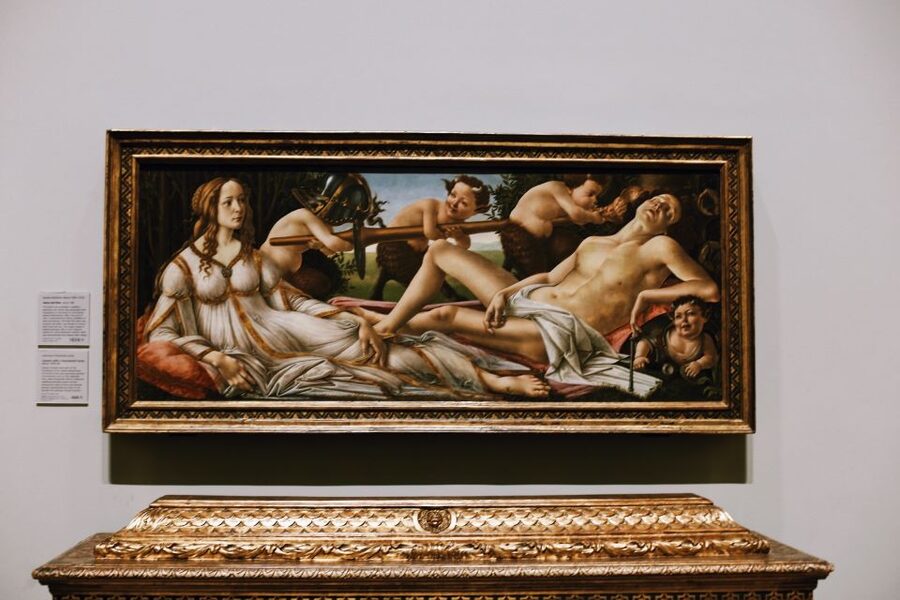
You may begin with early devotional and Renaissance-related paintings (the tour mentions early devotional works by Raphael), which is a great entry point because it trains your eye on symbolism and purpose. From there, Botticelli’s panel painting of Venus and Mars is a natural next step: the subject is familiar, but the way the scene is composed helps you see how Renaissance artists used myth as more than decoration.
Then comes a major pivot: Da Vinci’s The Virgin of the Rocks. This painting is often the kind of work that feels mysterious at first glance. A good guide helps you slow down and notice how the image creates mood and meaning through form and composition, rather than treating it like a famous name you’ve already “checked off.”
After that, the tour moves into later centuries and the changing language of painting. You’ll also see (or at least get guided attention on) works like Velázquez’s Rokeby Venus and Vermeer’s Lady Standing at a Virginal. These stops work well because they represent different priorities—dramatic realism on one end, quiet observation and light on the other.
Finally, you reach later masterpieces that show modern evolution in style. Van Gogh’s Sunflowers is specifically called out, and it’s a perfect “emotional style” marker: color, brushwork, and feeling take center stage. The tour then fast-forwards to Seurat’s Bathers at Asnières, which helps you understand how technique itself can become the story—especially with the way modern approaches differ from earlier eras.
A key bonus: you’ll hear stories about major artists across the timeline, including Botticelli, Monet, Rembrandt, and Vermeer. Even if you don’t spend the entire time parked in front of one artist, that broader thread helps you connect what you’ve already learned to what you might notice on your own afterward.
What Live Commentary Adds (and What Crowds Can Take Away)

A guided museum tour is only as good as the person holding the thread. In this experience, live English commentary is part of the package, and the guides vary, but the goal is consistent: make each painting feel like it has a reason to exist.
You’ll get explanations that connect style and technique to the historical moment. That matters because the National Gallery isn’t just about “pretty pictures.” It’s also about how artists conveyed ideas—religion, myth, status, observation—and how those choices shifted over time.
One practical reality: the Gallery gets busy. If you rely on hearing aids or you’ve ever struggled with speech in crowded indoor spaces, plan for that. One guest specifically pointed out that it would have been easier with Bluetooth headsets due to noise, which lines up with what you should expect in a large museum room.
So here’s my practical advice: if you know you’ll strain in noisy settings, bring your own solution for clearer audio. Even a small step—like sitting where the guide’s voice carries best—can make a big difference.
Pacing and Group Size: Enjoy the Art, Not the Traffic
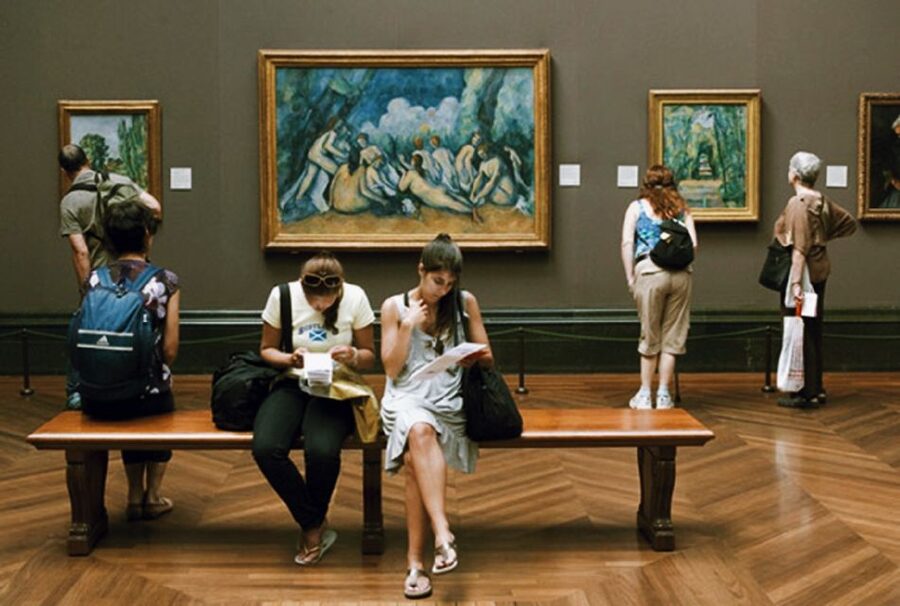
This tour works because it’s short enough to feel focused and long enough to absorb meaning. Lasting about 2.5 hours, it’s designed for sightseeing without turning into a long endurance test. A little walking is involved, so wear comfortable shoes and expect to move between key rooms.
Group size is a real quality lever here. It runs as a private option or as a small group with no more than 8 people. In a museum, fewer people often means you can actually see what the guide is pointing at—and you can hear the commentary without constant guessing.
There’s also a small-group minimum of 2 people. If the minimum isn’t met, you’ll be offered an alternative date or a full refund. That’s helpful because it reduces the risk of showing up to a tour that doesn’t run as intended.
Price and Value: What $112 Buys in the National Gallery
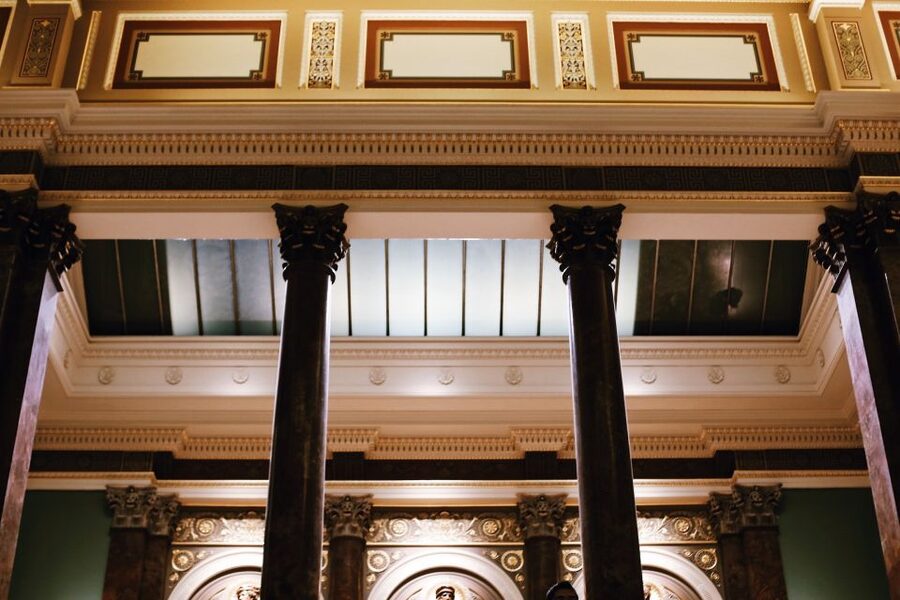
At $112 per person, this isn’t the cheapest way to see the National Gallery. But it also isn’t trying to compete with a self-guided ticket. You’re paying for a professional guide, live commentary, and a carefully selected route that uses the Gallery’s most iconic works as stepping stones through time.
The value shows up in three ways:
- Time savings: you’re not spending your whole visit trying to figure out what order makes sense
- Meaning savings: explanations help you connect technique and context instead of reading every label line-by-line
- Museum efficiency: you’re guided toward highlights that represent big shifts in European art history, not just the most famous images
Also, this tour excludes temporary exhibits, which can be a plus. Temporary displays can be interesting, but they don’t always serve the “masterpieces timeline” purpose. Here, you’re spending your limited time on the core collection and the eras those works represent.
If you already love art history and enjoy reading, you might still choose to go solo. But if you want a fast, high-impact understanding of what matters—and why—it’s strong value for the time.
Logistics That Actually Matter: ID, Bags, and Meeting Point
The meeting point may vary depending on which option you book, so don’t assume it’s in the same spot every day. The practical move is to confirm your exact meeting location when you check your selected option.
Bring a passport or ID card, since that’s what the tour requires for entry. Also plan for luggage limits. The tour notes that luggage or large bags aren’t allowed, which is typical for museum spaces and guided movements inside.
Food and drinks aren’t included unless specified, so if you need a snack break, plan that around your own schedule before or after the tour window. Since the experience is about 2.5 hours, you can usually manage without a meal, but water is smart.
Who This Tour Suits Best (and Who Might Want Another Plan)
This is a great fit if you want a guided, structured view of the National Gallery without losing an entire day. I’d especially recommend it for:
- First-time visitors who feel overwhelmed by a huge museum
- Art-history fans who want connections between eras, not just isolated masterpieces
- Families or groups where you want a guide to keep attention moving
It can also be a strong choice for teenagers, because the tour is set up for stories and curiosity, not just silent viewing. The art becomes a timeline with plot points.
The one caution is that it’s not suitable for wheelchair users as stated. At the same time, wheelchair-friendly tours are available upon request only, so the best approach is to ask in advance and confirm what you’ll need for your specific mobility situation. If access is a key factor, don’t assume standard routing will work.
Should You Book the National Gallery Masterpieces Guided Tour?
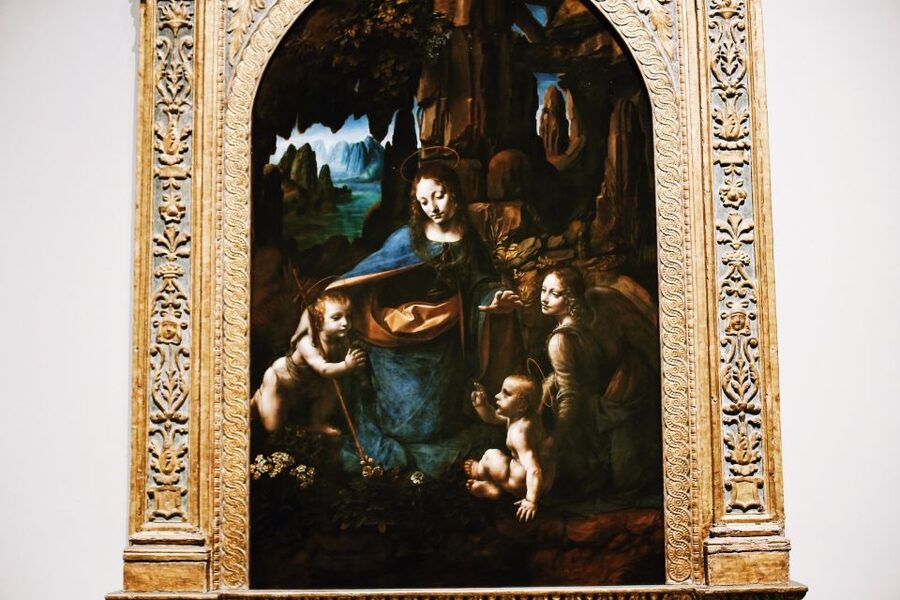
Yes—if you want a high-impact way to understand the National Gallery in a short visit. This tour gives you an art-historical storyline that connects major works like Botticelli, Da Vinci, Vermeer, Velázquez, Van Gogh, and Seurat, plus guided context around other big names such as Monet and Rembrandt. With live English commentary and a small-group feel, it’s built for real attention, not just photo stops.
Skip it only if you’d rather wander freely with zero structure, or if you know you won’t be able to handle indoor crowds for spoken commentary. In that case, a self-guided plan with your own reading pace might fit better.
If you do book, do two things: wear comfortable shoes and plan for audio clarity in busy rooms. That’s how you’ll get the most from every stop.
FAQ
How long is the National Gallery Masterpieces guided tour?
It runs for about 2.5 hours.
How much does the tour cost?
The price is $112 per person.
Is this tour private or shared?
It’s offered as either a private option or a small group option.
How large are the small groups?
Small groups are capped at a maximum of 8 people.
What language is the live guide?
Live tour commentary is provided in English.
What kind of art period coverage should I expect?
The tour covers paintings from the 1300s onward and moves through changing styles up to early 20th-century works.
Are temporary exhibits included?
Temporary exhibits are not included.
What should I bring to the tour?
Bring a passport or ID card.
Are bags and luggage allowed?
Luggage or large bags are not allowed.
Is the tour wheelchair-friendly?
It’s listed as not suitable for wheelchair users, but wheelchair-friendly tours may be available upon request only, so you should ask in advance.