
REVIEW · LISBON
Lisbon: MAAT Gallery and MAAT Central Entry Tickets
Book on GetYourGuide →Operated by MAAT · Bookable on GetYourGuide
Electricity meets modern art in Belém. At MAAT Central, you watch a 1908 thermal plant turn coal into power, and at MAAT Gallery the waterfront buildings and river-walk garden make art feel physical.
One catch: the site is spread across connected zones, so wayfinding can feel a bit loose at times. Plan extra time to ask staff for the best route and you’ll have a smoother visit.
In This Review
- Key things you’ll notice at MAAT
- Belém’s unusual museum split: power station, gallery, and riverside garden
- MAAT Central: the Electricity Factory and the coal-to-power story
- MAAT Gallery: rotating contemporary art inside unconventional architecture
- MAAT Garden: the river walk that turns a ticket into a day
- A smart way to pace your 1-day ticket
- Timing tip for better focus
- Price and value: what $17 really buys you
- Tickets, exchange line, and the on-site setup
- Rules that affect your visit (and how to work around them)
- Guided tours you can use on the spot
- Where some visitors get stuck: layout, construction, and interpretation
- Who this MAAT ticket suits best
- Should you book MAAT Central and MAAT Gallery tickets?
- FAQ
- What does the MAAT Central and MAAT Gallery entry ticket include?
- How long is the ticket valid?
- Where do I exchange my voucher for the physical ticket?
- Are there guided tours included?
- Is MAAT wheelchair accessible?
- Are food, drinks, and large bags allowed inside?
Key things you’ll notice at MAAT
- Coal-to-electricity history inside MAAT Central, in the Electricity Factory setting
- Unusual architecture at MAAT Gallery, designed to work like part of the exhibit
- MAAT Garden along the Tagus River, with outdoor sculptures and river views
- Temporary exhibitions you’ll want to time your visit for, including shows like William Klein, Joana Vasconcelos, and Drums
- Light-based installations and big sculptural rooms, where walking and viewing angles matter
- Practical museum rules that shape your day: no food/drinks, no large bags, and no flash photography
Belém’s unusual museum split: power station, gallery, and riverside garden
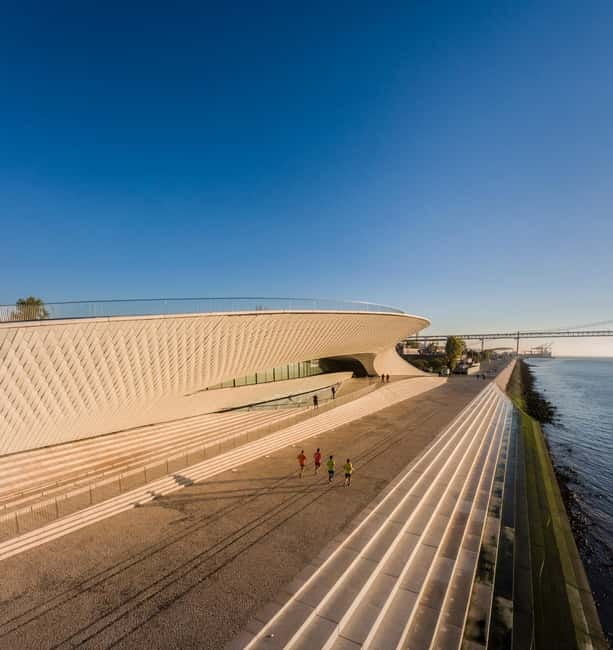
MAAT (Museum of Art, Architecture, and Technology) is one of those Lisbon places where “museum” means more than white walls. You’re visiting a site with three personalities: MAAT Central (the former power station), MAAT Gallery (the contemporary exhibition building), and MAAT Garden (the outdoor connection along the Tagus River). The ticket covers both indoor areas, and the garden is part of what makes the whole complex feel like one day’s experience instead of two separate chores.
The big idea here is pretty simple: you can move from the practical world of energy to the expressive world of contemporary art without leaving the same riverside neighborhood. That’s why this visit works for both art people and tech/history-curious visitors.
A few more Lisbon tours and experiences worth a look

MAAT Central: the Electricity Factory and the coal-to-power story
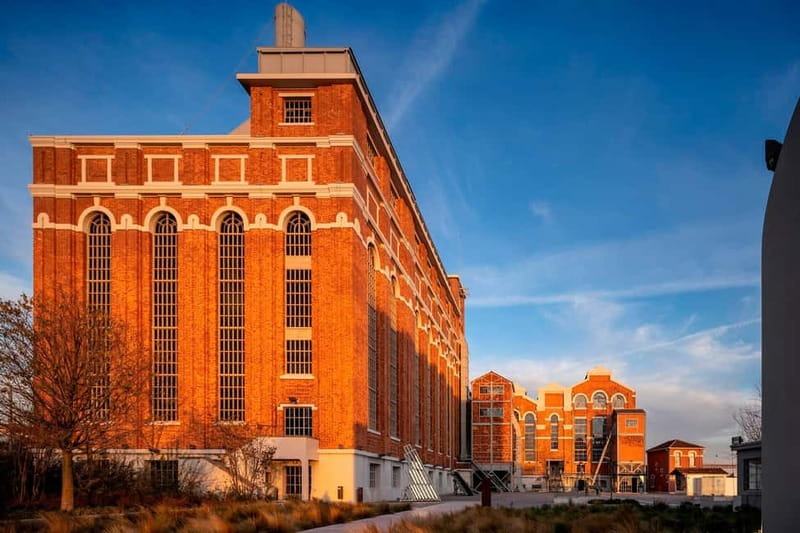
At MAAT Central, your attention shifts from style to systems. This is the historic thermal power station area, built in 1908, and the permanent experience is built around the history and process of electricity.
Here’s what makes it feel worthwhile: it’s not just a timeline behind glass. The museum uses the space itself—industrial rooms and the idea of power production—to help you understand how electricity used to be made. If you’re the type who likes to see how things work, you’ll probably enjoy lingering.
Also, the Central area fits well as your “anchor” stop. Even if your temporary exhibitions at the Gallery change, the Electricity Factory concept is the constant that gives the ticket a clear reason to exist.
MAAT Gallery: rotating contemporary art inside unconventional architecture
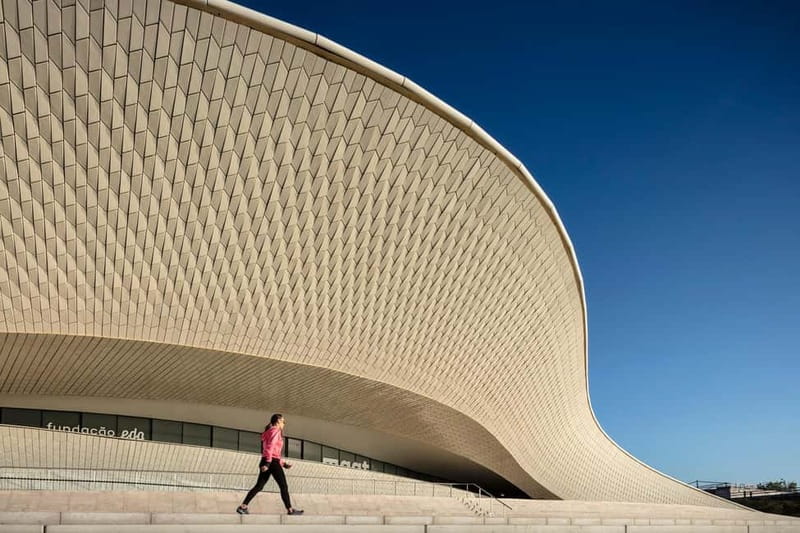
Then you shift gears to MAAT Gallery, where contemporary exhibitions are the point. The building’s design is unusual on purpose. It doesn’t feel like a neutral box. It feels like the museum is part of the artwork, with angles, light effects, and open-plan rooms that can change how you read the shows.
This matters because MAAT isn’t a museum where every room looks exactly like the last. One moment you might be staring at photography or installations. Another moment you might face a larger sculptural statement that’s meant to be seen from multiple angles.
There are also some exhibition types you can expect to encounter based on what runs there:
- Contemporary art shows, including named exhibitions like William Klein and Joana Vasconcelos
- The kind of playful, experimental presentation that includes things like Drums (yes, literally drums as an exhibition theme)
- Light-based works using fluorescent tubes and installations involving sound or changes in perception as you move around
If you’re not sure whether you’ll “get it,” don’t stress. Some works are more about your patience and your viewing position than about instant clarity.
MAAT Garden: the river walk that turns a ticket into a day
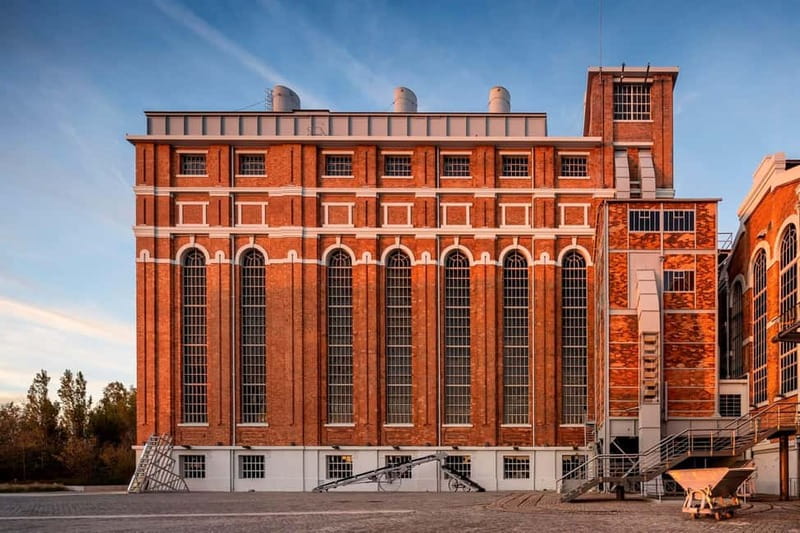
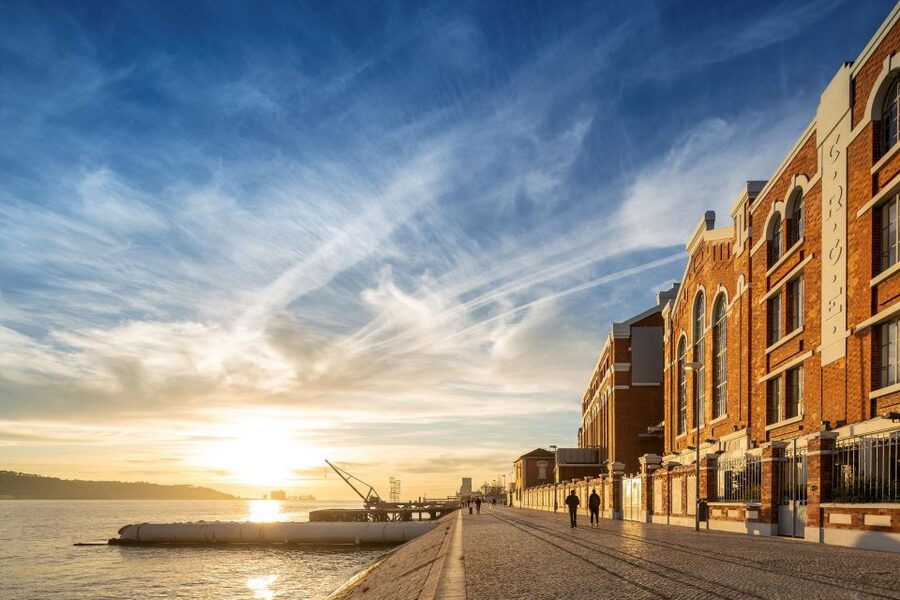
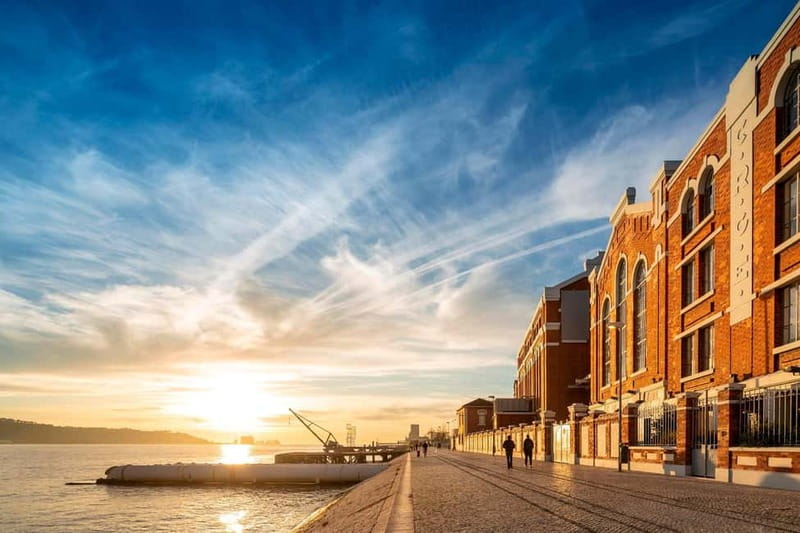
The garden is where the whole complex stops feeling like a checklist. MAAT Garden runs along the Tagus River and connects the two major buildings, and it’s also where you’ll find outdoor sculptures.
This outdoor section is a smart use of time for three reasons:
- You get a breather between indoor spaces.
- The river setting gives context to Lisbon’s Belém waterfront.
- Outdoor sculpture spaces make it easier to reset your eyes after rooms filled with art details.
If you want a museum day that still feels like Lisbon, this is where it happens. Even if the weather isn’t perfect, the river air and open sightlines help.
A smart way to pace your 1-day ticket
You’ve got a full-day ticket, and there are starting times to check based on availability. The site is walkable, but it’s not “everything is right next door.” So pacing is your friend.
Here’s the order I’d use if you want the best flow:
- Start at MAAT Central to get the story straight (coal-to-electricity makes a great mental warm-up).
- Move to MAAT Gallery for the contemporary part while you still have energy for more abstract thinking.
- Finish with MAAT Garden and outdoor pieces while the day feels less structured.
Why this order works: Central gives you a grounded, thematic backbone. Then Gallery feels like the artistic counterpart. Ending outdoors lets you decompress and see the complex from different angles.
You can also read our reviews of more museum experiences in Lisbon



Timing tip for better focus
If you’re there for specific exhibitions, treat them like your anchor. The Gallery can show multiple rooms and themes, and some works are meant to be revisited from different viewpoints. Build in time to slow down.
Price and value: what $17 really buys you
At about $17 per person, this ticket is a good value if you like more than one kind of museum experience in a single visit. For your money, you get access to both MAAT Gallery and MAAT Central, plus permanent content in the Central area and outdoor spaces via the garden.
Where the value really shows up is in the variety:
- A historic power station setting with a defined permanent “Electricity Factory” experience
- Contemporary exhibitions in a distinctive architecture setting
- Outdoor sculpture and riverside garden areas that stretch the day without extra ticket cost
If you usually pay separately for art plus architecture plus a separate history stop, this ticket can feel like a shortcut. If you only want one narrow type of museum content, you might feel it’s more than you need—but for curious visitors, it’s a solid deal.
Tickets, exchange line, and the on-site setup
Your voucher gets exchanged for a physical ticket at the ticket office, and you’re entitled to skip ahead in the ticket office line once you’re there. That’s a small but real time-saver in Belém, where crowds can be annoying during peak hours.
Also plan for a few practical on-site realities:
- There’s cafeteria and ATMs on site at MAAT Gallery, and a gift shop at MAAT Gallery and MAAT Central.
- You can use bicycle parking.
- Lockers cost extra and use a 1 EUR coin (lockers aren’t included in the ticket price).
None of this is complicated. It just helps to arrive with the expectation that you might need a coin or a small plan for bags.
Rules that affect your visit (and how to work around them)
MAAT is a museum with normal boundaries, and the rules shape how you pack.
Not allowed:
- Food and drinks
- Smoking
- Luggage or large bags
- Pets (assistance dogs allowed)
- Unaccompanied minors
Also, touching is restricted unless a work is explicitly marked safe to interact with. Flash photography is also not allowed, and you should follow directions from security staff or guides.
What I’d do in practice:
- Travel with a compact day bag and avoid bulky luggage.
- If you’re bringing a small bag, check the locker setup in advance so you’re not scrambling at the entrance.
- If you want photos, plan for no flash and respect the safety areas.
Guided tours you can use on the spot
One of the smart “value add” features is that there are free guided tours available on site. You don’t need to pre-buy a separate tour to get context.
Even if you’re comfortable wandering, I’d still consider joining a guided tour. These spaces can be concept-heavy. A guide can help you connect what you see in Central (energy systems and history) with what you see in Gallery (contemporary art and design thinking). That connection is the whole point of MAAT.
Where some visitors get stuck: layout, construction, and interpretation
This is where you should be realistic before you go. The complex is connected, but it’s still multiple buildings and multiple types of rooms. If you like a very linear museum route, you might find the walking flow less obvious. Asking staff for the next best section can save time and frustration.
Also, at times there may be ongoing works in the Gallery area that limit which rooms are open. If you’re going specifically for one show, it’s worth setting expectations that access could vary depending on current conditions.
Finally, some installations can feel abstract or oddly shaped at first glance. If a big statement piece doesn’t click immediately, try different viewing angles and give it a little time. The experience can change when you walk around and watch how the light or sound behaves.
Who this MAAT ticket suits best
MAAT is a good fit when you want at least two of these interests:
- Contemporary art
- Architecture that’s part of the experience (not just a backdrop)
- Technology and science themes, especially electricity
- Outdoor sculpture and a riverside setting
It can also work for families with kids who like hands-on curiosity, as long as children are with adults—unaccompanied minors aren’t permitted.
If you’re older and prefer fewer long flights of stairs, you’ll likely appreciate that the museum is adapted for reduced mobility, with lift and ramp access to upper floors.
Should you book MAAT Central and MAAT Gallery tickets?
Book it if you want a single Lisbon day that mixes art, design, and real-world technology in the same place. At $17, the value holds up because you’re not just paying for exhibitions—you’re paying for a power station setting, a contemporary gallery, and a riverside garden connection.
Skip or rethink booking only if you know you want one narrow type of museum content (like only classic art, or only history) and you won’t enjoy the other half. MAAT is built as a pair, not a one-room stop.
If you do book, plan for a relaxed pace: start with MAAT Central, spend real time with the Gallery rooms, and don’t rush the garden walk along the Tagus.
FAQ
What does the MAAT Central and MAAT Gallery entry ticket include?
Your ticket includes admission to both MAAT Gallery and MAAT Central.
How long is the ticket valid?
The ticket is valid for 1 day. You’ll need to check availability to see the starting times.
Where do I exchange my voucher for the physical ticket?
Go to the ticket office and exchange your voucher for a physical ticket. You can skip ahead in the ticket office line.
Are there guided tours included?
Yes. Free guided tours are available on site.
Is MAAT wheelchair accessible?
Yes. The museum is wheelchair accessible, with lift and ramp access to upper floors. Wheelchairs can be requested at the ticket offices.
Are food, drinks, and large bags allowed inside?
No. Food and drinks aren’t allowed, and luggage or large bags aren’t allowed either. Lockers cost extra and require a 1 EUR coin.