REVIEW · NAIROBI
Nairobi: Kibera Street Art Tour with Local Artists
Book on GetYourGuide →Operated by Sun Valley Art Collective · Bookable on GetYourGuide
Street art here comes with real voices. On this Kibera street art tour, I love meeting young artists who grew up in the neighborhood and hearing the stories behind the murals. You also get a practical look at how creative groups connect to education and other community needs. One thing to consider: you’re walking through daily life, so photos aren’t always casual, and you’ll need to be extra respectful.
You’ll meet outside Gateway Supermarket on Kibera Station Road, then do a 2.5-hour walk with stops for murals, collectives, and a studio visit where the artists explain why they make art. The tour ends around Olympic stage, with an easy path to an Uber/taxi or a matatu after you’ve talked, eaten, and browsed art you can purchase directly.
In This Review
- Key Things I’d Pay Attention To
- Why Kibera Street Art Feels Different When You Meet the Artists
- Meeting at Gateway Supermarket and Timing Your Walk
- Mural Stops and Collective Visits Inside Kibera
- The Studio Visit and How Art Becomes a Community Project
- That Extra 30-Minute Stop: Where the Tour Slows Down
- Street Food Samples Along the Way (How to Make It Worth Your While)
- Buying Art Directly: Turning Appreciation Into Support
- Price and Value: Is $45 a Fair Deal for 2.5 Hours?
- Who This Kibera Street Art Tour Is Best For
- Should You Book This Kibera Street Art Tour?
- FAQ
- Where is the meeting point?
- How long is the Kibera street art walking tour?
- Do I get street food on this tour?
- What languages are the guides?
- Is it wheelchair accessible?
- Can I buy artworks during the tour?
Key Things I’d Pay Attention To

- Meet Sun Valley artists first-hand, not from a distance or through a “tourist filter”
- Learn the meaning of murals and how art connects to education, healthcare, sports, and creativity programs
- See art-making up close at studios and collectives (including a stop that can feel like a smaller side-track)
- Try local street food samples along the way, when offered on request
- Buy artwork directly from local artists as part of supporting the work
- Plan for a walking route through an active neighborhood where photo etiquette matters
Why Kibera Street Art Feels Different When You Meet the Artists
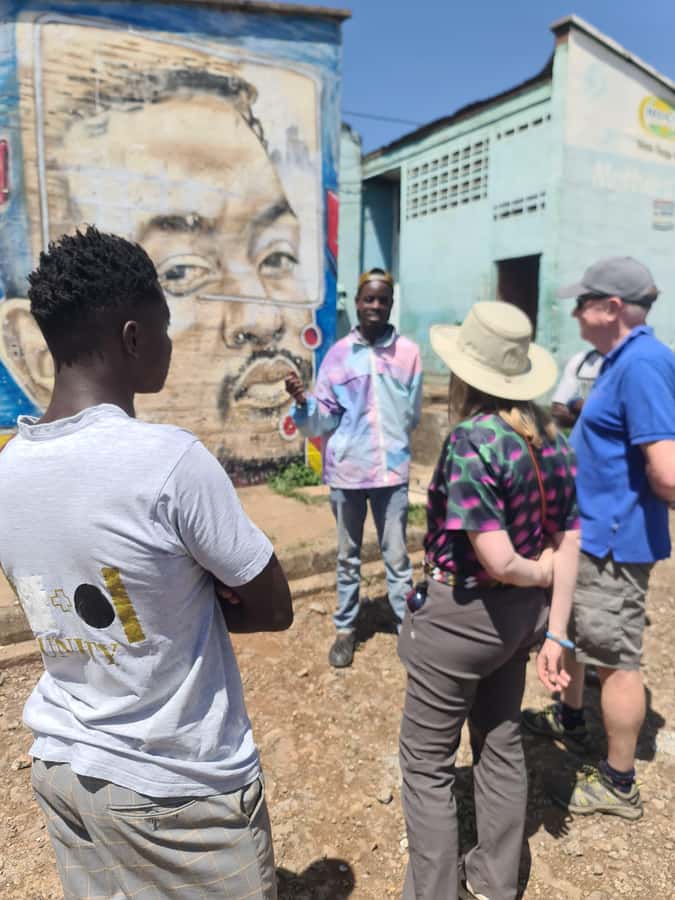
If you’ve ever seen Kibera through stereotypes, this tour is designed to correct that quickly. The murals aren’t just decoration. They’re messages built by people who live there—artists who grew up in Kibera and now use public walls and studio spaces to tell their own stories.
I especially like how the tour frames the art as community work, not just clever design. You’ll hear explanations about the murals and how they’re made, but you’ll also get the bigger picture: art as a tool for connection, learning, and momentum for young people. In this setup, “street art” isn’t a trendy label. It’s a local language.
On the guidance side, you may meet artists such as Saviour and Tony (and other names pop up like Anton/Anthony depending on the group). What matters is the role they take on while guiding you: they’re not just showing you walls—they’re acting like ambassadors for how Kibera organizes itself and how creativity fits into daily life.
Meeting at Gateway Supermarket and Timing Your Walk

The starting point is clear: outside Gateway Supermarket on Kibera Station Road. There’s no parking, so plan to arrive by Uber or taxi. Once you’re met, you’ll head into Kibera together on a guided walking route.
The timing is also practical. You’re looking at about 150 minutes total—long enough to see multiple mural stops, hear stories, and get to a studio visit, but not so long that you can’t manage the day around it. Because the tour is structured around conversation (not just photo stops), it’s the kind of experience where arriving a little early helps. If you’re sweaty and rushed, you’ll miss details.
Group size is kept intentionally small: one guide for every two guests. That ratio matters. It means questions don’t get lost, and you can actually follow what the artists are saying about specific pieces.
Mural Stops and Collective Visits Inside Kibera
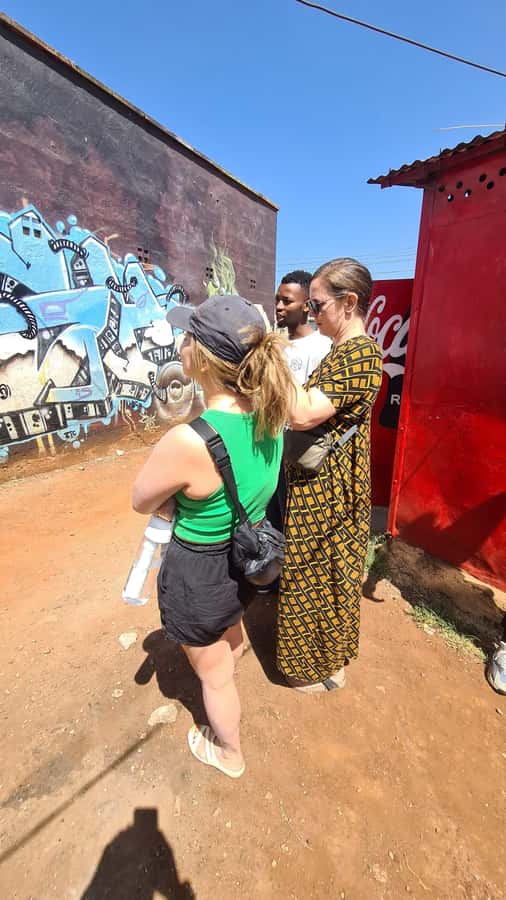
The core of the tour is walking from one piece to the next—education murals, urban art, and collaborative projects spread through the settlement. You’ll see the art in context, which changes how you read it. Up close, you can’t pretend it’s “just street art.” It’s people making meaning in the open.
What you’ll likely notice:
- Many works are tied to real community life rather than outside ideas.
- Explanations often come with stories about why a particular mural matters to the artists and to their neighborhood.
- You’ll be encouraged to understand the art as collaborative, especially where collectives are involved.
The tour also includes visits to art collectives and artist spaces. In the Sun Valley Art setup (an art collective made up of around 15 local artists), you’re not only learning about murals—you’re learning about how a creative group is organized, how they share resources, and what they’re trying to do for the next generation.
A practical note: you’ll pass people going about their daily routines. The guide will tell you when it’s appropriate to take photos. That’s not just etiquette—it’s how you avoid turning your curiosity into someone else’s inconvenience. Think of it like this: you’re a visitor walking through someone’s home neighborhood, even though the goal is art.
The Studio Visit and How Art Becomes a Community Project
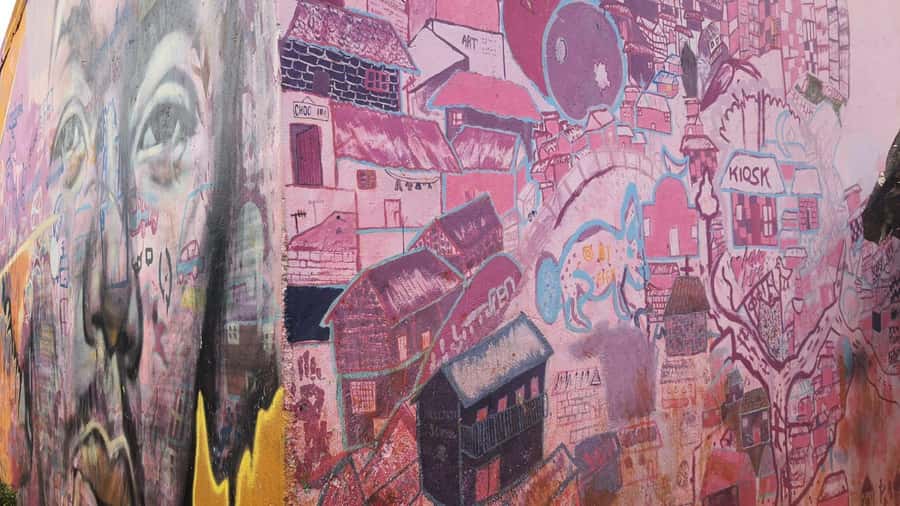
One of the most meaningful parts is the studio time. You’ll get the chance to visit the artists’ studio and hear their stories of life-long love affairs with art—plus how they channel that passion into efforts that aim to improve community life.
This is where the tour often feels more grounded. Outside, the murals do the talking. Inside, the artists can explain the process and the “why.” You may also get an expanded look at how they work as a collective—how projects start, how they collaborate, and how they support each other.
In the stories shared on the walk, you’ll hear about how the group connects creativity to broader support systems. The tour description points to education, healthcare, sports groups, and creativity programs as part of the broader picture. In other words, you’re not only seeing art output—you’re seeing art as a piece of a larger community engine.
That Extra 30-Minute Stop: Where the Tour Slows Down

There’s a dedicated 30-minute stop labeled as a hidden gem in the plan. Since it’s part of the tour route, it tends to feel like a deliberate pause—more than a quick glance, less than a full second tour.
In practice, this is often the kind of stop that gives you a deeper texture of the neighborhood’s art scene. Depending on the day, it can include another artist-led moment or a gallery-type experience where multiple art forms are shown together. On some outings, that might mean seeing something more craft-driven or mixed-media than the typical mural glance.
A good way to approach this stop: treat it like a conversation, not a sightseeing segment. Ask what they’re showing and why it fits the tour’s theme of art as local expression. If you’re respectful, you’ll usually get straightforward answers.
Street Food Samples Along the Way (How to Make It Worth Your While)
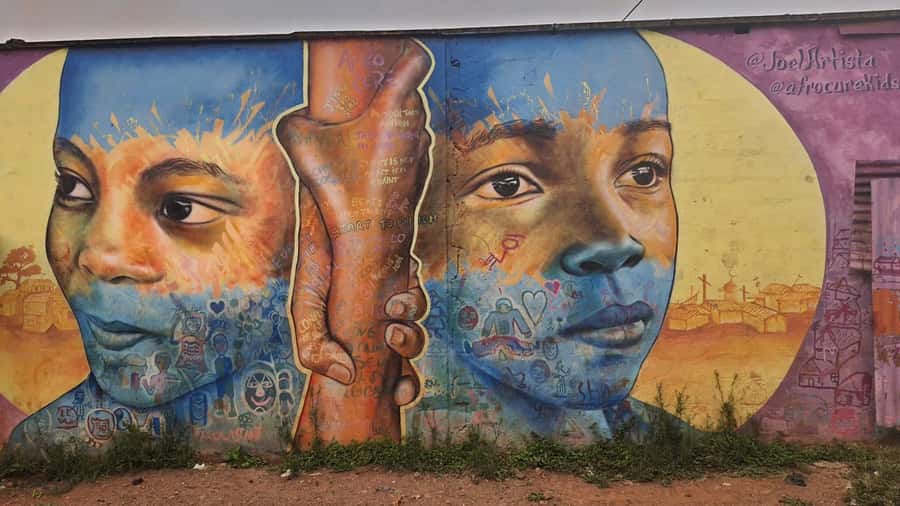
Yes, you can try local street food on this tour. It’s described as street food samples, on request, and it’s built into the walking route between art stops.
For you, the best move is simple: come hungry-ish, but not so hungry that you rush. Snack pacing matters when you’re walking, listening, and trying to take in details. Also, tell the guide any dietary limits when you start, so they can steer you toward options that match what’s available.
This part of the experience is more than calories. It’s another way the tour shows Kibera as everyday life, not just a gallery space. You’ll eat like a visitor who’s been taught the basics—small bites, local flavors, and a bit of pause while the art continues in the background.
If you like photography, you’ll still want to follow the guide’s cues. Food scenes can be sensitive, and you’ll get better moments by asking first rather than assuming.
Buying Art Directly: Turning Appreciation Into Support
At multiple points (with chances along the route), you’ll have opportunities to purchase artwork directly from local artists. Art sales are not automatically included in the price, but the tour is designed to make purchasing straightforward.
I like this setup because it changes your role from “observer” to “supporter.” If you buy a piece, you’re backing the artists and their collective’s ability to keep working. And because the tour is guided by people tied to the art scene, you can ask questions about materials, meaning, or process before you decide.
A few items you might come across, depending on the studio/gallery displays that day:
- Paintings and objects made from recycled metal
- Mixed pieces made from recycled materials
- In some cases, different media like blown glass made from recycled glass
- Even introductions to artists working in other creative directions, such as metal-welder art shaped into animal forms
You don’t have to buy something to enjoy the tour. But if you do want a souvenir that actually has a story attached, this is one of the best places to get it—because the art is being explained by the people who made it.
Price and Value: Is $45 a Fair Deal for 2.5 Hours?
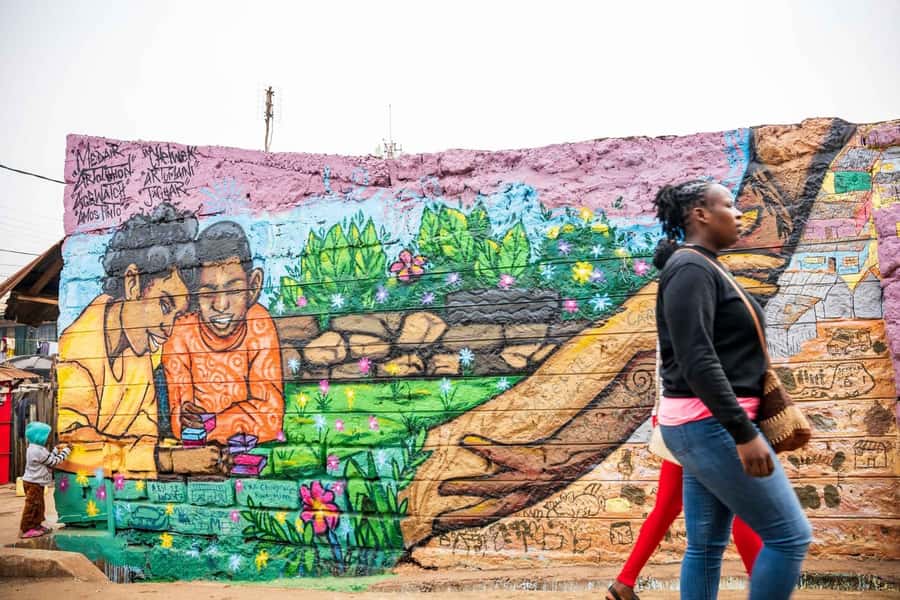
At $45 per person for about 150 minutes, the price isn’t “cheap,” but it can be good value if you care about two things: learning from insiders and supporting local artists.
Here’s why it can feel worth it:
- You get a small-group format with one guide for every two guests, which keeps the experience interactive.
- You’re not just walking past murals—you’re also visiting collectives/studio spaces and hearing explanations.
- You have built-in opportunities for street food samples (on request).
- The tour is designed around direct connections with artists, including chances to buy work along the way.
Where value might not match your expectations:
- If you mainly want photos with minimal conversation, you may find the experience takes longer than a quick “mural walk.”
- If you don’t eat snacks or don’t plan to buy any art, you’ll get the learning value, but the “support” part becomes more one-sided.
Think of it like this: you’re paying for context and access. If that matters to you, the cost usually makes sense.
Who This Kibera Street Art Tour Is Best For
This tour is a strong fit if you want:
- Real explanations of murals from artists who live in Kibera
- A walking route that connects art to daily community life
- A chance to buy art directly, with context instead of guesswork
- A small-group guide experience with time for questions
It’s less ideal if:
- You have mobility challenges, since it involves walking through the settlement and isn’t set up for wheelchair users
- You need long stretches of seating or minimal walking
- You’re uncomfortable with being in a live neighborhood where you must follow photo cues and maintain respectful behavior
Bring a mindset of curiosity plus manners. That mix is what makes the stories land.
Should You Book This Kibera Street Art Tour?
I’d book it if you want Kibera through the eyes of local artists, not through outside stereotypes. The tour’s biggest strength is the human one: guides like Saviour and Tony (plus others) talk about what the art means and how it fits into real community organization. Add studio time, street food stops, and chances to purchase work directly, and it becomes more than a photo outing.
Skip it if you’re looking for a highly polished, low-contact “viewing experience.” This is a respectful neighborhood walk, and that’s the point.
If you’re ready to slow down, listen closely, and treat your guide as a teacher (not just a person holding a leash of directions), you’ll likely leave with a souvenir that feels personal and an understanding that sticks.
FAQ
Where is the meeting point?
You meet outside Gateway Supermarket on Kibera Station Road.
How long is the Kibera street art walking tour?
The tour lasts about 150 minutes (2 to 3 hours).
Do I get street food on this tour?
Street food samples are included on request. You should ask when you’re with the guide.
What languages are the guides?
The live tour guide offers English and Swahili.
Is it wheelchair accessible?
No. It is not suitable for people with mobility impairments or wheelchair users.
Can I buy artworks during the tour?
Yes. You’ll have opportunities to purchase local art directly from artists, but the artworks themselves are not included in the tour price.