REVIEW · ROME
Rome: Borghese Gallery Guided Small Group Tour
Book on GetYourGuide →Operated by LivTours - We craft tours, you live them · Bookable on GetYourGuide
Art hits different at sunset. This 2-hour Borghese Gallery visit is timed for the golden hour, when the villa feels calmer and the marble sculptures glow. I especially love the sunset atmosphere and the small group size (max 6), which makes it easier to ask questions and actually hear the story behind what you’re seeing.
I also like that the tour focuses on big names and big moments, from Bernini to Caravaggio to Raphael, without turning your brain into museum noise. One thing to consider: tickets are limited and reservations are mandatory, so you’ll want to lock your time slot early rather than hoping for a last-minute change.
In This Review
- Key things to love about this Borghese Gallery tour
- Why the Borghese Gallery works so well at golden hour
- The small group experience (max 6) and what that changes
- What you’ll see inside: Caravaggio, Bernini, Raphael, and Rubens
- Bernini: drama in marble
- Caravaggio: the moment before action
- Raphael: a quieter kind of intensity
- Titian and Rubens, plus the full collection vibe
- Stop-by-stop: what happens from meet-up to return
- Meeting outside the main entrance
- Inside the galleries: guided time well spent
- Back at the meeting point
- The villa itself: why the setting makes the art feel personal
- How the 17:00 timing changes what you notice
- Villa Borghese Gardens: your good add-on after the tour
- A note on Rome’s Jewish Quarter context
- Price and value: is $168.79 worth it?
- Who this tour suits best (and who might want a different approach)
- Should you book the Rome Borghese Gallery guided small group tour?
- FAQ
- How long is the Borghese Gallery guided small group tour?
- What’s the group size limit?
- What language is the tour guide?
- Where do I meet the guide?
- Is the entry ticket included?
- Do I skip the ticket line?
- What are some of the featured artworks during the tour?
- What time do tours enter, and how does it affect the experience?
- Is free cancellation available?
Key things to love about this Borghese Gallery tour
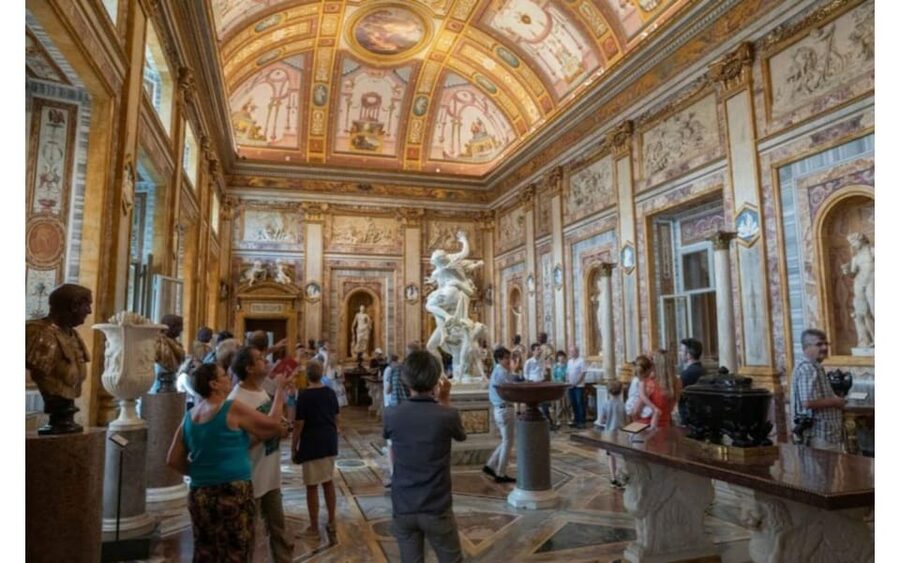
- 17:00 sunset entry after the busiest daytime rush
- Small group of up to 6 people for a more personal pace
- Skip the ticket line so your time goes to art, not paperwork
- Passionate English guide tying paintings and sculptures to the artists’ stories
- Must-see works like Bernini’s Apollo and Daphne and Caravaggio’s David with Goliath’s Head
- Extra context that connects the experience to Rome’s broader Jewish Quarter story
Why the Borghese Gallery works so well at golden hour
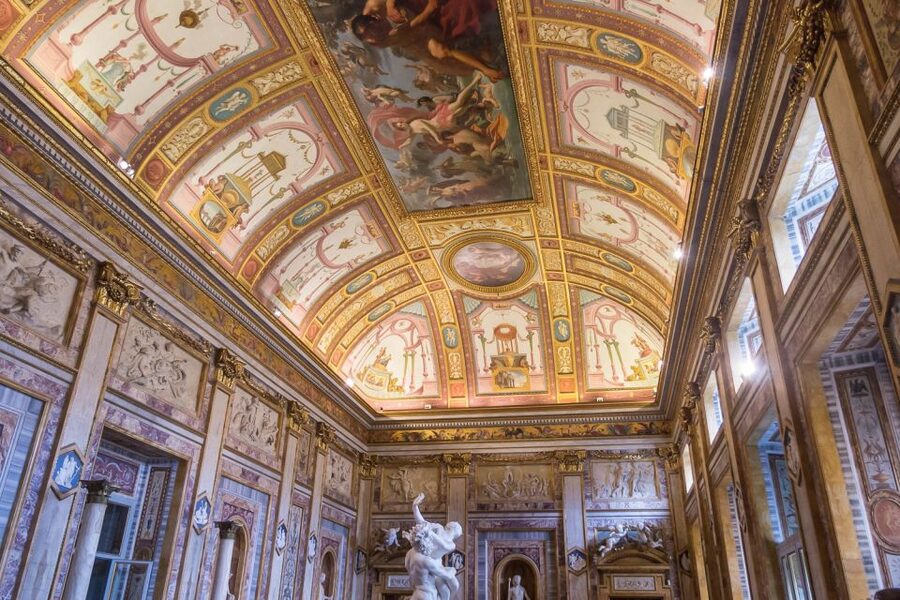
Most Rome museums feel busiest right when you arrive. This one flips the script. You enter at 17:00, after daytime crowds spread out, so you get a slower, more reflective feel—exactly when marble and warm lighting start to cooperate.
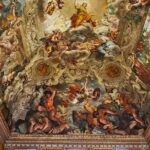
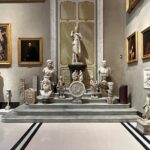
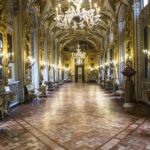
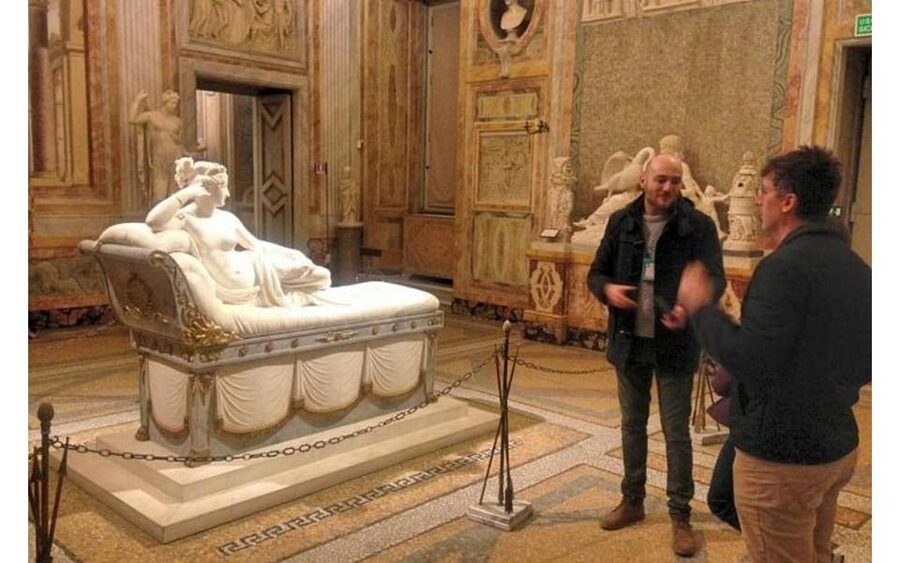
The Borghese Gallery isn’t just a roomful of famous paintings. It’s a purpose-built setting where sculpture and painting are treated like a narrative. When the light shifts, the hallways and decorative rooms feel more theatrical, and the tour stories land better because you can see the artworks with fewer distractions.
And with a small group, you’re not stuck waiting for everyone to shuffle past the same wall labels. You get time to pause, look closely, and listen.
You can also read our reviews of more guided tours in Rome

The small group experience (max 6) and what that changes
A lot of “small group” tours still feel crowded. Here, the limit is real: no more than 6 participants. That small size affects everything in a good way:
- You can hear your guide clearly without competing with other groups.
- If you want to linger on a sculpture, you have a better chance of doing it without the guide constantly rushing you.
- The guide can point out details (poses, expressions, gestures) without treating the tour like a race.
There’s another practical win: with a smaller group and skip-the-line entry, you spend less time managing logistics and more time inside the villa where the art actually is.
What you’ll see inside: Caravaggio, Bernini, Raphael, and Rubens
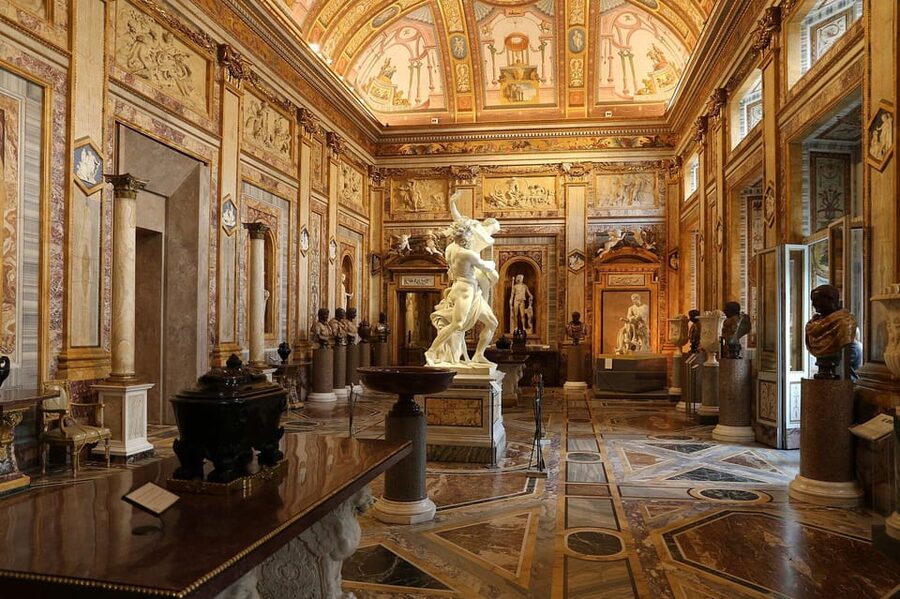
The Borghese collection is famous for good reason. In this 2-hour guided experience, you’ll focus on major highlights and the stories that explain why they mattered.
Bernini: drama in marble
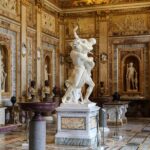
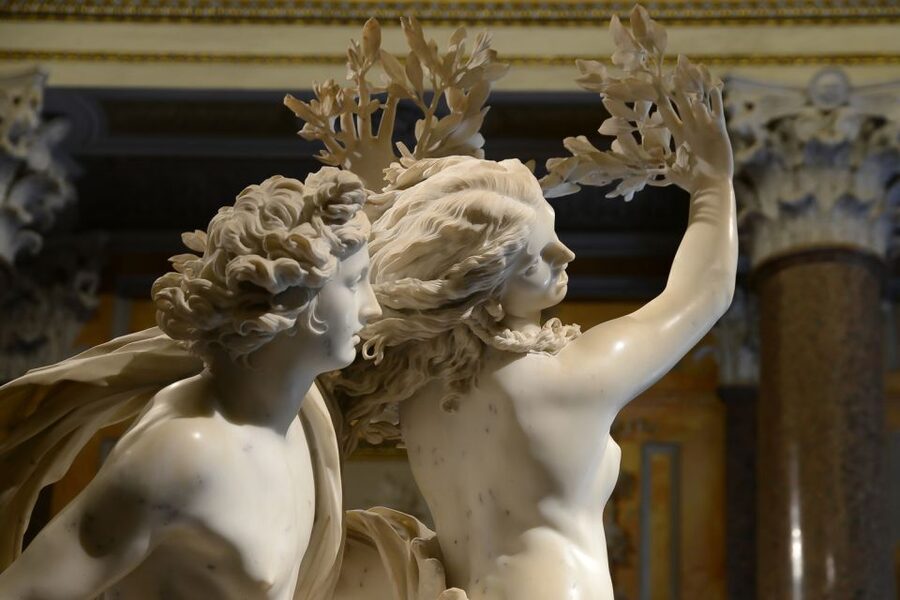
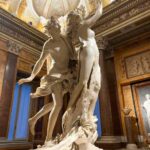
If you remember one sculpture from this tour, make it Bernini’s Apollo and Daphne. The subject is myth, but the impact is pure theater—energy, motion, transformation. Your guide’s job is to help you see what Bernini was doing with emotion and anatomy, not just what the subject is.
Caravaggio: the moment before action
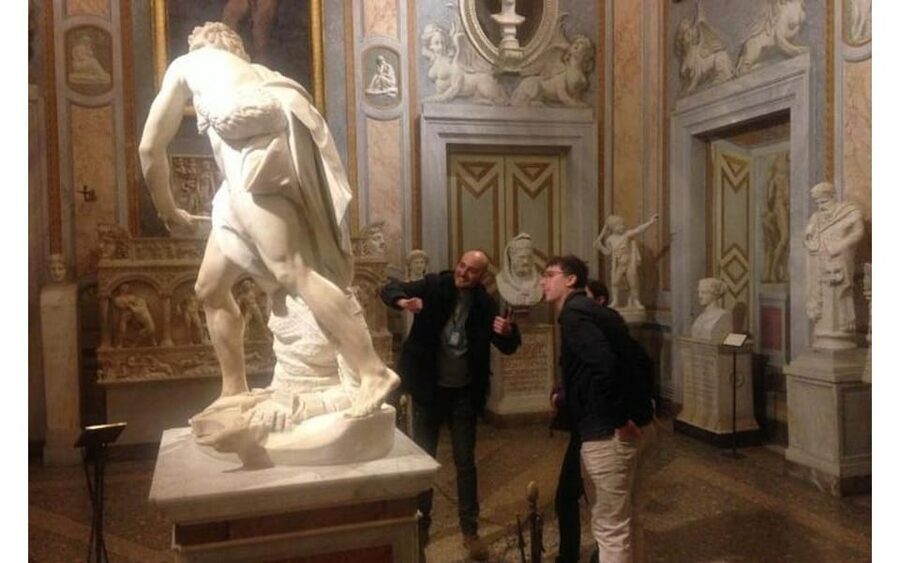
Caravaggio’s work tends to feel direct, almost confrontational. The stop on Caravaggio’s David with Goliath’s Head gives you more than a title. You’ll hear the story behind the moment captured—how Caravaggio uses expression and scale to make the scene feel immediate.
This is where a strong guide matters. With the right framing, you stop thinking of Caravaggio as only “dark” or “dramatic,” and start noticing the craft: how the figure is built, how the viewer is pulled in, and why the arrangement creates tension.
You can also read our reviews of more museum experiences in Rome

Raphael: a quieter kind of intensity
You’ll also encounter Raphael’s The Deposition. Raphael’s presence shifts the mood. Instead of raw shock, you get a composition that’s about balance, feeling, and human posture. Even in a short tour, it’s a nice reminder that Renaissance art isn’t just about skill—it’s about communicating emotion with structure.
Titian and Rubens, plus the full collection vibe
Beyond those headline names, the tour is described as covering a wider range that includes artists like Titian and Rubens. That matters because it helps you see Borghese isn’t a one-note museum. It’s a collection shaped by taste, politics, and personal ambition, housed in a villa that was meant to impress.
Stop-by-stop: what happens from meet-up to return
This tour is simple on paper: you meet, you go in, you come back out. But the flow is what makes the experience feel smooth.
Meeting outside the main entrance
You’ll meet your guide outside the main entrance of the Borghese Gallery. Your guide holds a LivItaly Tours sign. This is helpful because the entrance area can feel confusing when you’re arriving with the pressure of a timed slot.
My advice: arrive a few minutes early so you’re not negotiating crowds while trying to find the sign.
Inside the galleries: guided time well spent
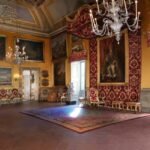
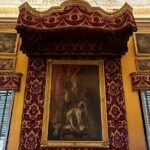
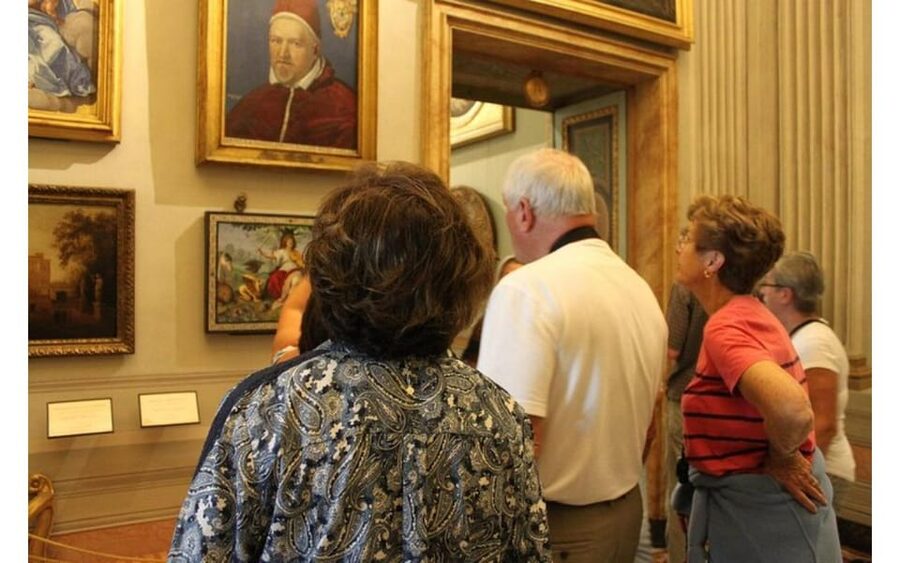
The guided portion is where the tour earns its price. You’ll wander the decorative rooms of the villa and learn how the collection fits together. The guide is there to connect artist choices to the scenes you’re seeing—so you’re not just reading labels and moving on.
Also, since the group stays small and the tour lasts 2 hours, the pace feels intentional. It’s enough time to get several key works in sight and to understand how the collection thinks, without dragging you through every corner at a sprint.
Back at the meeting point
The experience ends back at the meeting point. That’s a small detail, but it helps your planning. You won’t need a second transit step or a confusing “end somewhere else” finish.
The villa itself: why the setting makes the art feel personal
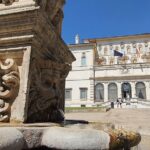
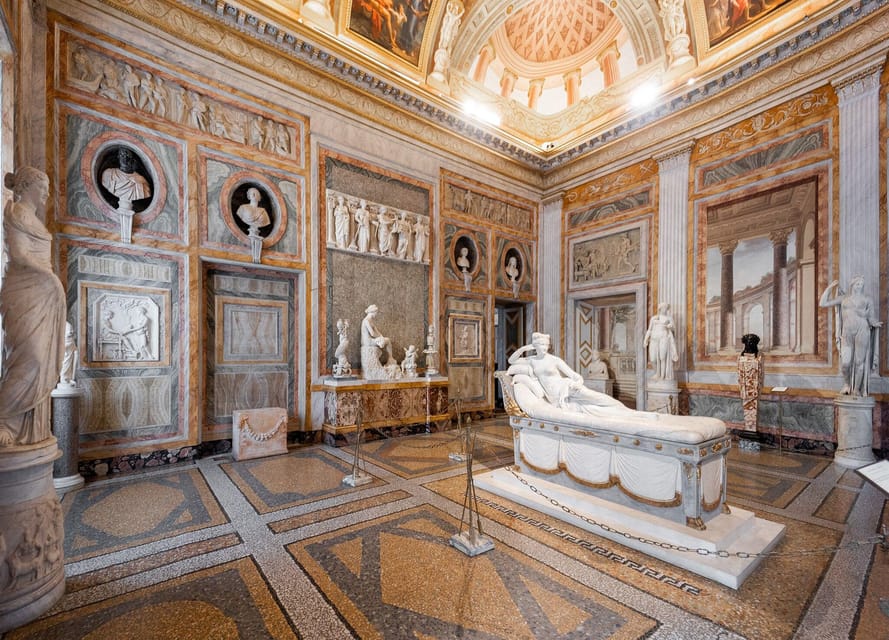
The Borghese Gallery is housed in the former Villa Borghese Pinciana, commissioned in the early 1600s by Cardinal Scipione Borghese, the nephew of Pope Paul V. At the time, the villa was on the outskirts of Rome, built to accommodate an extensive personal collection.
Later, it became a public museum in 1903. That timeline is more than trivia. It explains the vibe you’ll feel inside: the space still carries the personality of a collector’s vision, not just a neutral museum plan.
In other words, you’re not walking through a warehouse of masterpieces. You’re stepping into a villa that was made for display—rooms designed to frame sculpture and painting like curated storytelling.
How the 17:00 timing changes what you notice
The tour’s schedule isn’t random. Entering at 17:00 after daytime crowds dispersed gives you a different experience of both the art and the room.
Here’s what that means in practice:
- The lighting can flatter marble surfaces, which helps you see texture and movement better.
- The galleries feel less frantic, so you can focus on details your eyes might otherwise skip.
- Your guide can speak without constantly competing with a wall of overlapping group sound.
If you’re the type who enjoys looking slowly—pausing at gestures, expressions, and composition—this timing will feel like the tour was designed for you.
Villa Borghese Gardens: your good add-on after the tour
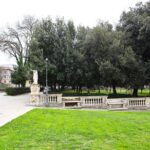
The best part about the Borghese Gallery is that it doesn’t force you to stop once you’re done. If you have energy after the tour, you can wander the Villa Borghese Gardens, described as Rome’s 3rd largest park.
You might also want to look out for:
- An unusual water clock
- The Alpini monument to Italy’s elite mountain army corp.
You won’t get a full garden tour in the 2 hours you’re booked for, but even a short post-tour stroll can help you decompress and see Rome from a softer angle.
Practical tip: keep an eye on the time. Gardens are relaxing, but they can eat up time fast if you’re enjoying the paths.
A note on Rome’s Jewish Quarter context
One of the listed highlights is the chance to discover Rome’s Jewish Quarter. In a tour like this, that usually means you’ll get context—historical framing and connections—rather than a full neighborhood walk.
Still, it’s a valuable inclusion. It helps you place the Borghese Gallery experience inside Rome as a whole, reminding you that the city isn’t just art and fountains. It’s a layered place where different communities shaped culture and history over centuries.
If you want to explore further on your own later, this kind of context can make your walk through the neighborhood feel more grounded.
Price and value: is $168.79 worth it?
At $168.79 per person for a 2-hour guided small-group experience, the question isn’t just whether you’re paying for art. You’re paying for three concrete upgrades:
- A guide who explains the art and the stories
This is the part most museum visits lack. Without that framing, you can end up scanning names and moving on. With a guide-led pace, you get meaning with your looking.
- Skip-the-ticket-line entry
In a timed museum, wasting 30–60 minutes outside is the easiest way to feel like the day didn’t respect your time.
- Small group of up to 6
Extra cost often comes from limiting capacity. Here, that limit helps you actually participate in the tour instead of watching it.
The main trade-off is that it’s not a long visit. If you want to study every artwork for long stretches, you may feel pressed. But if you want an efficient, high-impact intro to the Borghese highlights—plus smart context—this price can feel fair for what you gain.
Who this tour suits best (and who might want a different approach)
This experience fits you well if:
- You want major masterpieces with context, not a basic walkthrough.
- You like museum tours where the guide tells stories you can connect to what you see.
- You prefer a small group pace and don’t want to fight for attention.
It might feel less ideal if:
- You’re the kind of visitor who wants to sit in silence in one room for a long time.
- You have trouble sticking to a 2-hour schedule.
- You’re hoping for last-minute flexibility, since reservations are mandatory and tickets are limited.
Should you book the Rome Borghese Gallery guided small group tour?
I’d book it if your goal is to understand what you’re looking at, quickly, and do it in a calmer setting. The sunset timing, the small group cap, and the focus on standout works like Bernini, Caravaggio, and Raphael make it a strong use of time in Rome.
If you’re also planning to spend time in the Villa Borghese Gardens afterward, this tour pairs nicely with a slower evening. You get the best of both: concentrated art viewing first, then a chance to breathe in the park.
Just don’t treat it like a casual walk-up. With limited tickets, pick a time that fits your evening rhythm and commit.
FAQ
How long is the Borghese Gallery guided small group tour?
The tour lasts 2 hours.
What’s the group size limit?
The group is limited to no more than 6 people.
What language is the tour guide?
The live tour guide speaks English.
Where do I meet the guide?
Meet your guide outside the main entrance to the Borghese Gallery. The guide will be holding a LivItaly Tours sign.
Is the entry ticket included?
Yes. Entry ticket and a guide are included.
Do I skip the ticket line?
Yes, you’ll be able to skip the ticket line.
What are some of the featured artworks during the tour?
The tour highlights include Bernini’s Apollo and Daphne, Caravaggio’s David with Goliath’s Head, and Raphael’s The Deposition, along with other major artists such as Titian and Rubens.
What time do tours enter, and how does it affect the experience?
The tour is scheduled to start at 17:00, after daytime crowds have dispersed, which is ideal for seeing the galleries with evening light.
Is free cancellation available?
Yes. Free cancellation up to 24 hours in advance for a full refund is offered.