REVIEW · ST LOUIS
Saint Louis Art Museum Public Tour
Book on Viator →Operated by Driving Curiosity Tours · Bookable on Viator
Art can feel alive here. This Saint Louis Art Museum Public Tour mixes well-known masterpieces like Monet and Degas with quieter, less-frequented parts of the museum, led by Emily. It’s a smart way to go beyond the postcard view and start thinking about art, people, and power.
I really like the focus on both famous names and the more ignored corners. I also love the tone: you get fun themed games and plenty of laughter, but the conversation also lands on heavy topics like sexism, poverty, and racism. That balance makes the visit feel human, not like a lecture.
The main thing to consider is that this is an adults-only (21+) tour. If you need a stroller-friendly, kid-centered museum outing, this one won’t match your day.
In This Review
- Key things to know before you go
- Why this St. Louis Art Museum tour feels different
- Price and what you actually get for $25
- Meeting point and small-group basics that make it work
- Monet and Degas, plus the museum’s lesser-seen corners
- How the tour uses games and walking to keep your brain awake
- Sexism, poverty, and racism: art as a mirror
- Emily’s tour style: funny, comfortable, and pointed
- What the 2-hour format really means for your day
- Who should book this tour (and who might skip it)
- Should you book the Saint Louis Art Museum Public Tour?
- FAQ
- How long is the Saint Louis Art Museum Public Tour?
- How much does the tour cost?
- Is museum admission included?
- Where is the meeting point?
- How many people are in the group?
- Is this tour for adults only?
- Do I need a printed ticket?
- Are service animals allowed?
- What is the cancellation policy?
- What is the main focus of the tour?
Key things to know before you go
- Emily’s guided style blends light, irreverent humor with pointed, thoughtful messaging.
- Small group size (max 8) keeps the tour from feeling rushed or lost in a crowd.
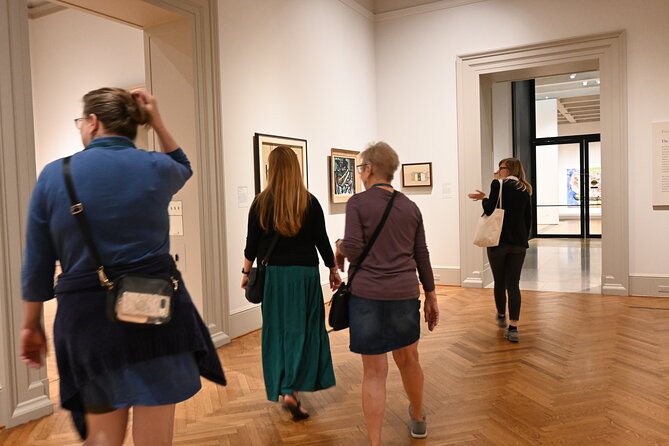
- Two-part museum experience: big highlights plus dustier, less-traveled areas.
- Games and lots of walking are part of how you learn and remember what you see.
- Big-name artists included at minimum: Monet and Degas.
- Adult-only atmosphere (21+) sets the tone for the themes covered.
Why this St. Louis Art Museum tour feels different
Most museum tours try to do one thing: admire the art. This one does that, but it also asks you to look at humans while you’re looking at art. That shift matters, because it turns a gallery walk into an active conversation.
You’re not just chasing the most famous canvases. You also get time in places that feel less on the “must-see” list. That mix is a great fit if you like the thrill of discovery and the comfort of structure.
The guide, Emily, sets the emotional range early. You can expect jokes, then moments that make you sit up and pay attention. That’s a rare combo, and it’s a big reason this tour gets strong marks for being genuinely engaging.
Price and what you actually get for $25
The tour price is $25.00 per person, for about 2 hours. Admission is handled as part of the experience, and museum admission is described as free for all, with you paying for the tour itself.
So you’re not paying museum-entry prices on top of the guide. In practical terms, you’re buying interpretation: a person who helps you connect the art on the walls to bigger ideas, not just a ticket to walk around.
Parking is not included, so plan for that if you’re driving. Also, if you tend to visit museums with a tight schedule, the 2-hour time window is helpful. It’s long enough to feel like you learned something, but not so long that you’re stuck in “museum fatigue” mode.
One more value point: it’s commonly booked around 38 days in advance. That’s a clue that smaller public tours can fill up, especially on popular days.
Meeting point and small-group basics that make it work

You’ll meet at Saint Louis Art Museum, 1 Fine Arts Dr, St. Louis, MO 63110. The tour ends back at the same spot, so you won’t need to figure out transit or a second pickup point mid-visit.
Group size is capped at 8 travelers, which is a big deal for a museum tour. With that many people, you’re less likely to get separated from the guide or spend long stretches waiting. It also makes questions easier, which tends to improve the quality of the stops you hit.
Because the tour uses a mobile ticket, bring your phone and make sure it’s charged. If your phone battery is shaky, bring a small portable charger. It’s one of those tiny logistics choices that can save stress later.
Finally, the tour is explicitly service-animal allowed and “most travelers can participate.” If you have mobility concerns, it’s still smart to plan for walking, since the experience is described as involving a lot of it.
Monet and Degas, plus the museum’s lesser-seen corners
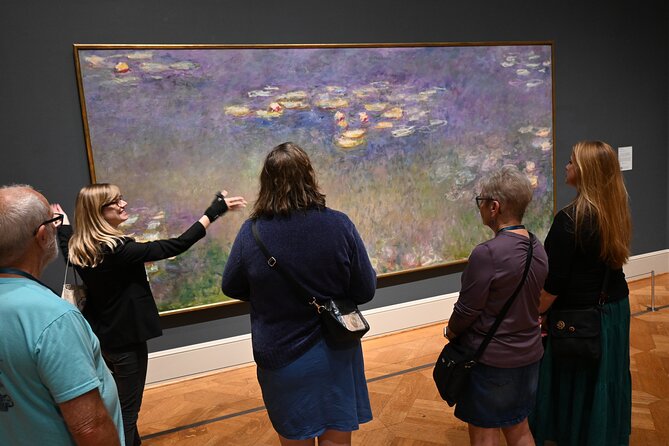
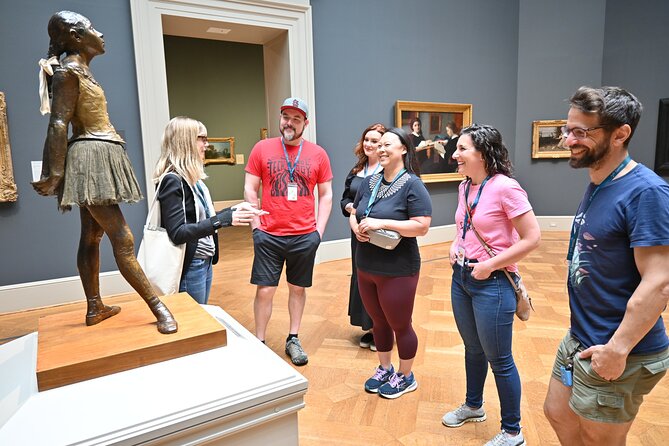
The highlights part of the tour is built around major names, including Monet and Degas. That’s the perfect anchor. If you’ve ever seen their work in books, posters, or online, you’ll likely recognize the feeling right away once you’re standing close enough to see details.
But the tour doesn’t stop there. It also takes you into the more overlooked corners of the museum. Those spaces can feel less intimidating than the biggest rooms, and that’s where you often get better conversations about technique, context, and meaning.
The way this is presented matters: you’re not just told to look at art. You’re prompted to compare what’s celebrated versus what’s ignored. Once you start thinking that way, the museum becomes a bigger story than a list of masterpieces.
How the tour uses games and walking to keep your brain awake
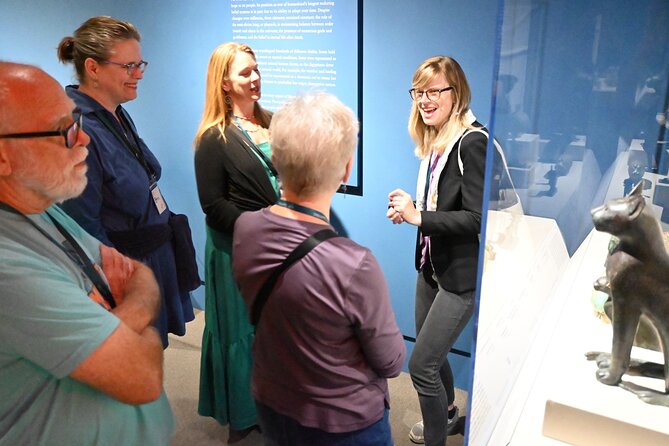
This isn’t a sit-and-listen tour. You’ll be walking a bunch, and the structure includes themed games. That might sound silly on paper, but it’s actually a practical learning tool.
Games force you to focus on specifics: details you might otherwise skim, patterns in style, or themes the guide wants you to catch. When you’re having fun while you’re paying attention, the art tends to stick in your memory.
Walking also changes how you experience a museum. Instead of seeing galleries as separate rooms, you start to feel how ideas move through a collection. That helps you connect stops instead of treating each artwork like an isolated “photo moment.”
If you’re planning your day around this, aim for comfortable shoes and a clear schedule. A museum tour that includes lots of walking is best when you don’t have to rush afterward.
Sexism, poverty, and racism: art as a mirror
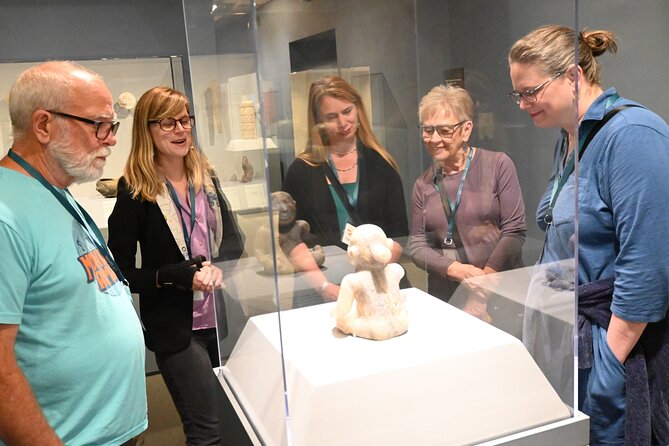
One of the most compelling parts is the promise that the tour addresses the darker edges of culture. The tour highlights include not just admiration, but also cultural lowlights such as sexism, poverty, and racism.
That doesn’t mean the tour is only heavy. The tone is described as funny at times, and the guide’s approach is meant to feel both honest and accessible. Emily’s style is noted for balancing humor with poignant messaging about humanity and culture.
For you, that balance means you’re not left with art criticism that feels cold or distant. You’re also not stuck with a lecture that ignores emotion. You get an interpretation that includes feelings, which is often the difference between forgetting what you saw and remembering it.
It’s also a smart way to visit if you’re tired of tours that treat museums like neutral spaces. Museums hold choices: what was collected, what was promoted, and what was left out. When the guide points that out, the visit becomes more thoughtful without turning joy off.
Emily’s tour style: funny, comfortable, and pointed
Emily is the named guide, and the feedback is consistent on her tone. People highlight a balance of lighthearted, irreverent humor with messaging that lands on real human issues.
That matters because museums can feel intimidating. If you’re unsure whether you’re “supposed” to understand art, a guide who makes you comfortable helps. In a small group, that comfort can grow quickly, because you’re less likely to hide behind the crowd.
The tour also promises an emotional range: you may laugh, you might get reflective, and you’ll likely do at least one of those internal reactions that means, What is going on here. That reaction is often a sign you’re actually seeing the work, not just passing by it.
From a practical standpoint, Emily’s background is described as guiding tours through major, high-traffic museums and even national parks. That kind of experience usually translates into smoother pacing, clearer explanations, and the ability to adapt without losing momentum.
What the 2-hour format really means for your day
Two hours is a sweet spot for a public museum tour. It’s short enough to fit into a half-day plan, but long enough to see both the anchor highlights and the more offbeat stops.
You should expect a lot of movement. The tour description includes walking and time in multiple areas. That means you’ll want to go in with energy and patience, not with the plan to quietly wander on your own.
Because the group is limited to eight, you also get more of the guide’s attention than on huge bus-style tours. That’s useful when the tour is doing more than description, like connecting art to themes about society.
If you love museums but hate “checklist touring,” the structure here should suit you. It’s designed to make you look longer, not just faster.
Who should book this tour (and who might skip it)
This tour is a great match if you want:
- a guided museum visit that mixes famous art with less-visited areas
- a guide who brings humor into serious conversations
- an adult-focused tone that’s open to big topics like sexism, poverty, and racism
It’s likely not the best fit if you:
- need a kid-friendly experience (it’s 21+)
- prefer a strictly neutral, purely visual tour with no social themes
- want a free-form self-guided museum day
Also consider your tolerance for walking. Since the tour is built around getting around and taking in many stops, comfortable shoes and a little stamina help.
Should you book the Saint Louis Art Museum Public Tour?
Yes, if you’re the kind of person who likes museums when they feel alive and connected to real life. The $25 price makes sense because you’re paying for interpretation, not just entry. The small group size and named guide, Emily, are especially strong reasons to go, since you’ll get more attention and a more personal tone.
I’d book it sooner rather than later if your dates are fixed, since it’s commonly reserved about 38 days in advance. And if you’re excited by the idea of seeing Monet and Degas while also confronting the museum’s cultural shadows, this tour fits that exact mix.
FAQ
How long is the Saint Louis Art Museum Public Tour?
It lasts about 2 hours.
How much does the tour cost?
The price is $25.00 per person.
Is museum admission included?
The experience includes an admission ticket, and museum admission is described as free for all while you pay for the tour.
Where is the meeting point?
The tour starts at Saint Louis Art Museum, 1 Fine Arts Dr, St. Louis, MO 63110, USA.
How many people are in the group?
The tour has a maximum of 8 travelers.
Is this tour for adults only?
Yes. Adults only, 21+.
Do I need a printed ticket?
No. It uses a mobile ticket.
Are service animals allowed?
Yes, service animals are allowed.
What is the cancellation policy?
You can cancel for free up to 24 hours before the experience’s start time for a full refund.
What is the main focus of the tour?
You’ll see art highlights such as Monet and Degas, plus time in less-traveled museum corners, with guided discussion that includes themes like sexism, poverty, and racism.