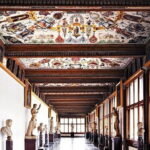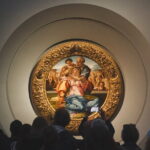
Medici secrets run above Florence. This exclusive private tour threads you from the Vasari Corridor into the Uffizi, with skip-the-line access that gets you to the good stuff fast instead of losing time to lines.
I love the way the corridor gives you a new Florence viewpoint, including a pass over/near Ponte Vecchio and the story of how the Medici could move between palaces without mixing with ordinary people. The only catch is timing: the whole experience runs about 2½ hours, so if you want to linger in rooms, you might feel a bit time-pressed.
In This Review
- Key points to know before you go
- Why the Vasari Corridor tour feels different from a normal Florence visit
- Starting at the Uffizi: world-famous art without wasting your morning
- The main event: walking the enclosed Vasari Corridor for Medici-era views
- The guide makes a real difference here (Giacomo, Susana, Ingrid)
- Ponte Vecchio pass-by: what to notice from this vantage
- Timing, duration, and how to avoid feeling rushed
- Price and value: what you’re really paying for
- Logistics that matter on the day (not the boring stuff)
- Who this tour suits best (and who should maybe choose another option)
- Should you book this Vasari Corridor and Uffizi exclusive tour?
- FAQ
- How long is the tour?
- Where does the tour start?
- Where does the tour end?
- Are entrance tickets included?
- Is this a private tour?
- Do I need to bring ID?
- Is food included?
- What’s the cancellation policy?
Key points to know before you go
- You start in the Uffizi and enter the Vasari Corridor directly for a smooth art-to-views flow.
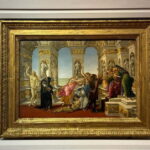
- A guided route for major masterpieces like Botticelli’s Venus, Leonardo’s Annunciation, and Titian’s Venus of Urbino.
- This is an elevated enclosed passageway connecting key Medici-era buildings, commissioned under Cosimo I in 1565 by Giorgio Vasari.
- You get city context without getting lost, plus a pass by Ponte Vecchio with its shop-lined bridge profile.
- The tour is private for your group and includes skip-the-line tickets for both stops.
Why the Vasari Corridor tour feels different from a normal Florence visit
Florence is all angles. But this experience gives you an angle that’s usually reserved for history nerds with excellent stamina.
The Vasari Corridor is not a museum room you wander at your own pace. It’s a purpose-built passage—an elevated, enclosed route linking the Palazzo Vecchio area to the Palazzo Pitti side of the city. It was commissioned in 1565 by architect Giorgio Vasari for Grand Duke Cosimo I de’ Medici. The big idea was control and privacy: moving between palaces without crossing paths with everyday Florentines. That’s why it feels so distinct. You’re not just looking at art. You’re walking through the logistics of power, design, and the Medici world.
And because the tour begins at the Uffizi, you get an unusually strong contrast: first you’re in a major art powerhouse; then you step into an architectural corridor that turns Florence itself into the background scenery.
You can also read our reviews of more museum experiences in Florence
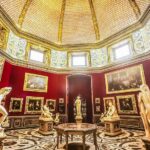


Starting at the Uffizi: world-famous art without wasting your morning
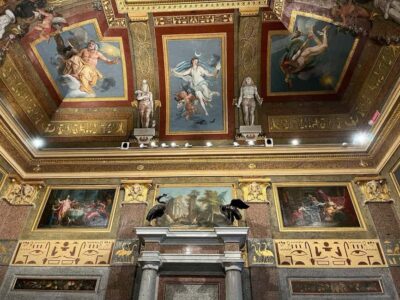
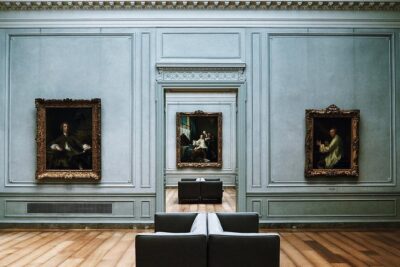
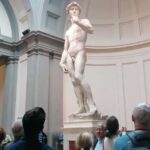
The tour kicks off at the Gallerie degli Uffizi inside the Palazzo degli Uffizi (the name essentially points to the Palace of Offices). It’s one of the oldest and best-known art museums in the world, so even if you’ve seen photos before, the scale and density of masterpieces can still hit you fast.
What makes this part valuable is the pace and focus. With a guide, you’re not trying to decide which rooms to race through. You’re guided toward highlights that people actually talk about for a reason—plus you’ll hear the stories that help the works make sense instead of just sitting there looking famous.
Expect time with major names such as:
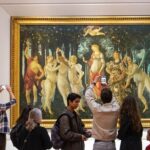
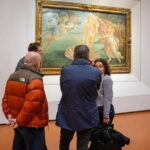
- Botticelli’s Venus
- Leonardo da Vinci’s Annunciation
- Titian’s Venus of Urbino
A quick practical note: the Uffizi can be crowded. Skip-the-line access changes the whole feel of the morning. Instead of spending your energy fighting for entry, you can spend it looking—at brushwork, composition, and the way these works shaped how later artists saw the world.
The main event: walking the enclosed Vasari Corridor for Medici-era views
Then comes the corridor itself—Corridoio Vasariano, an elevated enclosed passageway that bridges the Palazzo Vecchio and the Palazzo Pitti area.
This isn’t an open-air promenade. You’re in a covered, enclosed route, which means two things for your experience:
- You get a more controlled, almost cinematic feeling while moving through the space.
- Your “views” come through windows and openings rather than a wide outdoor walk.
That’s part of what makes it special. You’re literally inside the Medici movement system. The route begins on the south side of Palazzo Vecchio, connects into the Uffizi area, and runs along Florence’s rooftops and city line in a way most visitors never see.
You’ll also get context that helps you understand why the corridor exists beyond curiosity. The Medici didn’t just collect art—they built a world around it, including the routes people took and the visibility they had (or didn’t have).
The guide makes a real difference here (Giacomo, Susana, Ingrid)
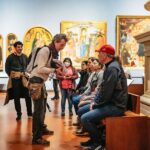
This kind of tour lives or dies on the person leading it. The art is famous, sure, but the corridor story is the sort of thing you’ll only really get when your guide ties it together.
From what I’ve seen on this route, you may get leads like:
- Giacomo, who turns the key points into something fun and manageable.
- Susana, who comes across as professional and highly practiced at making the visit enjoyable rather than overwhelming.
- Ingrid, an art historian originally from Salzburg, noted for speaking fluent English and Italian and sharing detail you won’t find as easily in guidebooks.
If you care about learning without turning your day into a lecture, these guides are the reason the experience tends to land as a standout. You’ll likely leave with a clearer sense of how the Uffizi masterpieces connect to the Medici world that shaped what got commissioned, collected, and celebrated.
Ponte Vecchio pass-by: what to notice from this vantage
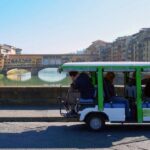
Even though the core of the tour is Uffizi-to-corridor, you’ll also get a pass by Ponte Vecchio. It’s a medieval stone bridge spanning the Arno River, and it’s famous for the shops that line the bridge.
Here, the practical win is focus. You’re not just doing Ponte Vecchio as a photo stop. You’re seeing it as part of the corridor’s city geometry—how the Arno and the bridge fit into the larger movement through Florence.
If you like small observations, here’s what you can look for on the bridge:
- Jewelers and art dealers
- Souvenir vendors that mirror how Ponte Vecchio became a commercial focal point over time
Also, this kind of pass-by works well for your schedule. You get the bridge experience without needing to plan a separate detour.

Timing, duration, and how to avoid feeling rushed
The tour runs about 2 hours 30 minutes. That’s not a long sit-down museum afternoon, and that’s exactly why it’s effective for many people.
Still, you should plan your expectations:
- You’ll hit major highlights rather than trying to see everything.
- You’ll spend time in two big “zones” (Uffizi first, then the corridor).
- You’ll likely move at a guided tempo, not a wandering one.
If you’re the type who loves to stand in front of one painting for a long time, consider this carefully. You might end the tour craving more time in the Uffizi (and that’s not a bad thing). The smart move afterward is to pick one or two artists you enjoyed most and go back on another day with less pressure.
Price and value: what you’re really paying for
At $343.10 per person, this is not a budget tour. So the real question is whether you’re buying access, time, and expertise—or just paying for convenience.
Here’s what your money is going toward, based on the tour details:
- Entrance tickets to both the Uffizi and the Vasari Corridor
- Skip-the-line entry
- A guide
- A private setup where only your group participates
The Vasari Corridor component is the biggest value lever. It’s a controlled, special-access experience, and those kinds of opportunities usually cost more because they’re limited and logistically harder than standard museum entry. Pair that with the Uffizi highlights you’d likely want to see anyway, and the price starts to make more sense as a “two-for-one” day that compresses a lot into one coordinated route.
Also worth noting: there are mobile tickets and you’ll often see demand high enough that booking earlier helps. The tour is listed as commonly booked about 47 days in advance on average, which tells you something simple: if you wait too long, your ideal time slots may disappear.
Logistics that matter on the day (not the boring stuff)
This tour uses a mobile ticket, and you’ll need to bring your passport or ID card on the day of the visit. That requirement is worth treating as non-negotiable. Nothing derails a great art day faster than last-minute stress at the meeting point.
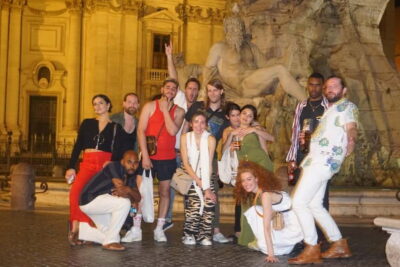
The meeting point is at Fontana del Nettuno, and the tour ends at the Grotta del Buontalenti area in Piazza de’ Pitti. You’ll exit next to the Grotta Buontalenti, with accompaniment from the courtyard of Palazzo Pitti. Translation: plan on finishing on the Pitti side of town, not back near the Uffizi.
You’ll also want to dress for walking in Florence. Even though this is not a marathon, you’ll be moving enough that comfortable shoes matter.
Who this tour suits best (and who should maybe choose another option)
I’d point this tour toward you if:
- You want a guided route through high-impact highlights in a short time.
- You’re curious about how the Medici shaped Florence, not just the art on the wall.
- You like architecture and city views as much as paintings.
- You prefer a private-group experience where your guide can keep things organized.
I’d think twice if:
- You want to spend most of your day in the Uffizi at a slow pace.
- You’re only in Florence for one quick museum sweep and want total freedom to wander.
The corridor is the signature, and the Uffizi is the partner. If you’re excited about both, this is a strong match.
Should you book this Vasari Corridor and Uffizi exclusive tour?
If your ideal Florence day is art plus a rare, story-rich architectural walk, I think this one earns its spot. The combo matters: Uffizi first, then the corridor directly, so the day feels like one connected experience instead of separate checkboxes.
Book it if:
- Skip-the-line time is valuable to you.
- You like guided context and major works (Botticelli, Leonardo, Titian are all in the mix).
- The idea of walking the Medici route over Florence appeals to you.
Skip it or adjust expectations if:
- You’re a slow museum wanderer who hates a guided pace.
- Two and a half hours feels too short for your “sit with one painting” style.
Bottom line: this tour is for people who want a high-success Florence day—access, focus, and a corridor walk you can’t easily replicate on your own. If that sounds like you, you’ll probably feel glad you booked.
FAQ
How long is the tour?
It’s approximately 2 hours 30 minutes.
Where does the tour start?
The tour starts at Fontana del Nettuno, 50125 Florence, Italy.
Where does the tour end?
It ends at Grotta del Buontalenti, Piazza de’ Pitti, 1, 50125 Firenze FI, Italy.
Are entrance tickets included?
Yes. Entrance tickets to both the Uffizi Gallery and the Vasari Corridor are included, and skip-the-line access is part of the tour.
Is this a private tour?
Yes. Only your group will participate, and it’s listed as a private tour/activity.
Do I need to bring ID?
Yes, you must bring your passport or ID card on the day of the visit.
Is food included?
No. Food and drinks are not included.
What’s the cancellation policy?
This experience is non-refundable and cannot be changed for any reason. If you cancel or ask for an amendment, the amount you paid will not be refunded.