REVIEW · WASHINGTON DC
National Portrait Gallery & American Art Museum Tour 8ppl
Book on GetYourGuide →Operated by Babylon Tours DC · Bookable on GetYourGuide
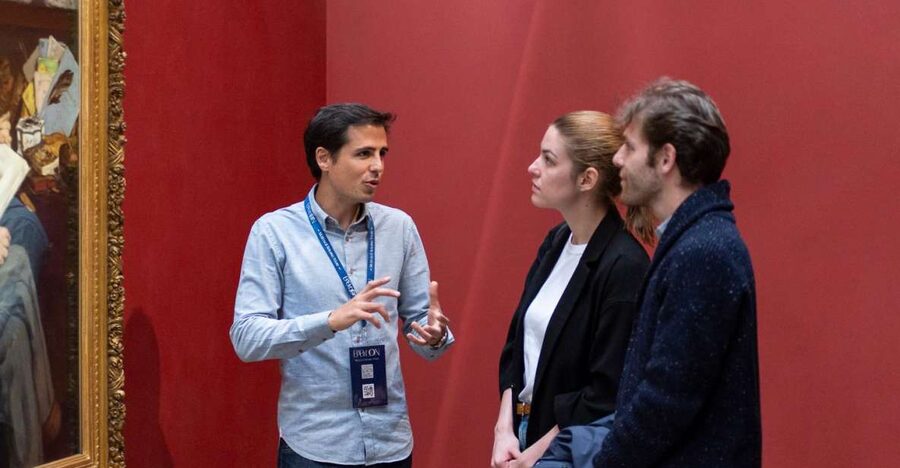
Presidents and civil rights share a hallway. On this 150-minute small-group tour, I like that an art historian guide keeps the stories clear, not lecture-y, while the Presidential Portrait collection turns familiar faces into something you can actually talk about.
The one drawback to plan around is physical and entry friction: there’s moderate walking, security is strict (only small thin bags), and this tour isn’t suitable for wheelchair users.
In This Review
- Key Takeaways Before You Go
- From Hospital to Museum: Why This Tour Feels Like Two Stories, One Thread
- The Building Matters: Walt Whitman’s Civil War Hospital Still Sets the Tone
- National Portrait Gallery: Presidents, Photography, and the Stories in Plain Sight
- The portraits that anchor the era
- Early photography you’ll want to see up close
- Robber Barons and Suffragettes: power and protest in the same gallery arc
- The Greensboro Lunch Counter: a Civil Rights Movement touch point
- Small heads-up for museum flow
- American Art Museum: From Cassatt and Hopper to O’Keeffe’s Questions
- Mary Cassatt and Impressionism’s American angle
- Edward Hopper and David Hockney: familiar names, useful focus
- Georgia O’Keeffe: flowers that start arguments
- A slightly odd portrait of former President Obama
- WPA-era photographs and the Great Depression’s visual memory
- Modern works that make you scratch your head
- The Real Secret Sauce: Art Historians Who Can Explain the Mystery
- What $95 Really Covers: Value Across Two Museums
- Practical Planning: Bag Rules, Quiet Rooms, and Those Occasional Closures
- Who Should Book This Tour, and Who Might Skip It
- Should You Book This Tour?
- FAQ
- How long is the tour?
- What’s included in the price?
- Is hotel pickup or drop-off included?
- What ID do I need to bring?
- Are luggage or large bags allowed?
- Is this tour wheelchair accessible?
Key Takeaways Before You Go
- The guide connects art choices to American identity, not just dates and names
- Presidents and military leaders (including Grant and Sherman) help you track power through portraits
- Greensboro Lunch Counter adds a real Civil Rights Movement touchstone to the museum experience
- A timeline sweep from daguerreotypes and early photography to Robber Barons and Suffragettes
- Big-name American art, side-by-side with puzzles like O’Keeffe and a surprising Obama portrait
- Walt Whitman’s hospital-to-museum setting makes the building itself part of the story
From Hospital to Museum: Why This Tour Feels Like Two Stories, One Thread
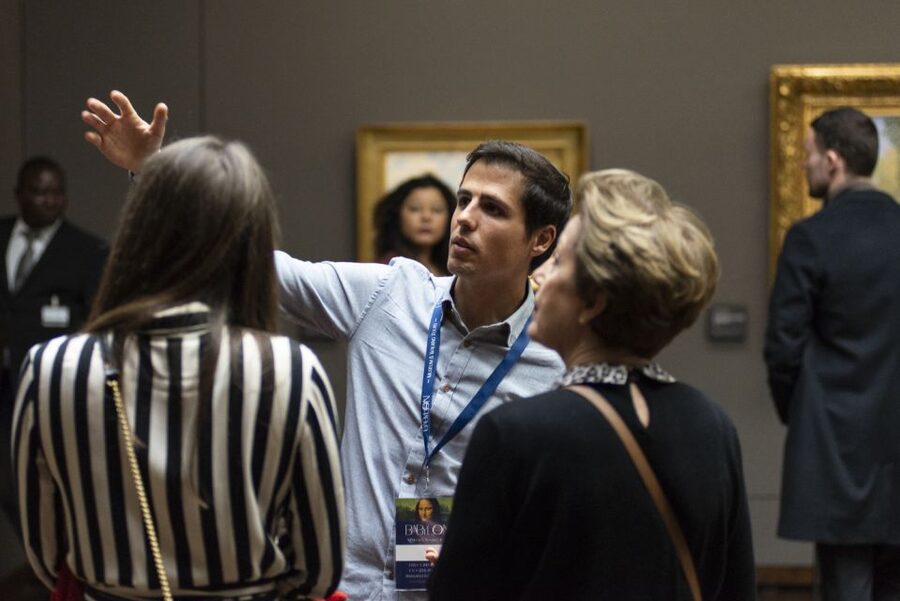
If you like your art with context, this pairing works. You start in the National Portrait Gallery, where portraits act like historical evidence. Then you move to the American Art Museum, where paintings and photographs show how America saw itself in changing eras.
The tour is built around a guided highlights approach. That matters because both museums can swallow a whole day. Here, the focus is on the key collections and the ideas that connect them, so you get momentum fast.
The other reason it feels good: the guide is a professional art historian. I find that’s the difference between seeing objects and understanding why they landed where they did, especially when the art is famous but the story behind it isn’t.
You can also read our reviews of more museum experiences in Washington Dc


The Building Matters: Walt Whitman’s Civil War Hospital Still Sets the Tone
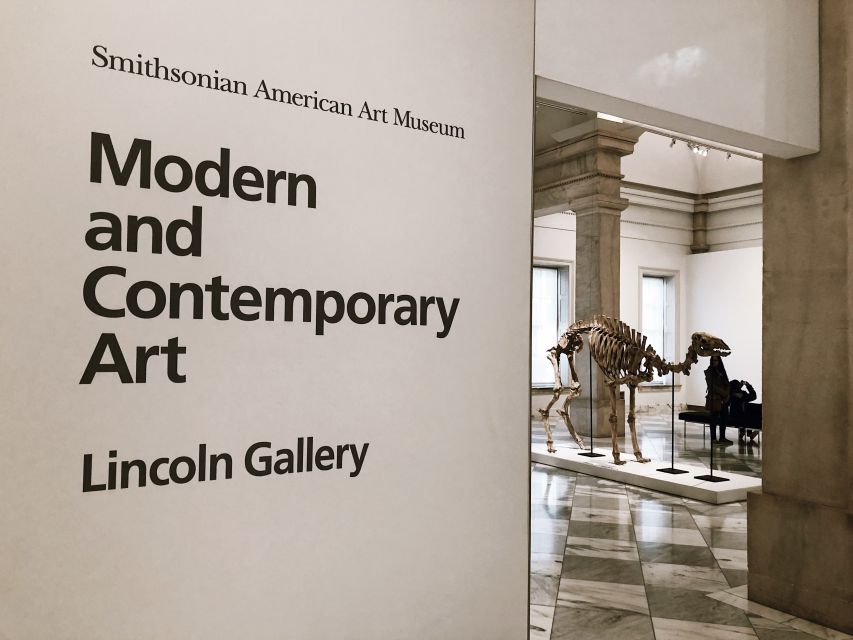
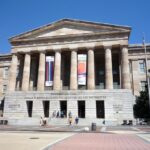
The National Portrait Gallery building has a past you can’t ignore. It was once a Civil War–era hospital, and famed poet Walt Whitman helped injured soldiers. That detail isn’t just trivia. It sets the emotional temperature before you even look at the portrait galleries.
Today, Whitman’s portrait shares space with thousands of others. The museum also has a long run-up to what you see now, with museum activity going back to 1829 before becoming a dedicated museum. So even though the tour is compact, you’re stepping into a place that has been part of American public life for a long time.
If you arrive a little early, take a minute to notice how the building frames people and power. Portrait museums can feel like “look at faces.” In this setting, it’s more like “look at the country through faces.”
National Portrait Gallery: Presidents, Photography, and the Stories in Plain Sight
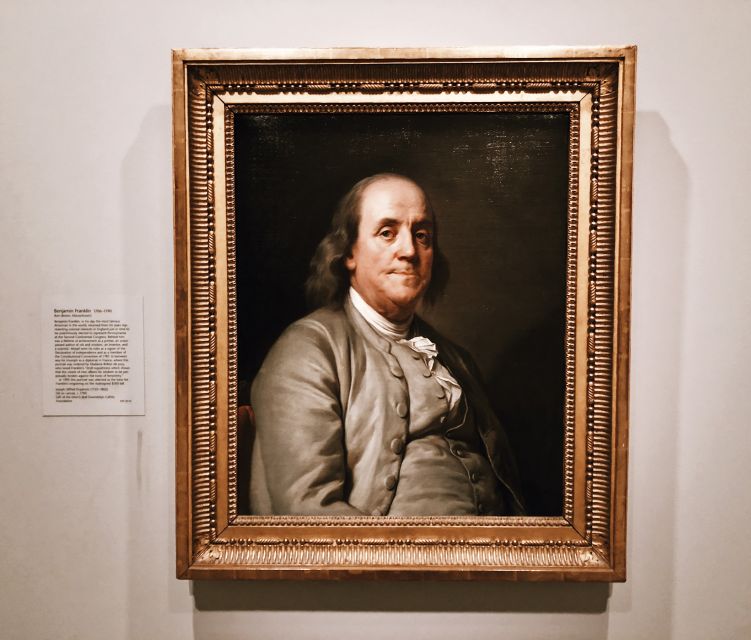
This is where the tour earns its name: it’s a guided highlights walk that moves across major eras of American self-image.
The portraits that anchor the era
You’ll spend time with the National Portrait Gallery’s focus on the figures who shaped the United States. Presidents and first ladies are front and center. You’ll also see major Civil War-era military leaders like Grant and Sherman, which is a smart choice because it broadens portrait history beyond political photo-ops.
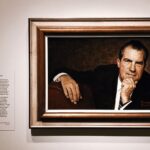
And then there’s the Presidential Portrait collection. It’s famous, but the value here is how the guide frames it: you’re not just identifying names. You’re learning what the portraits say about power, leadership style, and how Americans chose to remember themselves.
Early photography you’ll want to see up close
One standout category for many people is the 19th-century daguerreotypes and early photographs. These pieces look different from what we’re used to today: detail, clarity, and that old-school “this is a moment captured” feeling.
With a guide, you’re less likely to miss the subtle points. The guide helps you understand why early photography mattered for national memory, especially when a young country was still figuring out how it wanted to document identity.



Robber Barons and Suffragettes: power and protest in the same gallery arc
As the tour moves into the early 20th century, you’ll hit portraits connected to the Robber Barons era and the Suffragettes. It’s a neat contrast: wealth and influence on one side, organized pressure for rights on the other.
This section works best if you let yourself ask, Why were these people painted or photographed this way? A guide can point out visual cues and help you connect them to social tension without turning the whole tour into politics class.
The Greensboro Lunch Counter: a Civil Rights Movement touch point
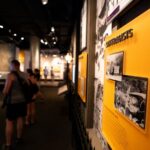
One of the tour highlights is seeing the Greensboro Lunch Counter, tied to the Civil Rights Movement. That’s a powerful shift from portrait-as-identity to object-as-activism.
Even if you know the basic story, it can hit differently in a guided museum moment, because you’re not just recalling events. You’re seeing an artifact that represents a tactic: protest in public, at the point where exclusion shows itself.
Small heads-up for museum flow
Moderate walking is part of the experience, and security rules are strict. Only small thin bag packs are allowed through security, and luggage storage isn’t included. So I recommend traveling light. Your future self in the galleries will thank you.
Also, some rooms have rules about quiet or restricted speaking. The guide will flag that before you enter those spaces, which keeps things smooth.
American Art Museum: From Cassatt and Hopper to O’Keeffe’s Questions
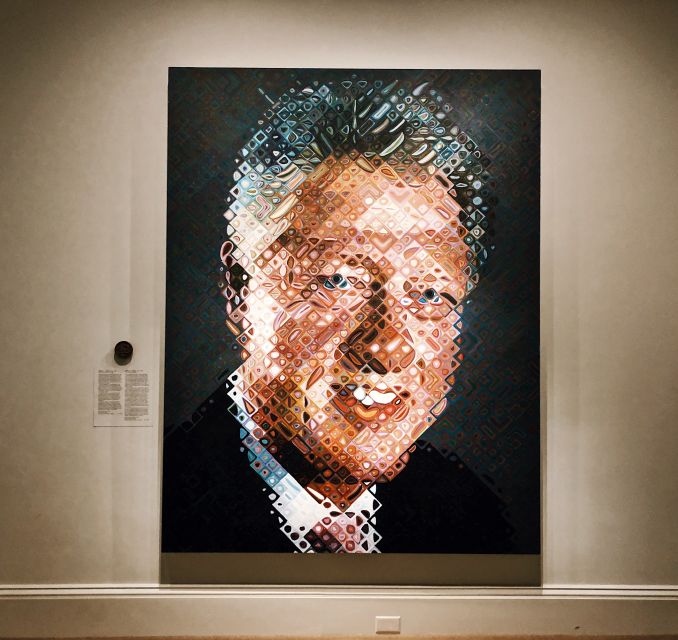
After the portrait-focused start, the tour moves you into American art in a more emotional, visual way. Instead of “who is important,” you start asking “how did artists interpret the country?”
Mary Cassatt and Impressionism’s American angle
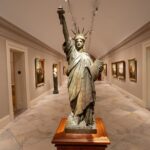
You’ll see artists like Mary Cassatt, an Impressionist whose work is often loved for its calm power and sharp observation. With a guide, the benefit is that you’re not just admiring style. You’re learning how this art connects to social life and identity in ways that portraits can’t always capture.
Edward Hopper and David Hockney: familiar names, useful focus
You’ll also get big-name attention, including Edward Hopper and David Hockney. What makes this portion worth your time is that the guide helps you look at iconic paintings without speed-skimming.
The guide’s job is to slow you down just enough that you notice the “why” behind the composition. Even if Hopper or Hockney are on your mental list already, the tour can help you see them as built choices, not just great art.
Georgia O’Keeffe: flowers that start arguments
Then come Georgia O’Keeffe’s provocative flowers. This section is perfect for a highlights tour because you can’t really “study” O’Keeffe in 15 minutes, but you can understand what people mean when they call the work challenging.
A guide helps you frame the conversation: the shapes, the scale, and how the art pushes boundaries of what’s acceptable to show and how to interpret it.
A slightly odd portrait of former President Obama
Yes, this tour includes a slightly odd portrait of former President Obama. That’s not a random detour. It shows how portraiture and public imagery keep changing—style, interpretation, and even mood can shift depending on the artist’s intent.
With the guide stepping in, you’re less likely to end up stuck on the question, “What am I supposed to think?” That support matters in modern works, where meaning isn’t always spelled out.
WPA-era photographs and the Great Depression’s visual memory
You’ll also see WPA-era photographs that helped define a nation during the Great Depression. This part often lands for people because it ties art to policy and survival, not just aesthetics.
And because photography can feel straightforward at first glance, the guide’s interpretation keeps you looking longer. You start noticing how people were recorded, what was emphasized, and how those choices shaped public memory.
Modern works that make you scratch your head
The tour ends with modern works that can leave you thinking. That’s normal. The value is that the expert guide helps bring it into focus, so your confusion turns into curiosity instead of frustration.
The Real Secret Sauce: Art Historians Who Can Explain the Mystery
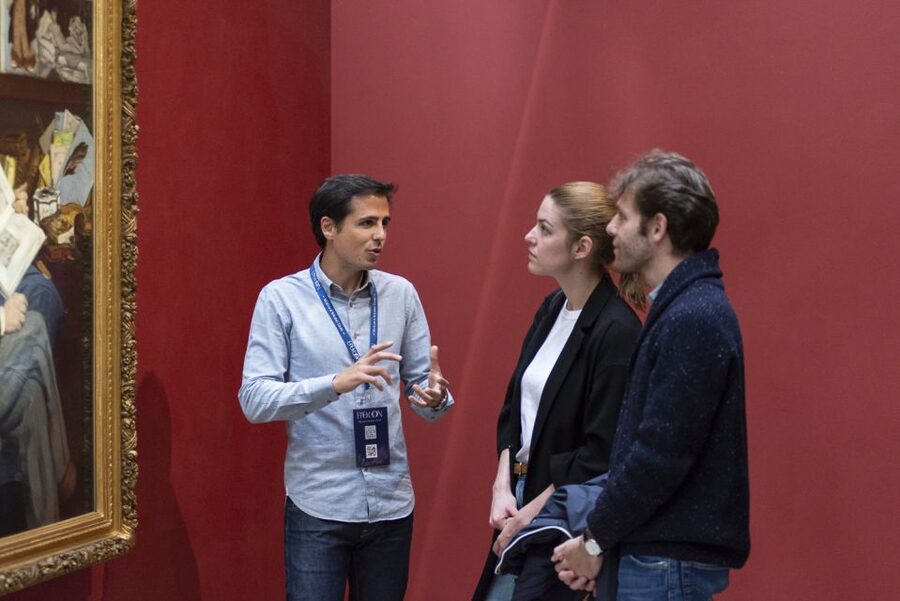
The best part of this tour is how the guide narrates the art. You’ll hear strong structure: where to look, what to notice, and how to connect the art to a bigger American story.
I saw guide names like Leigh, Bess, and Tony come up for praise. The pattern isn’t just friendliness. It’s how they tailor the tour: asking you questions about your own experiences, then using that to point you toward what to look for next. That makes the museum feel interactive without forcing you to perform.
A guide also matters when you run into pieces that are famous but not obvious. Some iconic works come with “you’ve probably heard this before” expectations. A good guide flips that: you stop repeating what you’ve heard and start seeing what’s actually on the wall.
If you want to get the most out of the 150 minutes, use the guide like a flashlight. Don’t be shy about asking what you should notice first or how the artist is steering your eye. In a highlights format, those answers can double your payoff.
What $95 Really Covers: Value Across Two Museums
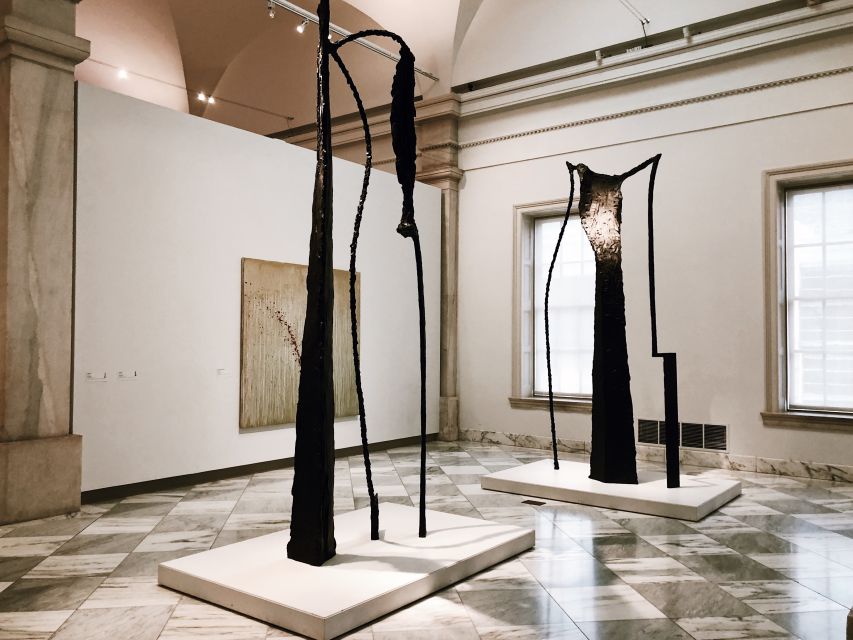
At $95 per person for a 150-minute experience, you’re paying for three things: time, access to expert interpretation, and a curated path through two major collections.
Is it cheap? Not really. But it’s also not just “walk around.” You’re getting a professional art historian guide for a tight window, plus a route that moves from the National Portrait Gallery into the American Art Museum during the same session.
You’re also not paying extra for temporary exhibits, because temporary exhibits aren’t included. That can be a drawback if you’re the type who wants rotating showpieces. Still, for many people, the permanent collections are exactly where the strongest foundations are.
Not included items matter too:
- No hotel pickup or drop-off
- No luggage or coat storage
- Temporary exhibits aren’t part of the plan
So think of the price as paying for meaning, not logistics. If you’re the kind of traveler who appreciates guided interpretation, the value starts to make sense fast.
Practical Planning: Bag Rules, Quiet Rooms, and Those Occasional Closures
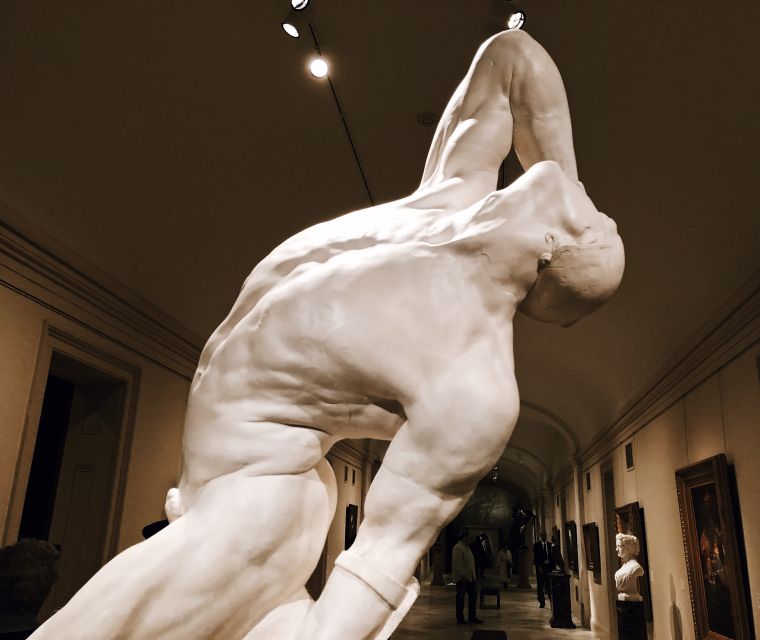
Museums are fun until security turns into a puzzle. Here, security is strict: only handbags or small thin bag packs are allowed through. No luggage or large bags. And luggage or coat storage isn’t included in the tour.
That means you should pack with the tour in mind. Bring a photo ID (a passport or ID card), and plan to keep essentials accessible. If you usually travel with a day backpack, check whether it qualifies as small and thin based on the stated rules, not your hope.
There’s also mention of some rooms having quiet or restricted speaking rules. The guide will tell you about those rooms before you enter. So if you’re with a group and people tend to talk, you’ll want to follow the guide’s cues.
One more wrinkle: occasional closures can happen without previous warning from the museum management. If the museum opening time is delayed more than an hour from the tour starting time, an alternative will be provided. In those cases, the supplier can’t provide refunds or discounts, so I treat this as a “go with the flow” factor rather than something to overplan.
Who Should Book This Tour, and Who Might Skip It
This tour is a great fit if you want two museum experiences with one guiding thread: how Americans chose to show themselves—through portraits, photography, and painting—and how those images connect to major moments.
You’ll likely enjoy it if:
- you like guided storytelling more than independent wandering
- you want a broad sweep from the 1800s into modern works
- you appreciate Civil War, early photography, suffrage history, and later visual culture
- you want famous names like Hopper and Hockney in a framework that explains more than style
You may want to skip or rethink if:
- you use a wheelchair (the tour is not suitable for wheelchair users)
- you don’t want moderate walking
- you need luggage storage (not included)
- you’re mainly chasing temporary exhibits (not included)
Should You Book This Tour?
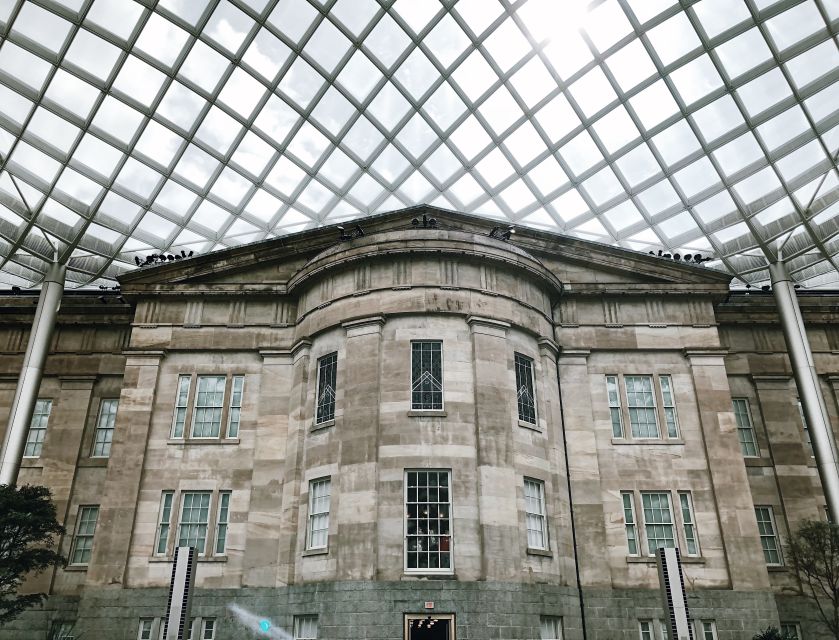
Yes, I’d book it if you’re aiming for a high-signal introduction to DC art and identity. The setting alone is special—an old hospital space that remembers Walt Whitman—and the two-museum structure keeps the story moving.
The guide-driven approach is the real edge. When a tour includes the Presidential Portrait collection, daguerreotypes, major art names, and a Civil Rights touch point like the Greensboro Lunch Counter, you want someone who can connect the dots quickly and clearly. That’s what this format is built for.
Just be honest about logistics: travel light, expect moderate walking, and follow the museum’s bag and room rules. If that works for you, this $95 session can feel like more than a tour. It can feel like getting your bearings—and then seeing the country through art with new eyes.
FAQ
How long is the tour?
The duration is 150 minutes (about 2 to 2.5 hours).
What’s included in the price?
The price includes a professional art historian guide. Temporary exhibits, hotel pickup/drop-off, and luggage or coat storage are not included.
Is hotel pickup or drop-off included?
No. Hotel pickup or drop-off is not included.
What ID do I need to bring?
You should bring valid photo ID (passport or ID card).
Are luggage or large bags allowed?
No. Only handbags or small thin bag packs are allowed through security, and luggage or large bags aren’t allowed.
Is this tour wheelchair accessible?
No, it’s not suitable for wheelchair users.