REVIEW · FLORENCE
Uffizi Gallery Guided Tour: Masterpieces of the Renaissance
Book on Viator →Operated by Star Europe Tours · Bookable on Viator
Stroll through Renaissance art with clear context and less waiting. This Uffizi guided tour bundles an official certified guide with a ticket reservation, so you’re not stuck in long entry lines while you learn how Florence’s patrons shaped what you’re seeing. I also like the tight format: about 1 hour 30 minutes, which helps you grasp the collection without the usual museum overload.
One possible drawback: the provided radio headsets can be hit or miss. One group reported dead headsets right at the start, and another noted the guide using a handheld mic more than you’d expect—so audio quality is the main “watch out” for this experience.
In This Review
- Key things to know before you go
- Why this Uffizi tour is a solid use of limited time
- Getting there: the meeting point under Leonardo’s statue
- Timed entry + admission included: how the ticket part works
- Inside the Uffizi story: what 90 minutes actually teaches you
- Stop 1: the Medici roots that make the art make sense
- Renaissance highlights: the big names you’ll recognize on sight
- Audio headsets and guide delivery: what to expect and how to prepare
- After the tour: how to revisit the art without getting lost
- Price and logistics: what you’re really paying for
- Who should book this Uffizi tour?
- Should you book this Uffizi guided tour?
- FAQ
- How long is the Uffizi Gallery guided tour?
- Is the tour offered in English?
- Is admission to the Uffizi Gallery included?
- What is the meeting point for the tour?
- Are headsets provided?
- How many people are in the group?
- What ID do I need for entry?
- What happens if I arrive late?
- Can I cancel for a refund?
Key things to know before you go
- Official certified guide + radio system so you can follow the story even while you’re walking.
- Timed-entry admission included, which helps you avoid the worst of the line situation.
- Small group size (maximum 15 travelers), so the tour feels more personal than big-bus chaos.
- Renaissance highlights across major artists, including the big names you come to Florence for.
- You can revisit after the tour, so you’re not forced to move on the moment you finish the route.
Why this Uffizi tour is a solid use of limited time

The Uffizi is the kind of museum that can swallow an entire day. That’s beautiful—until you realize you might miss the thread that connects the paintings, sculptures, and architecture. This tour is built to keep you oriented: it gives you a structured walk through the Uffizi’s Renaissance story, then lets you decide what to linger on afterward.
At about 90 minutes, you get a focused “who, what, and why” view instead of wandering room to room trying to connect dots in your head. And with a maximum of 15 on the group, you’re usually able to hear the guide, see what you’re meant to see, and keep your bearings.
The other big reason I like booking this style of experience is simple: timed entry. The ticket is managed through reserved slots, and this tour includes that ticket and reservation. In practice, that means you can spend more time inside and less time stuck in a queue.
The price is $90.50 per person, which isn’t cheap—but you’re paying for the guide plus the reserved admission. If you were just buying a museum ticket on your own, you’d save money, but you’d also lose the built-in explanations that make the Uffizi snap into focus.
You can also read our reviews of more guided tours in Florence

Getting there: the meeting point under Leonardo’s statue
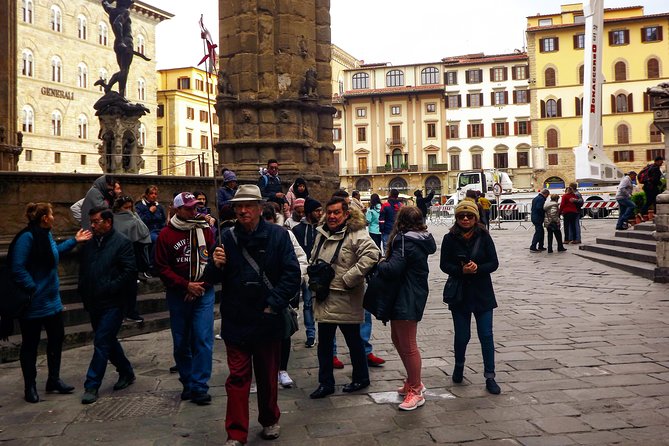
You meet at the Statue of Leonardo da Vinci, Piazzale degli Uffizi, 209, Florence. The tour ends back at the same point, which makes it easier to plan the rest of your day in the center of town.
Practical tip: give yourself extra buffer time. One past booking had timing confusion, and the group ended up waiting under the Da Vinci statue while the tour start time didn’t feel right. Even if that’s unusual, it’s smart to arrive early and be ready to go when the group forms.
Most importantly, don’t plan to “sprint in at the last second.” If you arrive after the tour start time, you will not be able to join, and there’s no refund. That late-arrival rule matters because timed-entry tours are scheduled like trains: once you miss the window, it doesn’t bend.
Also keep your ID handy. You’ll need a valid passport or ID document matching the name used at booking. The tour is strict about the name matching the ticket, and entry can be denied otherwise.
Timed entry + admission included: how the ticket part works
A regular Uffizi visit often turns into a timing puzzle. This tour solves it by including the museum reservation through the timed-entry system. The direct museum ticket is described as around €29, and your tour cost adds the guide and radio system on top of that.
So you’re not just paying for access—you’re paying for smoother entry and an explanation-led visit once you’re inside. That combination is often the difference between seeing art as “cool objects” versus seeing it as a chain of ideas, patrons, and artistic decisions.
Once the tour finishes, you’re free to return and revisit artworks that caught your eye. That’s a real advantage in a museum like this, where you might only understand a few masterpieces deeply during the guided portion, then want to study the rest at your own pace.
Inside the Uffizi story: what 90 minutes actually teaches you
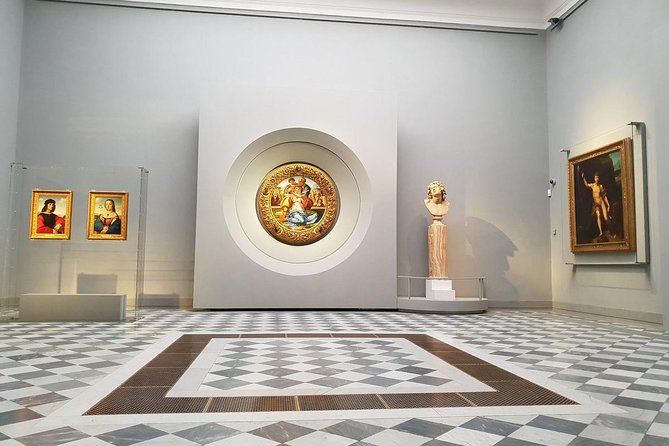
The Uffizi can feel like too much at first—floors, rooms, crowds, and wall after wall of paintings. This tour keeps things readable by focusing on the museum as a narrative.
You start with the Gallerie Degli Uffizi itself and the setting: the Uffizi was once a Medici palace, and the collection became part of Florence’s identity through those powerful patrons. The guide ties the art to the people who funded it and the purpose behind it.
Then there’s the entrance “moment” many people miss when they walk in fast: you’re directed to look closely at the portrait of Anna Maria Luisa de’ Medici, tied to how the family’s collection was gifted to the city. It’s a small detail, but it sets the tone. You start to see the museum as something political and personal, not just a big art warehouse.
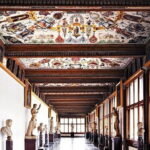
From there, you ascend a grand staircase as the guide connects architecture and hidden stories to what you’ll see next. That matters because the Uffizi’s layout and movement patterns can feel random if you don’t get a guide’s mental map.
The tour also uses a short list of anchor works—so you know where you are in the Renaissance timeline and why certain artists matter. The goal isn’t to see everything. It’s to leave with an understanding you can use while you explore on your own afterward.
Stop 1: the Medici roots that make the art make sense
I love when museum history is practical, not just a lecture. Here, the Medici angle helps you read the collection in a smarter way.
The Uffizi began as a Medici palace, and that lineage explains why so many artworks feel like they’re tied to status, faith, diplomacy, and civic pride. When you learn that connection early, the paintings don’t sit there silently. They start to feel like choices—commissioned, collected, displayed, and meant to be read by someone.
The portrait of Anna Maria Luisa de’ Medici is a perfect example. It’s not just a face on a wall. It points to how the family’s collection became part of the city, which helps you understand why these works ended up in Florence and how the museum became a public statement.
Then you move into the built environment itself: that grand staircase and the architectural storytelling make you slow down in a good way. Even if you only catch a few of the guide’s notes, you’re more likely to notice how the museum is designed to direct attention.
You can also read our reviews of more museum experiences in Florence



Renaissance highlights: the big names you’ll recognize on sight

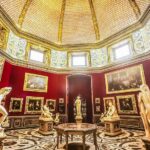
The tour is framed around iconic Renaissance artistry and a few touchpoints that bring the collection into focus. Based on the tour description, you’ll be pointed toward major artists such as Giotto, Filippo Lippi, Raphael, and Caravaggio.
You’ll also hit specific show-stoppers during the walk. For example:
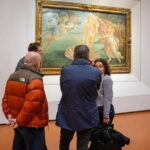
- Botticelli’s The Birth of Venus (the tour description mentions Venus de Milo, but the highlight you’re aiming for in the Botticelli slot is The Birth of Venus). This is one of those works where a guide’s framing can make the symbolism feel less mysterious and more intentional.
- Leonardo da Vinci’s Annunciation, which you’ll understand more quickly when you get context for why the work mattered and how it fits Leonardo’s broader thinking.
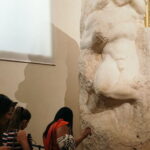
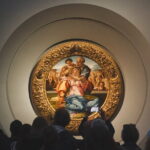
- A Michelangelo panel painting called out as the only panel painting by Michelangelo mentioned in the tour description. Even without getting lost in technical details, the key value is that you see it in the right artistic conversation instead of just “a famous name on a label.”
Even if crowds limit your ability to stand and stare for long, the guide’s job is to help you look faster but better—so you notice composition, subject, and artistic purpose rather than just admiring technique in the abstract.
Audio headsets and guide delivery: what to expect and how to prepare
This tour includes a radio system so you can hear the guide through headsets. That’s a big deal at the Uffizi, where people talk over themselves and the museum is rarely quiet.
Still, quality can vary. One group gave the tour 4 out of 5 and specifically called out that multiple headsets went dead at the beginning. Another 3 out of 5 noted the guide holding a handheld mic rather than keeping it positioned consistently.
So here’s my practical advice: treat audio as important. If you’re sensitive to sound clarity, you’ll feel better if you come ready—close to the front of your group line when possible, and paying attention when the guide pauses to point out details. If you notice early that your headset isn’t working well, ask staff immediately so you can get a replacement rather than trying to “tough it out” for the whole session.
In short: when the audio works, it’s excellent. When it doesn’t, you’ll want to be proactive.
After the tour: how to revisit the art without getting lost
A strong benefit of this format is that once the guided route ends, you’re not done. You can revisit any artworks that captivated you, which lets you turn a short introduction into real learning time.
Here’s how to make that time count:
Pick 2 or 3 works you care about most and return to them when the crowd flow shifts. The Uffizi changes minute to minute. If you try to “do everything” again, you’ll burn out fast.
Also, use what the guide gave you. If you learned what to look for in The Birth of Venus or how the Annunciation fits the larger Renaissance story, you’ll recognize those patterns more clearly the second time.
This is where guided tours pay off: the guide gives you a map, and your return visits become targeted, not random.
Price and logistics: what you’re really paying for
Let’s talk value in plain terms.
You pay $90.50 for a 1 hour 30 minute guided visit that includes:
- an official certified guide
- a radio system
- timed-entry admission (with the tour description noting a direct museum ticket around €29)
So you’re not just buying entry. You’re buying three things at once: expert interpretation, smoother admission flow, and a smaller group structure (max 15).
If you’re a true self-guided museum person with strong art history background, you might prefer buying your own ticket slot and wandering independently. But if you want Renaissance context delivered in a way that actually changes how you look at the art, the guide portion is what makes the price feel justified.
And if you’re visiting Florence during peak times, timed entry matters a lot. Booking trends show it’s popular—on average, this is booked about 45 days in advance—so planning ahead is part of getting good value.
Who should book this Uffizi tour?
This experience is a great fit if you:
- want Renaissance context quickly and don’t have time for a full-day museum dive
- plan to visit the Uffizi as a first or early stop and want a mental framework
- appreciate a guide who can connect art to patrons, architecture, and the “why” behind choices
- prefer smaller groups rather than a huge crowd shuffle
It’s less ideal if:
- you’re very audio-dependent and can’t tolerate even minor headset failures
- you want to take everything slowly from the start, without a structured route
- your schedule is flexible enough that you can’t commit to an on-time arrival (because late entry means you miss the tour with no refund)
Should you book this Uffizi guided tour?
If your priority is getting something meaningful out of the Uffizi without spending hours figuring out what you’re looking at, I think this is a smart booking. The big wins are the official guide, timed-entry admission, and the chance to revisit favorites afterward.
Just go in with one expectation set: audio quality is the main variable. If you stay attentive, get close enough to hear, and don’t depend on perfect headset performance, you’ll likely leave with a much clearer picture of what makes the Uffizi special.
FAQ
How long is the Uffizi Gallery guided tour?
The tour runs for about 1 hour 30 minutes.
Is the tour offered in English?
Yes, the tour is offered in English.
Is admission to the Uffizi Gallery included?
Yes. The tour includes the ticket and reservation so you can access the museum with timed entry.
What is the meeting point for the tour?
You meet at the Statue of Leonardo da Vinci, Piazzale degli Uffizi, 209, 50122 Firenze FI, Italy.
Are headsets provided?
Yes. The tour includes a radio system so you can hear the guide.
How many people are in the group?
The tour has a maximum of 15 travelers.
What ID do I need for entry?
You must bring a valid passport or ID document, and the name must match what you provided at booking.
What happens if I arrive late?
If you arrive after the tour start time, you won’t be able to join and you won’t be refunded or rescheduled.
Can I cancel for a refund?
Yes. You can cancel for a full refund up to 24 hours before the experience starts.