REVIEW · VENICE
Welcome! Venice Sightseeing kickstart Tour with local guide, small group
Book on Viator →Operated by Lucia Venice Walks & Tours · Bookable on Viator
Venice feels like a maze, but this tour helps you read it fast. You start in the historic Rialto area with a local guide in a small group, then work your way toward Piazza San Marco with key sights viewed from the right angles. I especially liked how the guide turns everyday streets into storylines, and how the pacing gives you time to ask questions without feeling rushed.
I also liked the balance of practical orientation and fun specifics, from why the Rialto Bridge matters to why Venetian masks and Carnival connect to the city’s deeper identity. The one thing to consider: it’s a mostly outside walking experience, and there are no snacks, so plan for a few stairs, plenty of turning corners, and keeping energy up on your own.
In This Review
- Key highlights to look for
- Why this walk works: Rialto first, then real direction
- The local-guide advantage (and the right kind of details)
- Stop-by-stop: what you see and why it matters
- 1) Rio Terà de le Carampane: an adult secret of old Venice
- 2) San Polo: the city’s structure and how to respect it
- 3) Mercati di Rialto: market life, measurements, and today’s change
- 4) Canal Grande photo stop: the big water makes the rules
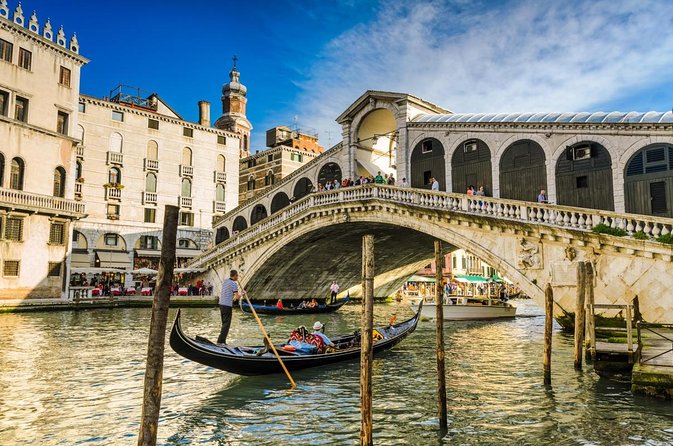
- 5) Ponte di Rialto: a hidden-corner look at why it’s built
- 6) San Marco area and a possible stair spectacle: a “by the way” masterpiece
- 7) Back to the Grand Canal for Dorsoduro: plague story + church viewpoint
- 8) Piazza San Marco (outside only): the monuments through a storyteller’s lens
- Photo stops and walking time: plan for comfort
- Price and value: $81.28 for orientation you can reuse
- When to book (and what days need extra attention)
- Who should book this tour?
- FAQ
- FAQ
- How long is the Venice sightseeing kickstart tour?
- Where do we meet, and where does the tour end?
- What’s included in the tour price?
- What’s not included?
- How large is the group?
- Is there an access fee for day-trippers staying outside Venice?
- Should you book this tour?
Key highlights to look for
- Small group (max 10) for a calmer pace and real Q&A time
- Rialto-to-St. Mark’s route that actually helps you map the city
- Photo stops on the Grand Canal and Rialto Bridge viewpoints
- Outside-only focus on major monuments at Piazza San Marco
- Clear Venice “rules” and water logic explained early, so later exploring feels easier
- Kids-friendly storytelling based on how the guide handles questions and attention
Why this walk works: Rialto first, then real direction
If you’ve ever stood in Venice trying to figure out where you are, you know the problem is not the scenery. The problem is the lack of a simple mental map. This tour solves that by starting where Venice’s identity is loudest: the Rialto area, tied to trade, bridges, and the city’s medieval power.
The route is built for orientation. You begin at Campo San Polo, then gradually shift from market streets to canal views and finally to the formal stage of Piazza San Marco. In two hours, you learn what to look for: bridge landmarks, canal angles, and how the city’s squares (campi) act like neighborhood “rooms.”
And the pacing matters. Because the group is capped at 10, you’re not stuck listening from the back while the guide tries to herd people through alleys. You can actually hear the explanations, and it’s easier to stop for quick questions about what you’re seeing—especially when Venice’s “normal” street logic keeps changing every block.
You can also read our reviews of more guided tours in Venice


The local-guide advantage (and the right kind of details)
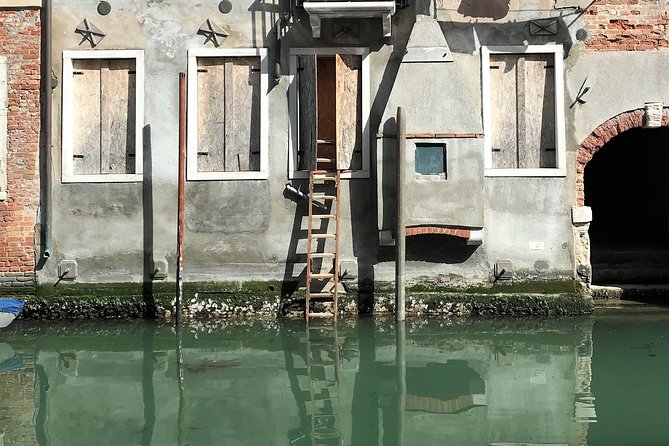
This is led by Lucia Venice Walks & Tours, and the guide’s approach is part explanation, part story, part practical coaching. You don’t just get facts dropped into your lap—you get context that helps the city make sense.
Early on, the guide frames Venice through water: how the city operates, why its layout works the way it does, and how water supply and rules shaped daily life. That’s useful even if you don’t remember every date. It’s the kind of knowledge that makes your next walk feel smarter.
Then come the small details that make the tour feel “Venice-real.” For example, the guide connects street names and local quirks to how Venetians used to live, and points out specific naming and layout ideas you might otherwise miss. The result is that even a short stop turns into something you can carry forward—like recognizing what you’re looking at when you see another wellhead, bridge corner, or campi edge.
Stop-by-stop: what you see and why it matters
1) Rio Terà de le Carampane: an adult secret of old Venice
You start by walking into the ancient area of Carampane. This is where the tour shows its range: not just the postcard side of Venice, but the parts that explain how the Serenissima really functioned.
The guide talks about how there was a red-light district during the republic’s era, then ties it to street-name clues like nizioleti—small labels that hint at what the area used to be about. This is one of those moments where Venice stops feeling “timeless” and starts feeling human: a city with rules, shadows, and neighborhoods that served specific roles.
Practical takeaway: don’t rush this section. Let the guide set the theme, because it changes how you interpret the rest of the walk.
2) San Polo: the city’s structure and how to respect it
Next comes San Polo, met right by the well in the center of the campo. The guide sets a foundation here: how Venice is subdivided, the origins behind the area, and basic water-supply thinking—plus the idea that Venetians have long treated the city like something you must respect, not just tour.
This part is valuable because it prepares you for what comes next. Venice is not laid out like most cities. If you don’t understand the logic of squares, canals, and alley connections, you’ll just feel like you’re walking in circles. Here, you get tools to avoid that feeling.



3) Mercati di Rialto: market life, measurements, and today’s change
At Mercati di Rialto, you spend time in the colorful Rialto market area. The guide brings up the old fish-measurement system, which is exactly the kind of detail that sounds quirky until you realize it’s explaining how commerce worked.
Then there’s the honest modern angle: the area is affected by the low number of Venetians still living in the islands. You’ll come away seeing Rialto not just as a view, but as a living economic ecosystem that has changed over time.
Drawback to keep in mind: market areas can feel busy. This tour keeps you moving, but if you’re sensitive to crowds, treat this stop as a “watch and listen” moment rather than an extended wander.
4) Canal Grande photo stop: the big water makes the rules
Now you shift to Canal Grande for a main-canal view and photo break. The guide adds history and details here, but the bigger point is angle: in Venice, where you stand changes everything. This is your first chance to see the canal as a thoroughfare that shaped wealth, transport, and building choices.
You’ll likely notice the canal’s visual power right away. After that, other bridges and buildings start to feel like part of a system, not random scenery.
5) Ponte di Rialto: a hidden-corner look at why it’s built
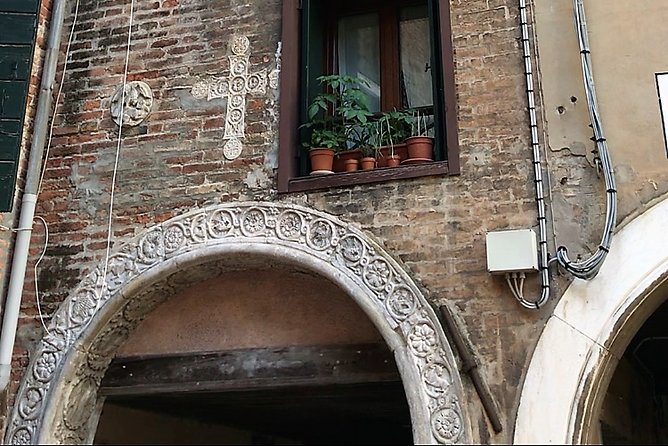
Next is the Ponte di Rialto, one of the city’s main icons. But instead of just stopping in the most obvious place, you get a view from a hidden corner so the guide can talk about the bridge’s secrets: why it was built, when, the origin of its name, and even the kind of decorations you might not guess at from the usual angles.
This stop is more satisfying than you’d expect if you assume it’s just a photo opportunity. The explanation gives the bridge a job, not just a look.
6) San Marco area and a possible stair spectacle: a “by the way” masterpiece
As you move toward San Marco, the guide points out a small, notable structure depending on the day—like Scala Contarini del Bovolo—described as a family-building project and something easy to miss because it’s tucked away.
Even if you don’t go inside (this tour is outside-focused), it’s a good example of how Venice rewards curiosity. You learn how to spot what’s unusual, not only what’s famous.
7) Back to the Grand Canal for Dorsoduro: plague story + church viewpoint
On the way, you get another Grand Canal viewpoint, this time with the La Salute Church in Dorsoduro as the visual anchor. The guide also shares the real story tied to the black plague—information that makes the church feel less like a pretty silhouette and more like a civic response.
This is a strong stop for perspective. You see the canal as a connector between neighborhoods, not a moat that separates them.
8) Piazza San Marco (outside only): the monuments through a storyteller’s lens
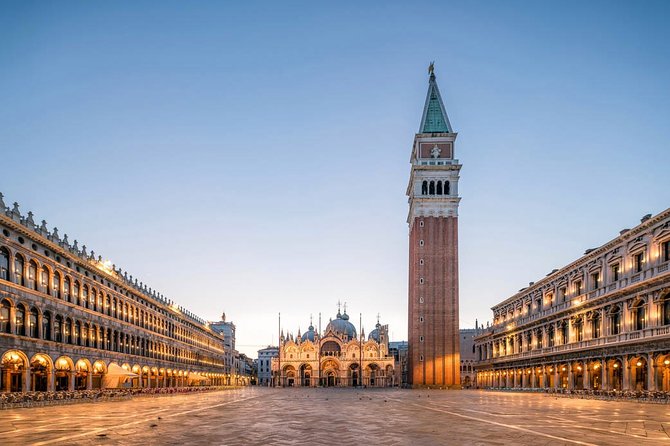
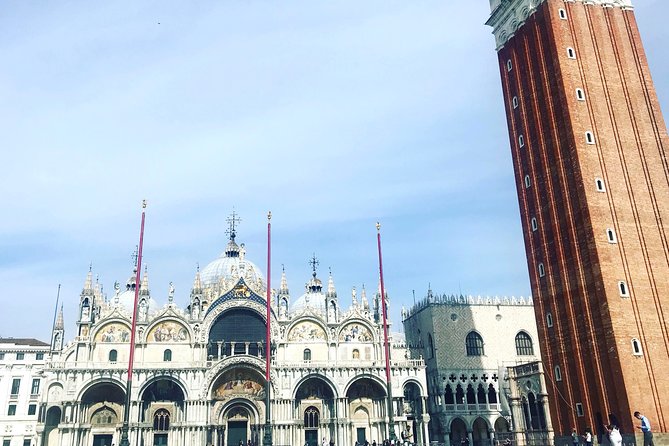
You finish at Piazza San Marco, which the guide frames as the most important square to understand Venice’s public face. You get to see major landmarks from the outside:
- Doge’s Palace
- San Marco Basilica
- The Bridge of Sighs (outside viewing)
- The Bell Tower and Clock Tower
- The Loggia
- The Marciana Library
- The Procuratie
- The former royal palace during foreign dominations
- Columns with unique decorations
The key is that the guide points out details most people walk past. You’ll also hear terrible legends that add color to the architecture without turning it into pure fantasy.
You end with directions for where to go next. That matters. Venice is better in motion, and a good ending point with next-step advice helps you avoid wasting your limited hours getting oriented again.
Photo stops and walking time: plan for comfort
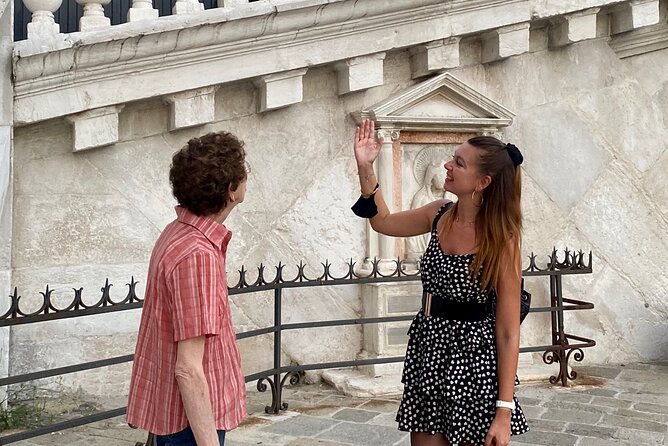
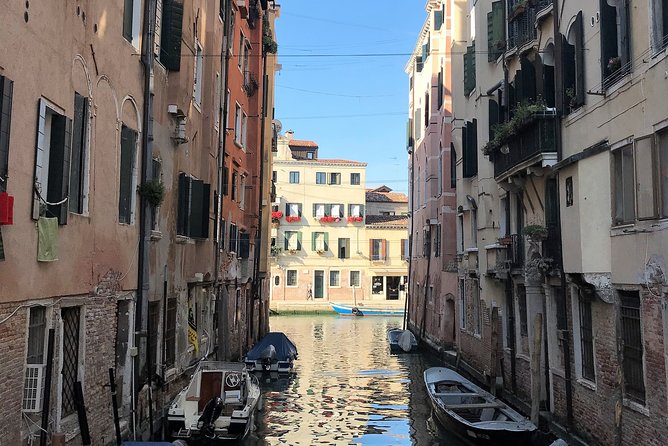
The tour includes photo stops, and it’s built around viewpoints where a quick pause gives you something worth keeping. Because this is about learning angles—Rialto Bridge, the Grand Canal, and the San Marco front—you’ll get better results if you bring a phone camera you’re comfortable using quickly in crowds.
Duration is about 2 hours, and the tour requires moderate physical fitness. Venice walking means uneven surfaces and frequent turning, plus the reality of stairs in older areas. You’re not doing a marathon, but you should wear comfortable shoes and expect the pace to be steady.
Also, there are no snacks included. If you’re traveling with kids or you get hungry quickly, bring water and plan a snack for after.
Price and value: $81.28 for orientation you can reuse
At $81.28 per person for about 2 hours, this isn’t a budget add-on. You’re paying for three things that are hard to replicate on your own: (1) a trained local guide explaining the city’s logic, (2) a high-impact route that hits the landmarks most visitors fixate on, and (3) a small group size that makes Q&A actually possible.
For value, ask yourself a simple question: do you want to spend your first day in Venice wandering randomly, or do you want to start with a map in your head? If you fall into the second category, this price starts to make sense. You’re buying clarity.
If you’re already comfortable with Venice basics and you’d rather spend those two hours drifting, you might feel the cost more. But if you want a reliable foundation—especially on a first visit—this is the kind of spending that pays off all week.
When to book (and what days need extra attention)

On average, people book this tour about 85 days in advance, which hints at demand for early orientation walks. If you have fixed travel dates, book earlier rather than later.
One more planning detail: on certain dates, people staying outside Venice may need to pay a €5 access fee for day visits. Check the city rules at https://cda.ve.it so you don’t get surprised.
Finally, the tour depends on good weather. If conditions are poor, you’ll be offered a different date or a refund. Venice has its own weather rhythm, so having the flexibility mindset helps.
Who should book this tour?
Book it if:
- It’s your first time in Venice and you want fast orientation.
- You like stories that explain how Venice works, not just what it looks like.
- You want a small-group experience with time to ask questions.
- You’re traveling with kids and want the guide’s storytelling style to keep attention focused.
Skip it or consider a different option if:
- You hate walking (even short, steady walking).
- You want museum-entry time inside major monuments. This one focuses on the main sights outside.
- You strongly prefer long, slow wandering without structured stops.
FAQ
FAQ
How long is the Venice sightseeing kickstart tour?
It lasts about 2 hours (approx.).
Where do we meet, and where does the tour end?
You meet at Campo San Polo, 30125 Venezia VE, Italy and the tour ends at St. Mark’s Square (Piazza San Marco), 30124 Venezia VE, Italy.
What’s included in the tour price?
The tour includes a local guide experience, photo stops, a visit to the historical Rialto area, a unique Rialto Bridge view, and tips for your stay in Venice.
What’s not included?
Snacks are not included.
How large is the group?
The group size is capped at a maximum of 10 travelers.
Is there an access fee for day-trippers staying outside Venice?
On certain dates, visitors staying outside Venice may be required to pay a €5 access fee. You can check details (including exemptions) at https://cda.ve.it.
Should you book this tour?
Yes, if you want a smart first move in Venice. This walk gives you a reusable mental map: Rialto first, then canal logic, then the big public face at Piazza San Marco. The small group size and guide-led explanations make it feel like a guided orientation, not a rush through photos.
If you’re the type who enjoys figuring things out alone, you could skip it and still see the same sights. But if you want to understand why those sights matter—and to leave knowing what to do next—this tour is a strong way to start.