REVIEW · VENICE
Venice: Ca’ Pesaro Modern and Oriental Art Museum Ticket
Book on GetYourGuide →Operated by Venezia Unica by Vela Spa · Bookable on GetYourGuide
Modern art, inside a baroque palace.
That combo is exactly why this Ca’ Pesaro ticket works so well: you get Ca’ Pesaro on the Grand Canal and also the Oriental Art Museum in the same visit, so your day flips between styles and centuries without hopping all over Venice.
I especially love the way this place pairs famous European names with big, surprising objects. You can stand in front of modern heavyweights like Klimt and Chagall, plus artists such as Kandinsky and Klee, and then switch gears toward 19th- and 20th-century collections that feel like a visual argument with the past.
One consideration: there’s no live guide included with this ticket, so you’ll get the most out of it if you’re willing to read the room labels and pick a route that matches your taste.
In This Review
- Key highlights you’ll actually care about
- Ca’ Pesaro on the Grand Canal: the building is half the show
- What your $11 ticket gets you (and how to think about the value)
- Oriental Art Museum: Edo-era Japanese treasures and Samurai armor
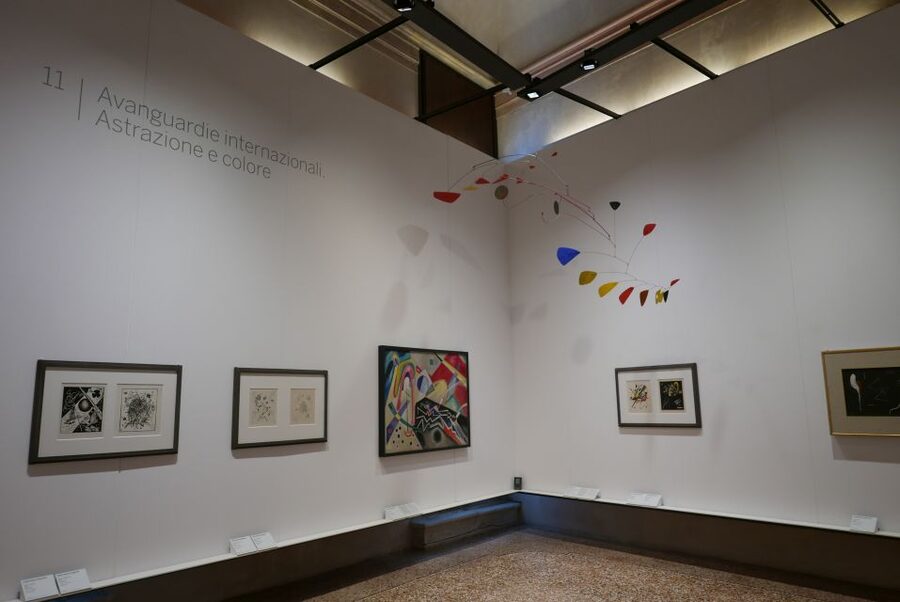
- Ca’ Pesaro Modern Art Gallery: Klimt, Chagall, Kandinsky, and Klee in context
- How to plan your one-day visit without stress
- Price and value: getting two museums for less than a single guided tour
- Who this ticket suits best (and who might want a different approach)
- A couple practical notes that can save your day
- Book it or skip it?
- FAQ
- Is the Ca’ Pesaro Modern and Oriental Art Museum ticket valid for one day?
- Do I need a live guide with this experience?
- Where do I go to enter the museums?
- What is the latest time I can enter?
- Is it closed on any day?
- Is the museum wheelchair accessible?
- Are children free?
- Is the ticket refundable?
- Is there an extra Venice Access Fee during certain dates?
Key highlights you’ll actually care about
- A baroque marble setting facing the Grand Canal instead of a generic museum box
- Modern art stars like Klimt and Chagall, plus Kandinsky, Klee, and Moore on display
- Oriental Art Museum focus on Japanese, Chinese, and Indonesian art
- A standout Edo-era Japanese art collection, one of the most important you can see in Venice
- Samurai armor displays that make the history feel real, not abstract
- Free locker storage and a café break with Grand Canal views for warm-day pacing
Ca’ Pesaro on the Grand Canal: the building is half the show
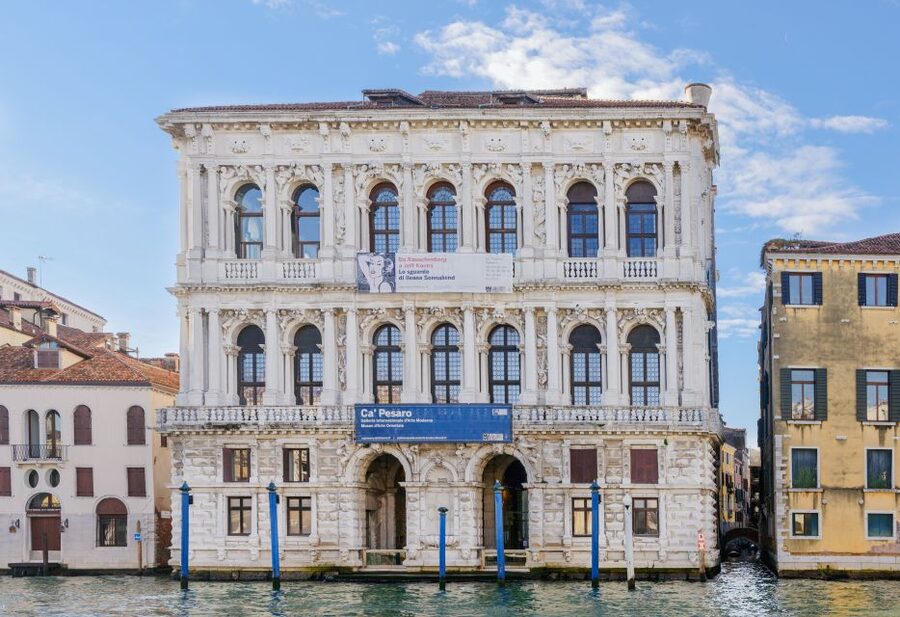
Venice is great at doing this: it takes art seriously, then wraps it in drama. Ca’ Pesaro is that kind of stop. You’re not just walking into climate-controlled galleries. You’re stepping into a spectacular baroque marble palace that faces the Grand Canal, with the city’s constant movement right outside.
That setting matters for your visit in a practical way. Even before you buy a drink, you’ll likely find your attention splitting between the artworks inside and the theater happening on the water. It makes the museum feel like part of Venice, not a detour.
If you like a museum where the atmosphere supports the collection, this is a strong match. And if you’re short on time, the location helps: you’re in a great area to build a flexible day around this ticket.
A few more Venice tours and experiences worth a look
What your $11 ticket gets you (and how to think about the value)
This is a one-day entry ticket for the Ca’ Pesaro International Gallery of Modern Art and the Oriental Art Museum. The price is listed as $11 per person, and the value comes from the range, not just the name on the brochure.
Here’s the key: you’re getting two very different art worlds in a single visit. Modern European art gives you painters and sculptors connected to major movements of the 19th and 20th centuries. Then the Oriental Art Museum shifts the lens to artworks from Japan, China, and Indonesia, including a major Edo-era Japanese art collection.
That kind of “two-museum reset” is rare without a lot of transit. In Venice, transit eats time. This ticket helps you spend time looking instead of moving.
Also, a small note that changes how you plan: this ticket includes admission, but it’s not paired with a live guide. So if you love having someone narrate the why behind each work, you’ll want to handle it yourself with the signage and your own priorities.
Oriental Art Museum: Edo-era Japanese treasures and Samurai armor
The Oriental Art Museum is the part of this experience that tends to surprise people the most. The emphasis isn’t a random assortment. It’s a targeted set of collections from across Asia, with a strong spotlight on Japanese works.
You should plan to spend real time here if you want the museum to feel satisfying. The best reason is the museum’s reputation for its Edo-era Japanese art collection, which is described as one of the most important you can see. Edo art often rewards slow looking: details in materials, patterns, and craftsmanship connect to daily life, theater, status, and beliefs from that period.
And yes, there are items like samurai armor on display. Even if you’re not an arms-and-armor expert, armor tends to hit immediately because it’s both engineered and artistic. You’ll usually notice how form and decoration work together, and it’s a good bridge between history you’ve heard about and objects you can actually study.
Beyond Japan, you can also expect unique examples of Chinese and Indonesian art. That broader mix helps you avoid the feeling that you’re just ticking a box. You’re building a bigger picture of how different artistic traditions speak to themes like power, identity, ritual, and storytelling.
Ca’ Pesaro Modern Art Gallery: Klimt, Chagall, Kandinsky, and Klee in context
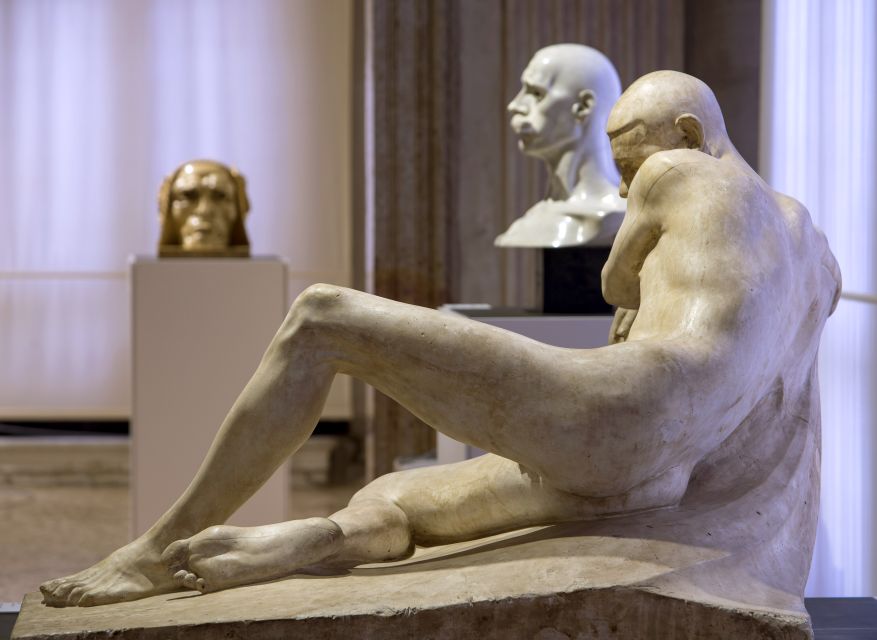
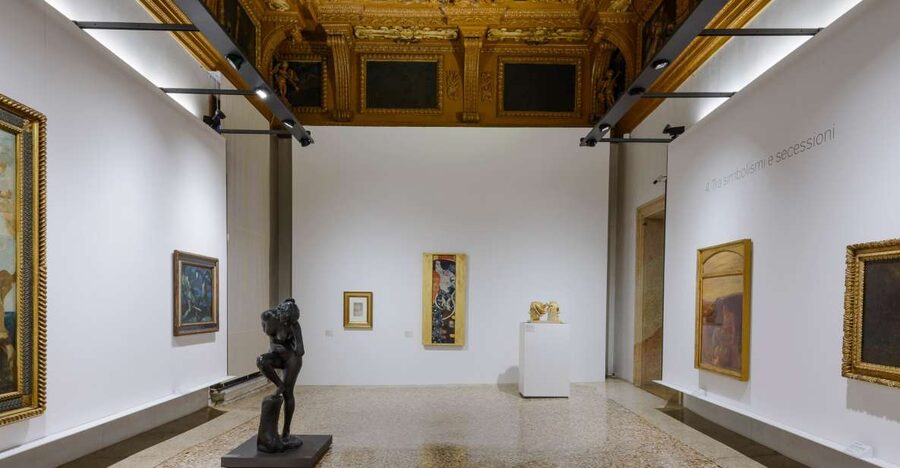
Now for the left turn back into modern art. The Ca’ Pesaro Modern Art section centers on 19th- and 20th-century paintings and sculptures, including major artists listed for this ticket such as Klimt, Chagall, Kandinsky, and Klee (and also Moore).
What I like about this lineup is that it isn’t just famous names. It’s the feeling of stepping into the questions that modern art was asking at the time: What should art focus on? How should it look? How do you express ideas that don’t fit neatly into realism?
Even if you don’t know the movements, you can still read the room. Look for visual tension: bold color decisions, shifting styles, and art that seems more interested in emotion or structure than in straightforward depiction.
One practical tip: if you’re trying to maximize your time, prioritize the major artists first. The ticket highlights them for a reason—these are typically the works most visitors will want to see up close. From there, you can branch out into the rest of the collection at your own pace.
And there’s another bonus you might appreciate: you may also find Rodin sculptures in the modern art galleries. That’s the kind of add-on that turns a “ticket visit” into a more complete afternoon, because it bridges sculpture traditions with the modern context around it.
How to plan your one-day visit without stress
You’ve got a valid 1 day window, but timing still matters because there are museum-day rules.
A few basics to build your plan:
- The museum is closed on Mondays.
- Last entrance is at 5 PM.
- Before you go, you should check the Civic Museums of Venice website for any changes to opening and closing times.
Because there’s no live guide, the simplest strategy is to decide your order based on what you care about most. Here are two workable approaches:
Option A: Modern first, then Oriental.
Start with the modern art collection while your energy is high. Then shift into Oriental art when you want your brain to slow down and start noticing details, like materials, patterning, and craftsmanship.
Option B: Oriental first, then Modern.
If you’re most excited about Edo-era Japan and samurai armor, lead with that. It’s easier to commit to slower looking when you’re not tired from earlier galleries.
Also, pace yourself with breaks. The museum has a café where you can get a drink overlooking the Grand Canal. On a warm day, that pause helps you keep your attention instead of rushing to finish.
Finally, plan for bags. There is free locker storage, which you’ll appreciate if you’re carrying shopping bags or a day pack.
You can also read our reviews of more museum experiences in Venice


Price and value: getting two museums for less than a single guided tour
At $11 per person, this ticket is a strong value if you’re the type who enjoys doing your own museum route. You’re not paying for narration. You’re paying for access to two collections under one roof and in one visit window.
To judge whether it’s worth it for you, ask this question: do you like modern art enough to spend time with it, and do you enjoy history and craftsmanship enough to slow down in the Oriental Art Museum?
If you say yes, you’ll probably feel like you got a lot out of a small price tag. If you only care about one half, it can still be worth it for the sheer contrast. But you might find yourself speed-walking the section that doesn’t match your interest as much.
So the value really depends on your style of travel. Independent museum lovers tend to score big here.
Who this ticket suits best (and who might want a different approach)
This is a great match if you:
- want to see two major museums in one trip without complicated logistics
- enjoy mixing art eras, from modern European painters to Edo-era Japanese collections
- like the idea of standing in front of famous names like Klimt and Chagall, then being surprised by works from Japan, China, and Indonesia
- appreciate a museum day where you can control the pace
It’s less ideal if you:
- want a live guide explaining every major work and giving you a narrative trail
- are only interested in a narrow slice of art history and don’t want to spend time browsing outside your favorites
Still, the lack of a live guide isn’t a dealbreaker. It just changes what you should bring mentally: curiosity and willingness to read.
A couple practical notes that can save your day
Before you go, keep these points on your radar:
- Closed on Mondays. Pick another day.
- Last entrance at 5 PM. If you’re late, you’ll lose time.
- There’s a chance you may need to account for the Venice Access Fee on specific dates in 2025 (between 18 April 2025 and 27 July 2025), with certain exemptions. Check cda.ve.it before you plan your day.
Also, because this ticket is non-refundable, don’t book it if your schedule is still a big question mark. Plan your day first, then grab the ticket.
And yes, the café stop can be more than a comfort break. When you’re surrounded by art and you start to get museum fatigue, a view out to the Grand Canal gives your eyes a reset.
Book it or skip it?
Book this ticket if you want a fast, high-impact Venice museum day that combines modern art icons with an excellent Oriental Art Museum stop, including Edo-era Japanese art and samurai armor. With the ticket covering both, it’s a smart use of time and money, especially if you like wandering at your own pace.
Skip it if you need a live guide to enjoy museums, or if modern art doesn’t grab you at all. In that case, you might be happier with a museum visit focused on one lane only.
FAQ
Is the Ca’ Pesaro Modern and Oriental Art Museum ticket valid for one day?
Yes. The ticket is valid for 1 day, with starting times depending on availability.
Do I need a live guide with this experience?
No. Admission is included, but a live guide is not included.
Where do I go to enter the museums?
Go directly to the Ca’ Pesaro International Gallery of Modern Art and show your ticket when entering.
What is the latest time I can enter?
The last entrance is at 5 PM.
Is it closed on any day?
Yes. It is closed on Mondays.
Is the museum wheelchair accessible?
Yes. The activity is wheelchair accessible.
Are children free?
Children under 6 years old get free entry.
Is the ticket refundable?
No. The activity is non-refundable.
Is there an extra Venice Access Fee during certain dates?
On certain days between 18 April 2025 and 27 July 2025, visitors to Venice may be required to pay an Access Fee directly to the City of Venice, with specific exemptions. Check cda.ve.it for dates and how it works.