REVIEW · NAPLES
Naples: Street Art, Wine and Food Tasting Walking Tour
Book on GetYourGuide →Operated by Hili srl · Bookable on GetYourGuide
Naples tastes better with a local route. This 2.5-hour walk mixes street art with classic food stops, centered near Porta San Gennaro. I especially liked the morning market element and the way you eat in the middle of real neighborhood life, not in a staged square. One thing to plan for: it is a lot of walking and stopping on narrow streets, so comfortable shoes matter.
I also liked the human touch. In the reviews, the guide Roberto shows up again and again, and the tour’s history-and-food blend feels personal, not textbook.
You’ll go through parts of Naples where most visitors never look twice. If you want views from a bus window, this is not that kind of tour.
In This Review
- Key highlights
- Why This Naples Walk Feels Like the Real City, Not a Theme Park
- Porta San Gennaro and San Gennaro: The Shortcut to Naples Context
- Rione Sanità Walk: Street-Level History You Can Actually Follow
- Palazzo delle Spagnuolo (1600s) From the Outside: What to Notice
- Dei Vergini Market (Morning Only): Why This Stop Is the Secret Weapon
- The Food Stops: How the Tasting Lineup Builds One Neapolitan Story
- Pizza and mozzarella: the baseline for Neapolitan pride
- Taralli: crunchy, salty, and made for street eating
- Sfogliatella and babà: the dessert arc
- Wine, Beer, and Limoncello: Drinks That Actually Fit the Walk
- Street Art With Meaning: Murals as Part of Neighborhood Life
- Group Size, Pace, and Shoes: Small-Group Comfort in Tight Streets
- Who Should Book This Naples Tour (and Who Might Skip It)
- Should You Book This Naples Street Art, Wine, and Food Tasting Tour?
- FAQ
- How long is the Naples Street Art, Wine and Food Tasting Walking Tour?
- Where does the tour start?
- What food and drinks are included?
- Is there a street market stop?
- What languages is the live guide available in?
- Can I cancel for a full refund?
- Are children allowed?
- What should I bring?
- Is it reserve now and pay later?
Key highlights
- Porta San Gennaro start: you get the cultural weight of the patron saint early, so the neighborhood context clicks fast
- Dei Vergini Market in the morning: see how locals shop for daily ingredients
- Rione Sanità guidance: street-level walking with context, not just photo stops
- Palazzo delle Spagnuolo (1600s): admired from the outside, with clear pointers on what you’re seeing
- A full Neapolitan tasting lineup: pizza, fresh mozzarella, taralli, sfogliatella, and babà
- Local drinks with the bites: wine, beer, and limoncello paired as you move through town
Why This Naples Walk Feels Like the Real City, Not a Theme Park
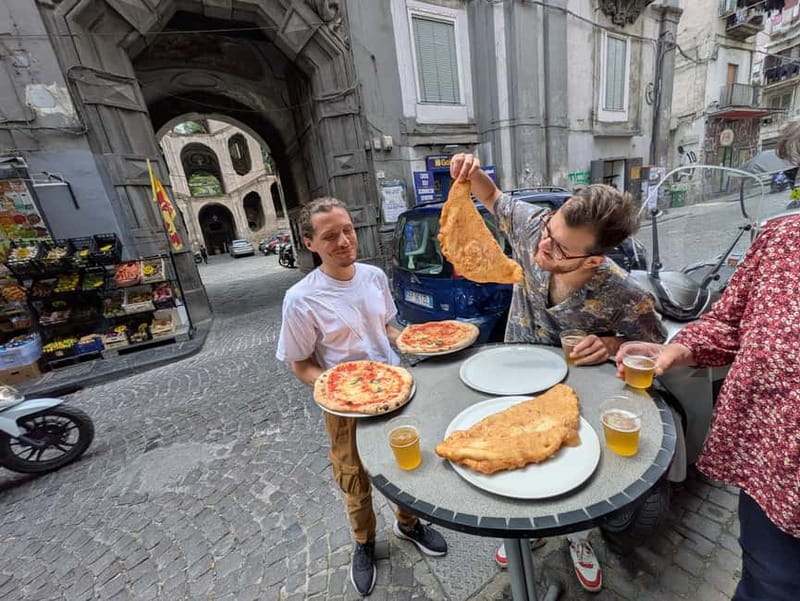
Naples has a reputation for chaos, noise, and traffic. This tour doesn’t try to smooth any of that out. Instead, it uses walking routes through everyday areas so you can actually read the city: shopfronts, side streets, and the little rhythms of people heading to work, buying food, and meeting neighbors.
Two design choices make it work for you. First, it is timed around the morning market, so the tour opens with ingredients and food culture, not with a single “wow” sight and then a snack. Second, it keeps you moving; even when you stop to taste, you’re still learning what makes these foods Neapolitan, and where they fit into daily life.
You can also read our reviews of more walking tours in Naples

Porta San Gennaro and San Gennaro: The Shortcut to Naples Context
The tour starts near the historic center by Porta San Gennaro. From there, you get a sense of why this area matters in Naples culture. You also learn about San Gennaro, the patron saint of Naples, and how deeply the city’s identity is tied to him. That matters because Naples history can feel like a blur if you only see churches and monuments. Here, you get a human anchor.
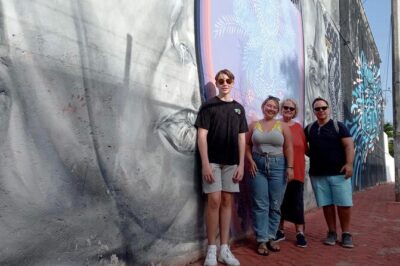
This first segment also sets the tone for the street art component. You’re not just staring at murals like they are random street decoration. Your guide points out how public art and local symbolism work in neighborhoods where people live year-round, not in a commercial zone built for tourists.
Practical note: early on you’ll likely be on busy sidewalks. Keep your pace steady, stay close to the group, and don’t expect wide open space for photos.
Rione Sanità Walk: Street-Level History You Can Actually Follow

After the initial neighborhood orientation, the route shifts toward Rione Sanità. This is one of those areas where “history” isn’t something behind glass. It is in the way streets connect, the shape of buildings, and what people still do on these corners.
You’ll get a guided walk through the area, with a focus on what you’re seeing as you go. That’s a big difference versus tours that dump a lot of information after you’ve already moved on. Here, the guide’s explanations land while the street scene is still in front of you.
If you care about atmosphere as much as landmarks, you’ll like this part. One review specifically called out how this area was a revelation and felt like the true Naples. That matches what you’ll experience: fewer souvenir stops, more real-life details.
Palazzo delle Spagnuolo (1600s) From the Outside: What to Notice
You also get time near the Palazzo delle Spagnuolo, a grand 1600s Baroque Spanish palace. Importantly, you view it from outside. That makes the stop easier to fit into a food-and-walking schedule, and it avoids turning your whole tour into a ticket line situation.
Even from the street, you can get a lot out of this stop if you know what to look for. Your guide helps you understand the palace’s role in Naples’ layers of influence, so the building isn’t just an impressive facade. It becomes another piece of the city’s puzzle.
Because the tour is packed, you won’t linger for long. Don’t try to “catch everything” in one glance. Instead, pick one angle your guide highlights, look slowly, then move on. The reward is that you’ll notice more than you thought you could in a quick stop.
Dei Vergini Market (Morning Only): Why This Stop Is the Secret Weapon
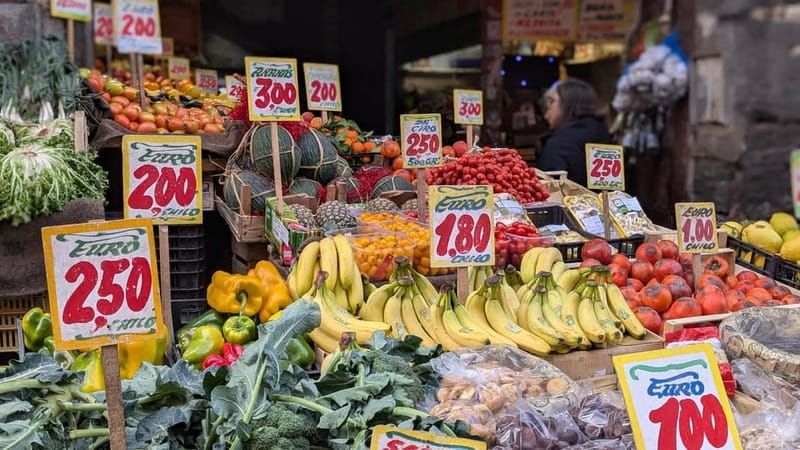
The morning visit to Dei Vergini Market is one of the best parts for me on this kind of tour because it changes your mindset. Instead of eating in a vacuum, you see where ingredients start before they become your lunch.
A market teaches you things restaurants can’t. You notice what gets prioritized. You start to understand how fresh staples are used locally. And you get that sensory Naples moment—smells, chatter, and everyday buying—without needing to figure it out on your own.
It is also a timing win. Because it is open in the morning only, you get a slice of daily life that most city tours miss. If you’re arriving in Naples and want your first day to feel grounded, this is a strong use of time.
Tip: if you’re sensitive to noise or crowds, keep a calm pace. The market is energetic, but your guide stays aware of where to stand and how to move through.
You can also read our reviews of more food & drink experiences in Naples

The Food Stops: How the Tasting Lineup Builds One Neapolitan Story
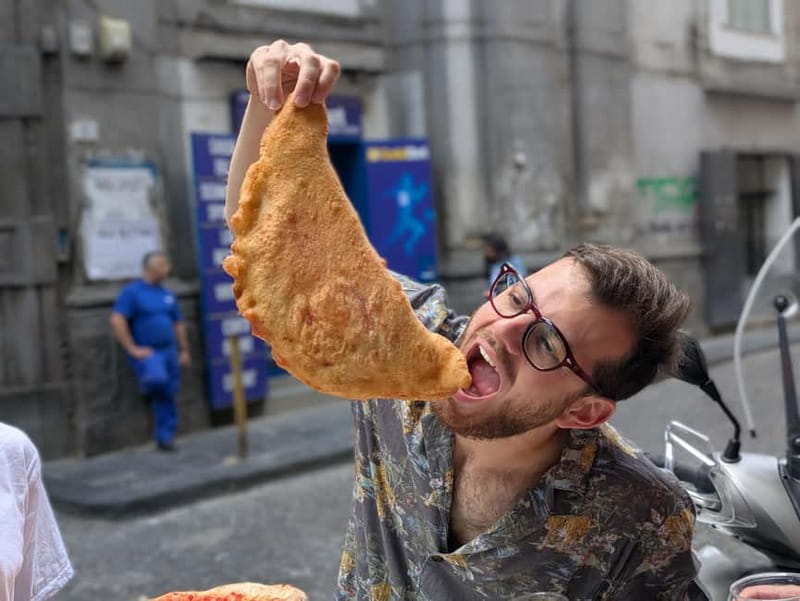
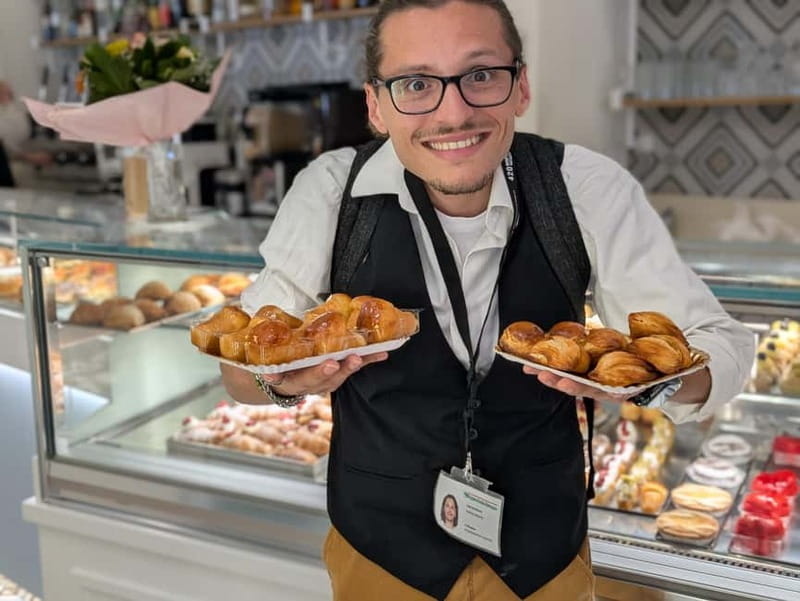
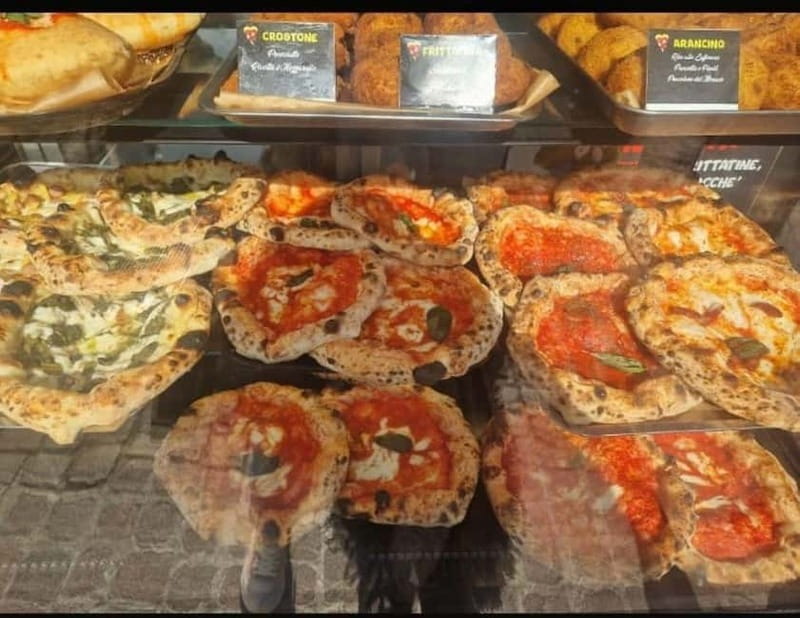
This tour’s food plan is built like a progression. Each bite connects to what came before, so you aren’t just sampling random items. The tastings you can expect include pizza margherita, fresh mozzarella, taralli, sfogliatella, and babà. You’ll also get traditional Neapolitan drinks along the way.
Here’s what that means in real terms for your stomach and your understanding:
Pizza and mozzarella: the baseline for Neapolitan pride
Pizza margherita is obvious on paper. What matters is how it tastes when it’s part of a local food flow, not a distant “tourist pizza.” You’ll also encounter fresh mozzarella that can feel like a totally different product compared to what you might be used to elsewhere. One review singled this out, pointing out that buffalo mozzarella is unlike the version many people get at home.
If you’re a fan of cheese and you think you know mozzarella, this is where your assumptions get checked.
Taralli: crunchy, salty, and made for street eating
Taralli are a practical snack. They’re crunchy and savory, and they work well between other tastings. This is the kind of food you can eat while still walking, which keeps the tour moving and keeps your hunger from getting out of control.
Sfogliatella and babà: the dessert arc
After the savory pieces, the tour ends with dessert tasting that highlights classic Neapolitan sweetness. Sfogliatella is all texture and layers. Babà brings a different style of indulgence—rich, soaked, and strongly tied to local dessert culture.
You’ll feel the payoff more if you pace yourself early. Don’t go too hard on the first savory stop unless you know you can handle multiple tastings. The tour is designed so you can keep tasting without feeling miserable by the end, but it still helps to be smart about spacing.
Wine, Beer, and Limoncello: Drinks That Actually Fit the Walk
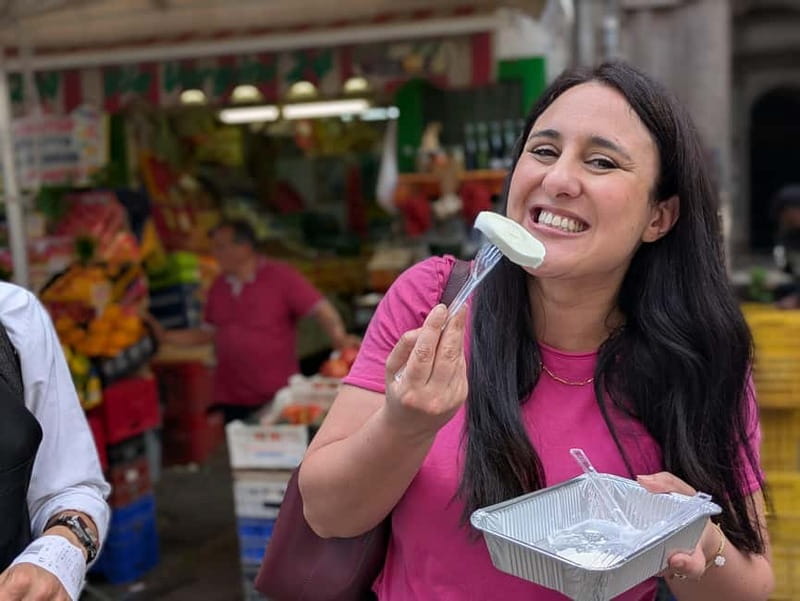
The drink lineup is straightforward: local drinks including wine, beer, and traditional limoncello. This is a smart combo for two reasons.
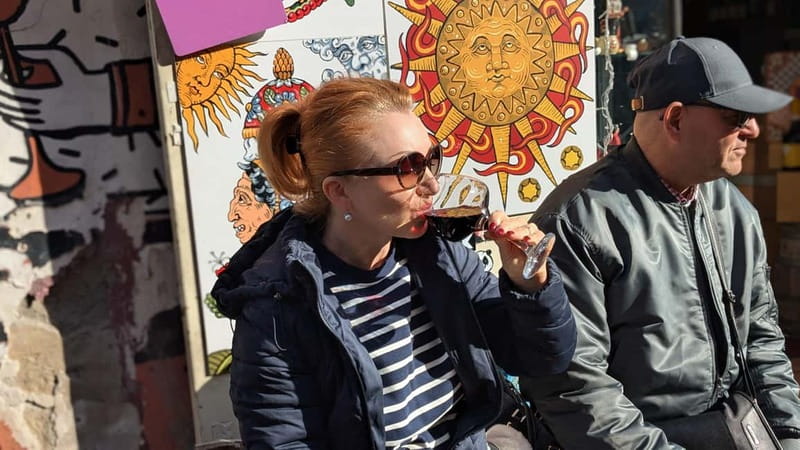
First, it keeps variety in check. You’re not stuck choosing between one heavy option and one weak one. Second, pairing alcoholic drinks with snack-sized tastings fits the walking format. You sip as you go, rather than doing a full meal situation.
In the reviews, Francesco’s wine was mentioned as a highlight, which tells me the guide is not throwing you generic pours. It also hints at the practical reality: a good guide pays attention to what’s available locally and how it complements the food you’re eating.
If you don’t drink alcohol, tell your guide about your preferences and see what alternative options they can offer based on what’s included. The tour is explicitly described as including food and drinks, so it’s worth being clear up front.
Street Art With Meaning: Murals as Part of Neighborhood Life

The tour title includes street art, and you will see it as you walk through the neighborhoods near Porta San Gennaro and toward Rione Sanità. The key is that it isn’t treated like an art gallery stop. It is woven into your route and explanations about place.
This is where a good guide makes a real difference. When your guide connects murals to neighborhood identity and local stories, you understand why the art is there beyond aesthetics. You stop seeing it as background noise and start seeing it as a form of communication.
Bring your phone, but also bring patience. Street art in living neighborhoods isn’t arranged for perfect angles. Sometimes the best shots come after you wait for people to pass.
Group Size, Pace, and Shoes: Small-Group Comfort in Tight Streets
One review described a small group of about eight people. That kind of size matters in Naples. Smaller groups move more smoothly on narrow sidewalks, and the guide can actually look out for everyone without constant repetition.
You should expect a steady walking pace with multiple food stops. The tour is around 2.5 hours, so it doesn’t give you a long sit-down break. Wear shoes you trust. If your feet get sore easily, pick cushioned walking footwear and consider giving your phone camera strap a little extra length to avoid yanking while you move.
Also, plan your schedule around the route timing. The market stop is morning-only, so earlier departures are more likely to deliver that ingredient-first experience.
Who Should Book This Naples Tour (and Who Might Skip It)
Book this tour if you want:
- A first-day Naples intro that isn’t centered on the biggest tourist sights
- A practical way to eat several classics in one go: pizza, mozzarella, taralli, and dessert
- A guided walk through neighborhoods where daily life still sets the pace
- A guide-led mix of history, culture, and food, with the name Roberto showing up frequently in reviews
Consider skipping it if:
- You hate walking and prefer rest-heavy tours
- You want long, sit-down meals more than quick tastings and street scenes
- You’re hoping for mostly museums and big-ticket interiors (this tour focuses on neighborhood context and outside views)
For families, it can work well because reviews mention the guide being kind and patient, including with children. Still, the tour rules say unaccompanied minors aren’t allowed, and children must be with an adult.
Should You Book This Naples Street Art, Wine, and Food Tasting Tour?
Yes, if your idea of Naples includes eating like a local and learning why the city feels the way it does. The best reason to book is that you get a coherent flow: patron-saint context near Porta San Gennaro, a morning market stop, neighborhood walking in Rione Sanità, and a dessert finish with classic Neapolitan flavors. It is not just food—your guide links the food to place.
My other vote for booking: it’s described as good value because food and drinks are included, plus you’re getting a live guide and a guided walking route for the full 2.5 hours. For $44, you’re paying for convenience and for guided access to how locals eat, not just for the ingredients themselves.
If you can handle walking on city streets and you like street art plus food history, this is a very solid choice.
FAQ
How long is the Naples Street Art, Wine and Food Tasting Walking Tour?
It runs for about 2.5 hours.
Where does the tour start?
The start is near Porta San Gennaro, with meeting point options listed at Via Porta San Gennaro / Porta San Gennaro.
What food and drinks are included?
You’ll taste classic Neapolitan foods including pizza, mozzarella, taralli, sfogliatella, and babà, plus local drinks such as wine, beer, and limoncello.
Is there a street market stop?
Yes. There is a visit to Dei Vergini Market, and it is described as open in the morning.
What languages is the live guide available in?
The live guide is available in English, Spanish, and Italian.
Can I cancel for a full refund?
Yes. Free cancellation is available up to 24 hours in advance for a full refund.
Are children allowed?
Children must be accompanied by an adult, and unaccompanied minors are not allowed.
What should I bring?
Wear comfortable shoes, since it is a walking tour.
Is it reserve now and pay later?
Yes. You can reserve now and pay later.