REVIEW · NAPLES
Rione Sanità tour among baroque, revival, street art & food
Book on GetYourGuide →Operated by Napoli Official Tour · Bookable on GetYourGuide
Neapolitan pride starts in an alley. In Rione Sanità, you’ll move between baroque churches, street art, and a real neighborhood comeback story. It’s not postcard Naples. It’s the part of Naples that explains how the city keeps going.
What I love most is the mix of art styles in one walk—Palazzo San Felice and Palazzo dello Spagnolo sit at the center of the area’s big “decay to rebirth” theme. I also like how the guide keeps you focused on people, not just buildings, including the social cooperative pushing regeneration.
One consideration: this is a 2-hour on-foot experience with no transportation included. If you’re not up for walking through tight, lively streets, plan your pace carefully.
In This Review
- Key highlights to look for
- Porta San Gennaro: starting where Rione Sanità tells time
- Murals, laundry lines, and baroque squares you can’t screenshot
- Palazzo San Felice and Palazzo dello Spagnolo: the twin architectures lesson
- The neighborhood symbol, churches, and the community’s “rebirth” push
- San Severo and Santa Maria alla Sanità: hope made visible in art
- Street art, the alley of culture, and books for everybody
- Fried pizza take-away and Poppella’s fiocco di neve with coffee
- Price and value: $47 for a 2-hour story-driven neighborhood walk
- What to expect from the pace and route style
- Who should book this Rione Sanità tour (and who might not)
- Should you book? My take on the decision
- FAQ
- How long is the Rione Sanità tour?
- Where does the tour start?
- How much does the tour cost?
- What tastings are included?
- Is transportation included?
- What languages is the tour offered in?
- How big are the groups?
- Is there free cancellation?
- Can I reserve now and pay later?
- What’s the general route focus?
Key highlights to look for
- Porta San Gennaro as the symbolic starting line into one of Naples’ oldest districts
- Murals of Totò and Maradona that turn street corners into pop-culture landmarks
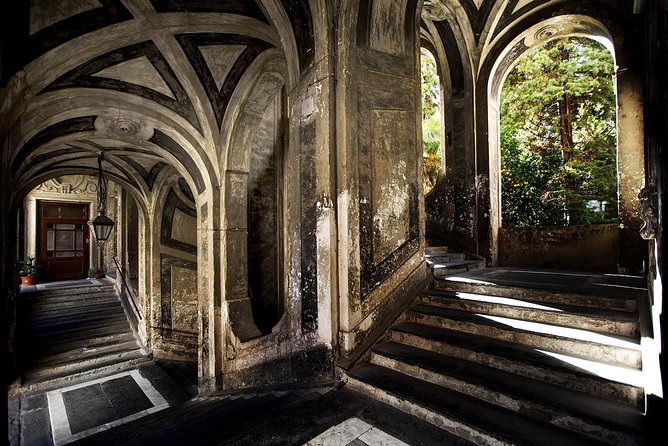
- Twin baroque palazzi that reflect both neglect and renewal: Palazzo San Felice and Palazzo dello Spagnolo
- Major religious art stops including the Veiled Son and a famous nativity scene in Sanità
- Two tastings that feel local: fried pizza (take-away) plus Fiocco di neve with Neapolitan coffee
- Storytelling from prepared guides praised by name, including Rosa, Giovanni, Gianluca, and Giorgia
Porta San Gennaro: starting where Rione Sanità tells time
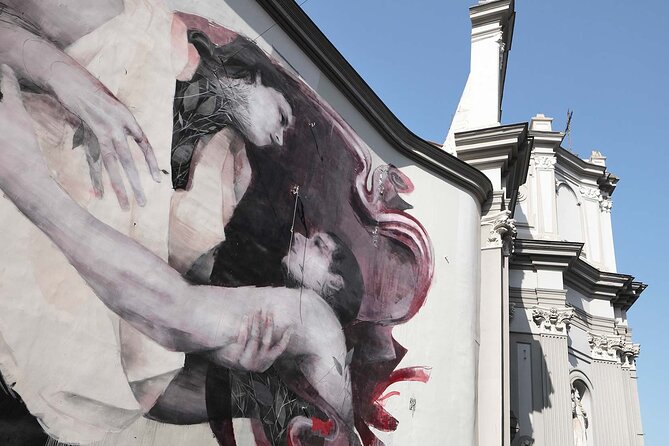
Your tour kicks off right by Porta San Gennaro, in via Porta S. Gennaro, 35. It’s a smart way to begin, because the entrance feels like a boundary between the fast, familiar parts of Naples and the slower, more personal one you’re about to walk into.
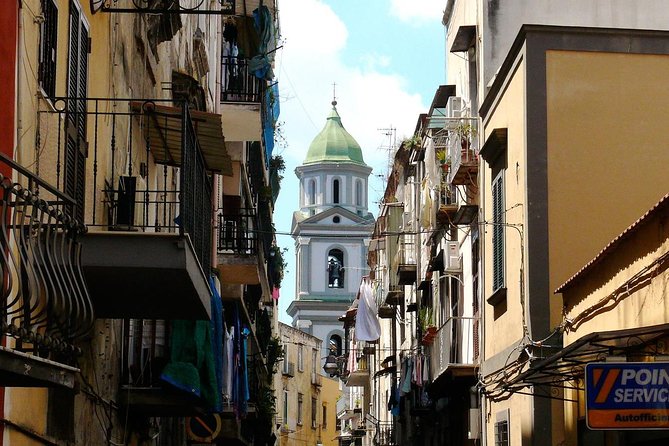
Once you step into the alleys, the place starts giving you contrasts right away: street art right next to baroque beauty, everyday laundry next to grand stonework, and modern pride layered onto older architecture. That contradiction is the point. It’s how the district actually looks, and it’s how the district actually feels.
If you like tours where the meeting point matters, this one does. You’re not starting in a square to watch people. You’re starting at a gateway and moving through the neighborhood’s own narrative.
You can also read our reviews of more food & drink experiences in Naples


Murals, laundry lines, and baroque squares you can’t screenshot
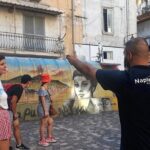
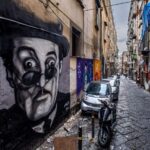
The route is designed for visual variety. You’ll see murals dedicated to Totò and Maradona, two cultural figures that instantly make sense even if you’re not a Naples expert. The street art isn’t just decoration here—it’s a way the neighborhood speaks in the language of today.
Then the scenery shifts toward baroque Naples, especially around squares and church spaces. You’ll notice the guide steering you toward details like color and composition, so your eyes start “reading” the facades like they’re pages.
One very human touch is the mention of the laundry hung out to dry you’ll spot along the way. It sounds small, but it works. It keeps the story grounded. You’re not just viewing art; you’re seeing daily life layered under it.
Palazzo San Felice and Palazzo dello Spagnolo: the twin architectures lesson
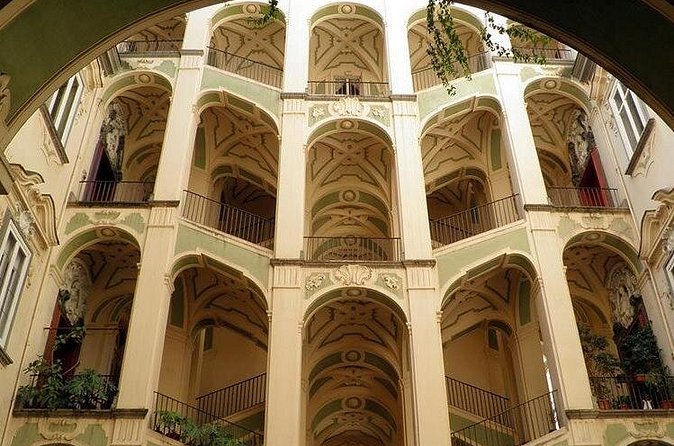
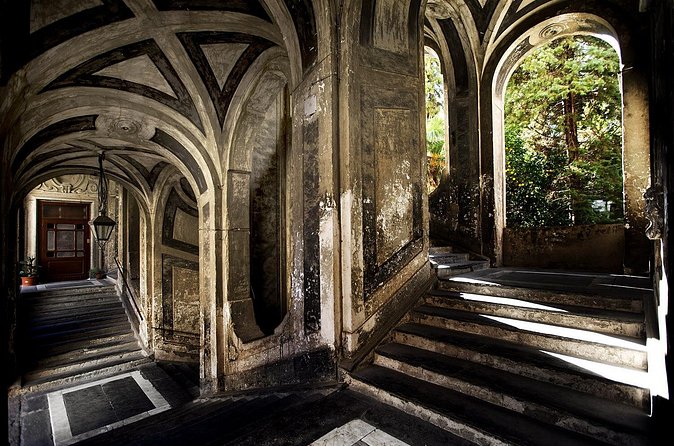
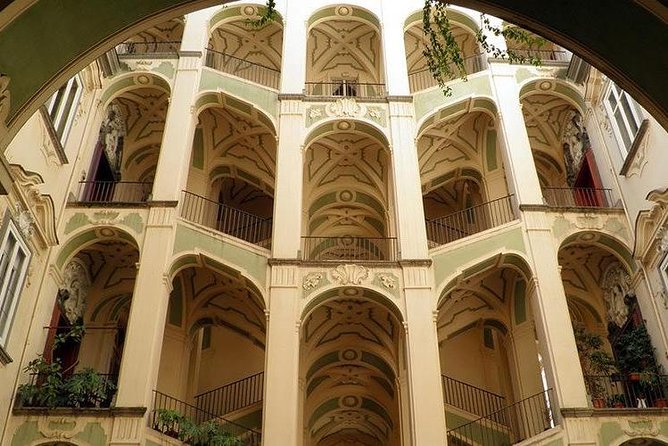
Two major stops anchor the baroque portion of the tour: Palazzo San Felice and Palazzo dello Spagnolo. The tour frames them as twin architectures, and that comparison is useful. Instead of treating each building as a separate highlight, you start seeing a matched pair of how the district changed over time.
You’re also meant to look beyond the pretty part. These palazzi are used to explain something bigger: the district’s decay and rebirth. That theme is repeated throughout the walk, so by the time you reach the baroque masterpieces, it feels earned, not random.
Here’s how to get the most out of this segment: slow down when you’re near the palazzi and look at the overall relationship between streetscape and building presence. The tour doesn’t just point at structures; it connects them to what happened to the community around them.
The neighborhood symbol, churches, and the community’s “rebirth” push
At some point, your expert guide will unveil a symbol of the community, which sets the tone for the rest of the walk. It’s a good pivot because it moves you from visual sightseeing into the human “why” behind it.
From there, the guide talks about the struggle and work of a social cooperative involved in regenerating the neighborhood. You’ll hear how the desire for rebirth shows up everywhere—on walls, in community spaces, and inside religious sites that carry hope forward.
This part of the tour is especially valuable if you’ve ever felt the usual Naples tours skip the messy middle. Here, the “messy middle” is the story. You get a more realistic sense of how neighborhoods don’t change by magic; they change through organized effort and local will.
San Severo and Santa Maria alla Sanità: hope made visible in art
Two names come up that you’ll want to remember: the basilica of San Severo outside the walls and the basilica of Santa Maria alla Sanità. The tour connects both to faith, but also to social meaning.
In San Severo outside the walls, you’ll encounter the sculpture of the Veiled Son. It’s presented as a striking moment on the route—exactly the kind of artwork that rewards paying attention instead of rushing past.
Then comes the nativity scene in the basilica of Santa Maria alla Sanità, described as a symbol of hope and universal integration. That wording matters. It places the art in a broader context than decoration. Even if you’re not religious, this is the kind of moment that makes a neighborhood’s values visible.
In my view, this is one of the tour’s strongest strengths: it doesn’t treat churches as quiet museums. It treats them like living anchors that hold meaning for the district.

Street art, the alley of culture, and books for everybody
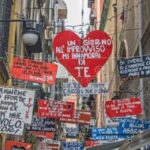
After the major palazzo and church stops, you’ll circle back to street-level creativity. The tour mentions street art and books for everybody in an alley of culture, and that detail captures the district’s direction: community expression isn’t only for artists with big platforms.
This segment is a useful reminder that “revival” isn’t only new paint and restoration. It can be access to learning, shared space, and everyday ways for people to show up and be seen.
If you’re the kind of traveler who likes a tour that explains what you’re looking at, this is where the story starts clicking. The neighborhood’s visuals stop feeling random and start feeling like an ecosystem.
Fried pizza take-away and Poppella’s fiocco di neve with coffee
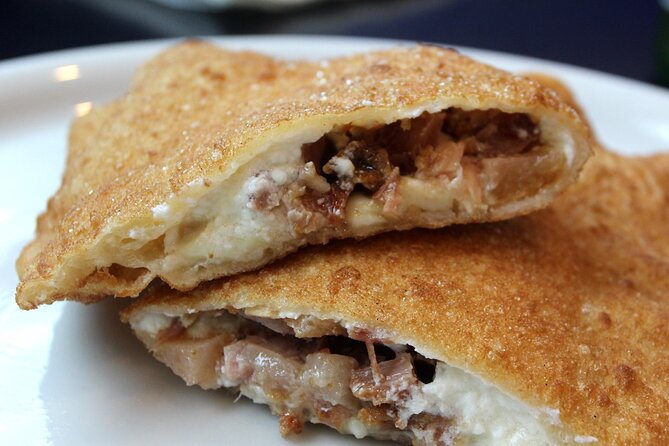
Food is handled in two focused tastings, and both land as classics without turning into a full-on food tour. First up is the typical fried pizza, served take-away in the local style. It’s the kind of snack that fits the walking pace, and it keeps you from breaking the rhythm of the story.
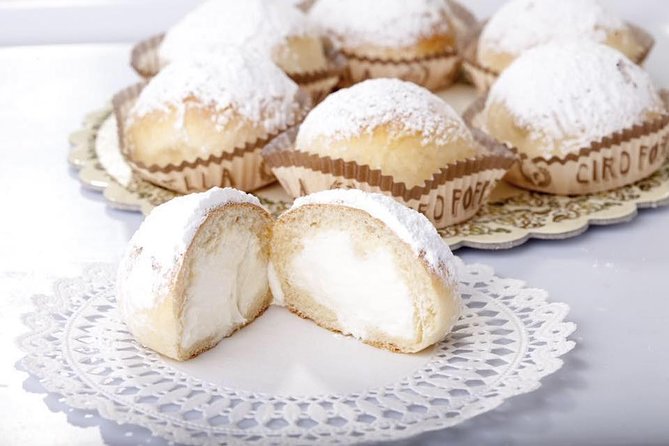
Then you’ll stop for the sweet tasting: Poppella’s fiocco di neve, paired with a real Neapolitan coffee. That combo is perfect for Naples in miniature—creamy sweetness plus strong coffee that wakes you up for the next streetscape.
If you’re picky about texture or you avoid fried foods, this is the one part to think about before you book. But if you like trying local favorites the way locals would, this is a genuinely satisfying payoff.
Price and value: $47 for a 2-hour story-driven neighborhood walk
At $47 per person for a 2-hour tour, the value comes from three things: a local expert guide, a tightly packed route, and included food tastings. You’re getting more than a stroll—you’re getting an explanation of what you’re seeing, why the district looks the way it does, and what the community is trying to change.
Also, this is a tour format that benefits from a small group. It lists sizes starting around 6 participants and up, which usually means you can hear the guide and stay close enough to follow the narrative without feeling like cattle.
No transportation is included, which matters. You’ll want to already be near the meeting point or comfortable navigating to Porta San Gennaro before the tour begins. Once you’re there, the walking route does the work for you.
Language options are solid too: English, Italian, and Spanish. And based on guide names that come up in feedback—Rosa, Giovanni, Gianluca, and Giorgia—expect the guides to bring energy and preparation, not just a script.
What to expect from the pace and route style
The tour is structured around short segments and frequent “look here” moments. That makes sense in Rione Sanità, because so much of the district’s story is visual. Murals, church art, and architecture are the learning tools.
Because it’s only 2 hours, you won’t have time for long, slow detours. I’d treat it as a guided orientation to the district: you’ll finish with a much clearer sense of what belongs together—baroque grandeur, street art, everyday life, and the neighborhood’s rebirth mission.
As with any walking tour in a dense city district, dress for comfort. You’ll be on your feet, moving between exterior viewpoints and church-related stops as part of the experience.
Who should book this Rione Sanità tour (and who might not)
This tour is best for you if you want Naples that goes beyond the standard highlights. If you like art that has a social backbone—murals with meaning, palazzi tied to the story of restoration, and religious artworks linked to hope—this walk will suit your interests.
It’s also a great fit if you want food included without turning the day into a long tasting marathon. You’ll get fried pizza take-away and Fiocco di neve with coffee, then you’ll move right back into the neighborhood story.
If your priority is classic sightseeing icons with lots of open space, this might feel more intense. It’s alley-focused, detail-focused, and story-focused. For some people that’s exactly the point; for others, it’s too much going on at once.
Should you book? My take on the decision
Book it if you want Rione Sanità with context—the kind where street art, baroque churches, and architecture connect to a clear theme of community revival. At $47 for 2 hours, the tastings plus an expert guide make it feel well-paced rather than overpriced.
Skip it if you’re mostly interested in beaches, grand monuments, or you can’t do walking through compact neighborhood streets. Also think twice if fried pizza and sweet pastries don’t work for you, since both tastings are part of the experience.
If you’re curious about Naples as a living place—where the old and new argue, cooperate, and share the same walls—this tour is a strong choice.
FAQ
How long is the Rione Sanità tour?
It lasts 2 hours.
Where does the tour start?
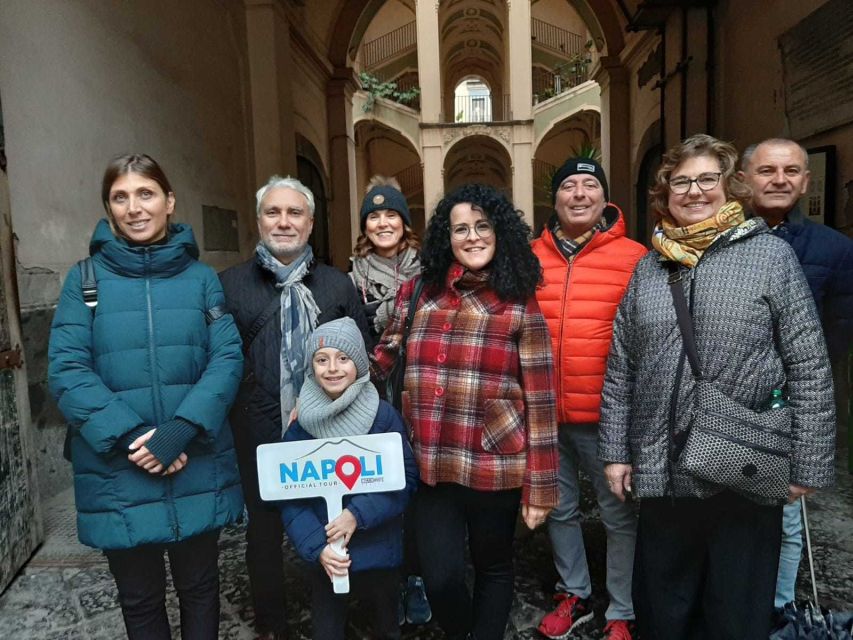
The meeting point is next to Porta San Gennaro in via Porta S. Gennaro, 35. Your guide will wait holding a sign with your name.
How much does the tour cost?
The price is $47 per person.
What tastings are included?
You’ll get a fried pizza take-away tasting and a sweet tasting of Poppella’s fiocco di neve plus Neapolitan coffee.
Is transportation included?
No. Transportation is not included, so you’ll need to make your own way to the meeting point.
What languages is the tour offered in?
The live guide is available in English, Italian, and Spanish.
How big are the groups?
The tour is listed with groups starting from 6 participants and on.
Is there free cancellation?
Yes. You can cancel up to 24 hours in advance for a full refund.
Can I reserve now and pay later?
Yes. The option to reserve now and pay later is offered.
What’s the general route focus?
You’ll see a mix of Neapolitan baroque and street art in Rione Sanità, plus stops connected to major church art and the neighborhood’s rebirth story.