
REVIEW · AMSTERDAM
Museum Villa – Amsterdams new contemporary art museum
Book on GetYourGuide →Operated by Museum Villa · Bookable on GetYourGuide
Contemporary art, in a real Amsterdam house. I love the 12-room flow and how the historic Ingenieurswoning building makes the whole experience feel personal. One key drawback: Villa is reached by stairs only, so it’s not a good fit if you rely on a wheelchair, walker, or stroller.
For around $21, you get access to 15 artworks across 12 rooms, with extra touches for kids like a treasure hunt. Expect a small-scale, intimate setup where you can slow down, stare closely, and actually connect with what you’re seeing.
In This Review
- Key things you’ll notice right away
- The Ingenieurswoning setting: art inside a former gasworks engineer’s home
- Your one-day plan: 12 rooms, 15 works, and time to slow down
- Room by room: how the museum design changes what you notice
- The artists: what each style does to your brain
- The museum experience for kids: treasure hunt and sensory moments
- Location and vibe: Westergas park energy near central Amsterdam
- Price and value: why $21 can feel like a good deal here
- Who should book Museum Villa (and who might prefer something else)
- Should you book Museum Villa in Amsterdam?
- FAQ
- How much is Museum Villa?
- How long is the Museum Villa visit?
- What do I get when I visit?
- Is Museum Villa suitable for wheelchair users?
- Are luggage or large bags allowed inside?
- Are pets allowed?
- What languages are available with the host or greeter?
- What if I can’t visit on my own?
- Is free cancellation available?
Key things you’ll notice right away
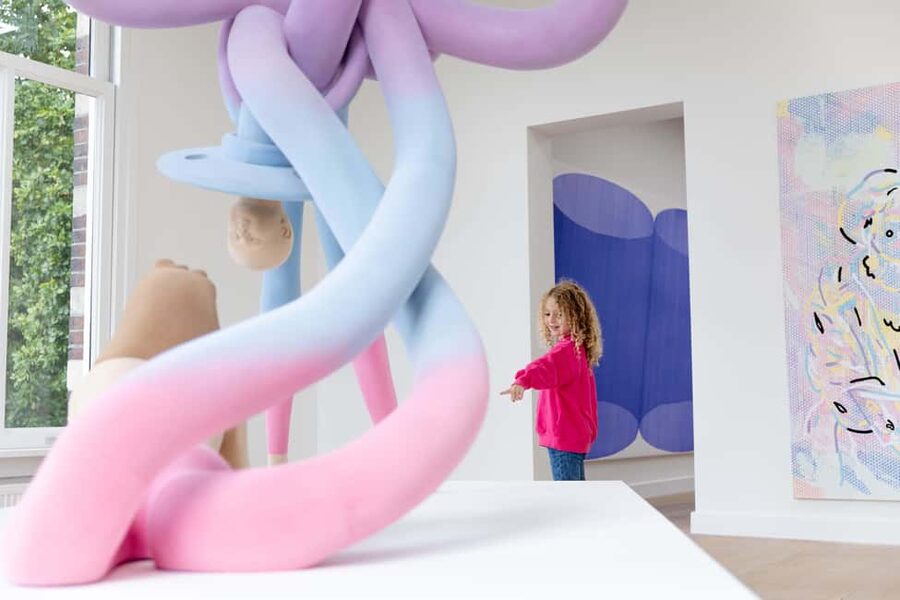
- A house-style layout in a former gasworks engineer residence
- 12 rooms that shape your pace, not a single long gallery sprint
- 15 contemporary works spread out for close looking
- Big-name feeling without the big-museum vibe
- Family extras: kids treasure hunt plus sensory art moments
The Ingenieurswoning setting: art inside a former gasworks engineer’s home
Museum Villa sits in North Holland, but the address feels like Amsterdam first: right in the city, in the Westergas area. The building itself is called the Ingenieurswoning, the old residence of the engineer behind the gasworks. That matters more than you might think, because it changes how the art lands.
Instead of white walls shouting at you, you get a structure that already has presence: high ceilings and generous proportions. The restoration keeps the building’s original character, while bringing back warmth in the details. So you’re not just viewing art—you’re walking through an architectural “container” that guides how you feel in each room.
I like museums where the building helps the story. Here, the house-like scale makes contemporary art feel less like a lesson and more like something you can meet on its own terms.
You can also read our reviews of more museum experiences in Amsterdam


Your one-day plan: 12 rooms, 15 works, and time to slow down

This is a straightforward day trip. You’re there for a one-day visit, with starting times you’ll need to check for availability. Once inside, you’ll move room to room through 12 rooms, encountering 15 state-of-the-art artworks by contemporary artists.
There’s no need to rush. The layout is designed so you can linger, go back to a piece you can’t stop thinking about, or simply watch how light changes the way a sculpture reads from different angles. That slow rhythm is the point.
Here’s how the experience typically feels as you go along:
- Start by getting your bearings: The museum’s design nudges you to look at materials, light, and space—not just the object in front of you.
- Then shift into variety: You’ll encounter different kinds of contemporary work, from sculptures and close-up details to pieces that play with perception.
- Finish with a “what did I notice?” moment: By the time you reach the later rooms, the earlier works start to make more sense because you’ve trained your eyes on how the museum is thinking.
Possible drawback to plan for: it’s not a “grab a map and hit highlights in 20 minutes” kind of museum. If you only like fast, blockbuster-style viewing, this might feel too paced.
Room by room: how the museum design changes what you notice
The museum is described as cozy, home-like, and designed so the room is part of the artwork experience. That’s not just marketing language. The way you move—through 12 distinct spaces—encourages you to treat each room like a chapter.
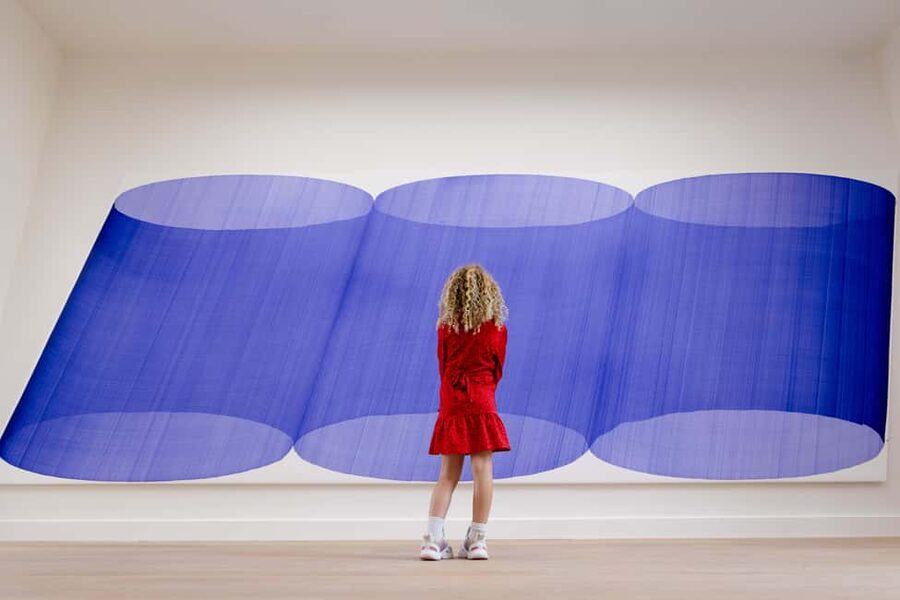
Each room spotlights artworks in a way that’s easy to follow. Instead of feeling like every piece is competing for your attention, the museum asks you to notice a smaller set of ideas per room: how a form sits in space, how a surface changes in your peripheral vision, or how a small shift in viewpoint reveals new meaning.
One practical tip: give yourself a little time for the “in-between moments.” In places like this, the most interesting stuff often happens while you’re walking from one room to the next—when you’re comparing how the building’s light affects what you just saw.
If you’re the type who likes to understand art through explanation alone, you may still enjoy it. But the format here rewards self-guided looking. The payoff is that you feel ownership over your interpretation, not just someone else’s.
The artists: what each style does to your brain

Villa includes work by several contemporary artists, and the range is part of the fun. If you’ve ever felt like modern art is too far away, this is built to feel more approachable.
Here’s what each artist brings to the mix:
- Elsemarijn Bruys
Bruys works with perception and space, using sculptures and installations that make you feel the art as you move. In practice, this means you don’t just view—your path around the piece becomes part of the meaning.
- Levi van Veluw
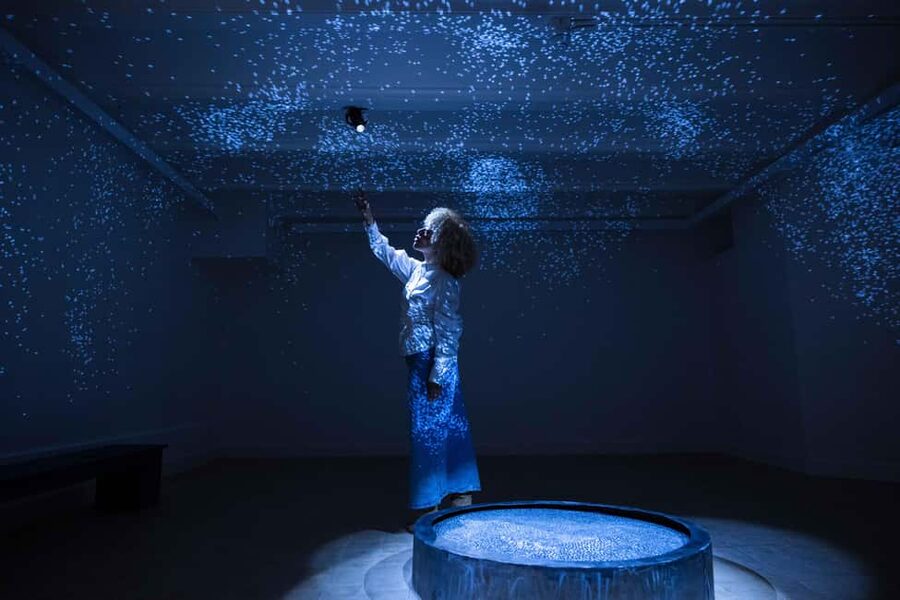
Van Veluw leans into light, memory, and symmetry. The result is quiet intensity: you’ll likely find yourself slowing down because the work asks for patience rather than loud reactions.
- Folkert de Jong
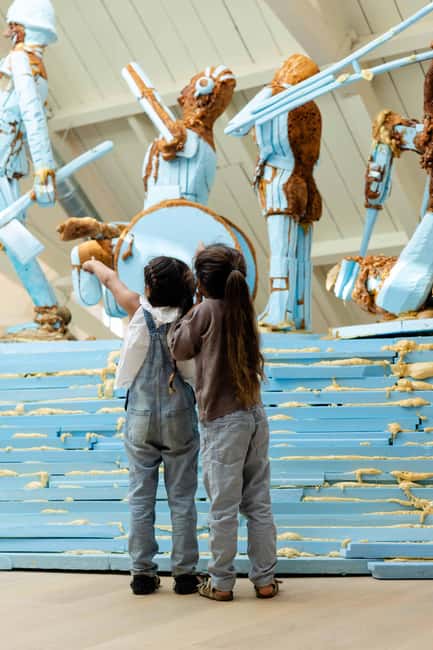
De Jong brings large-scale, uncanny scenes that pull you closer. This is where you get that moment of unease or surprise—without it being so abstract that you can’t form a reaction.
- Max Siedentopf
Siedentopf mixes humor with surprise, often turning everyday objects into playful prompts. This is a nice pressure release after heavier pieces, and it keeps the museum from feeling like one long mood.
I like that the museum doesn’t force a single style. You get different emotional temperatures—wonder, curiosity, reflection—so your visit doesn’t flatten into one continuous vibe.
The museum experience for kids: treasure hunt and sensory moments

If you’re visiting with children, Villa has built-in extras. There’s a kids treasure hunt, which helps younger visitors stay engaged without needing adults to turn into full-time explainers.
You’ll also find sensory art installations. The word sensory here is a clue about the format: you’re likely to encounter art that connects through more than just visuals. That makes it easier for kids (and adults who like hands-on) to interact with what they’re seeing.
In families, this kind of setup reduces the usual problem: “We’re here, but nobody is having fun.” Villa gives everyone something to do while still keeping the art experience respectful and self-guided.






Location and vibe: Westergas park energy near central Amsterdam
A lot of Amsterdam museums feel either downtown-crowded or tucked away in quiet corners. Villa lands in the middle: it’s on the Westergas site, and the surroundings have a park-like feel.
That’s great for two reasons:
- You can make a museum visit feel like a real outing, not just a quick stop between crowds.
- You get a more local Amsterdam atmosphere than the busiest tourist streets near the very center.
One more plus: it’s close to the train station/center area, so you don’t have to spend your whole day on transport. You can treat Villa like a highlight without turning it into a logistics-heavy mission.
Price and value: why $21 can feel like a good deal here
At about $21 per person, Museum Villa sits in a mid-range category for Amsterdam. The value comes from how the experience is structured:
- Small-scale, intimate presentation: You’re not wandering through huge galleries with thousands of distractions.
- Room-by-room attention: With 12 rooms and 15 artworks, you’re getting variety without losing the feeling of closeness.
- More than just viewing: Kids treasure hunt and sensory installations add layers beyond static paintings or prints.
If your ideal museum day includes lingering—standing close to sculpture, watching how a work changes with your angle—this is likely worth it. If you prefer heavy historical context tours and hours of guided lecture-style interpretation, Villa may feel more about your own looking than about facts.
Who should book Museum Villa (and who might prefer something else)
This is a great fit if you:
- Like contemporary art but get tired of museums that feel cold or intimidating.
- Want a more human pace—walking through 12 rooms designed for slower attention.
- Are traveling with kids and want a museum that doesn’t only work for adults.
It may be less of a fit if you:
- Need step-free access. Villa is not visitable with a wheelchair, walker, or stroller because it can only be reached by stairs.
- Only want fast, “see the top things and leave” sightseeing.
Also, if you enjoy that mood that people often associate with Museum Voorlinden, Villa offers a similar idea of contemporary art in a comfortable setting—just on a smaller scale, right in Amsterdam.
Should you book Museum Villa in Amsterdam?

Yes, you should book if you want contemporary art that feels approachable and thoughtfully placed inside a building with character. The combination of a historic Ingenieurswoning, a cozy 12-room route, and an artist mix that ranges from perception games to uncanny scenes makes this more than a standard museum stop.
Before you go, double-check your mobility needs since stairs-only access is a real constraint. If stairs work for you, this is the kind of one-day Amsterdam activity that leaves you with real afterthoughts, not just a list of artworks you briefly scanned.
If you want, tell me what dates you’re considering and whether anyone in your group needs step-free access—I can help you plan the best way to fit Villa into your day around Westergas.
FAQ
How much is Museum Villa?
The price listed is $21 per person.
How long is the Museum Villa visit?
The duration is 1 day.
What do I get when I visit?
Your access includes 12 rooms transformed by contemporary artists, an art experience, a kids treasure hunt, and sensory art installations.
Is Museum Villa suitable for wheelchair users?
No. Villa is not visitable with a wheelchair, walker, or stroller.
Are luggage or large bags allowed inside?
No. Luggage or large bags are not allowed.
Are pets allowed?
Pets are not allowed (assistance dogs are allowed).
What languages are available with the host or greeter?
The host or greeter can speak Dutch and English.
What if I can’t visit on my own?
If you are unable to visit on your own, you should reserve a free companion ticket.
Is free cancellation available?
Yes. You can cancel up to 24 hours in advance for a full refund.