REVIEW · ROME
Rome: Express Golf Cart Tour – City Essentials in 90 Minutes
Book on GetYourGuide →Operated by LessStressTours · Bookable on GetYourGuide
Rome hits fast, then moves on.
This 90-minute Rome express golf cart tour is built for getting your bearings quickly, with major monuments plus a few Rome-buzz stops that many people miss. I like the pace and comfort: you cover a lot of ground in an easy ride, and your guide (including Vladimir and Vitality, mentioned in guest feedback) keeps the stories practical and human, not just dates.
My other favorite part is the mix of icons and “wait, this is here too?” moments, from the Theatre of Marcellus to Piazza Navona. The one potential drawback: with only 1.5 hours, you’ll be taking photos and getting snapshots at each site, not doing deep, slow exploring like you would on a full-day tour.
In This Review
- Key reasons this tour works
- First impressions: a Rome overview you can actually finish
- Where you meet and how to spot the green cart
- Colosseum and Palatine Hill: the main stage, minus the marathon
- Circus Maximus to Theatre of Marcellus: seeing Roman spectacles in one run
- Piazza Venezia to Campo de’ Fiori: power to street life
- Pantheon and Trevi: two icons, one practical strategy
- Spanish Steps and Piazza Navona: classic scenes with energy
- The guides: storytelling that actually helps you see
- What the 90 minutes feels like in real life
- Price and value: what $66 buys you
- What to bring so the tour doesn’t feel rushed
- Who should book this Rome essentials tour
- Should you book the Rome Express Golf Cart Tour?
- FAQ
- How long is the Rome Express Golf Cart Tour
- How much does the tour cost
- Where do I meet the guide
- Where does the tour end
- What’s included in the price
- What’s not included
- What languages are available for the guide
- Is the tour wheelchair accessible
- What should I bring
Key reasons this tour works
90-minute, fast-paced route that hits multiple must-sees without exhausting walking
Electric golf cart comfort in Rome’s traffic and uneven sidewalks
Stops that connect the dots between emperors, everyday life, and modern Rome
Small-group feel with personal attention from your live guide
Photo-friendly timing at major landmarks like Trevi and the Spanish Steps
Local touches that can include food moments like rice balls when time allows
First impressions: a Rome overview you can actually finish
If you’ve ever landed in Rome, checked your watch, and thought: I need the highlights but I can’t walk all day, this is the format you want. The tour is designed for short time windows—new visitors, cruise-day schedules, or anyone who just wants the big picture quickly.
The ride matters. Rome’s center can be crowded and slow, and the golf cart approach keeps you moving while still stopping enough to look up, take photos, and listen. You’re not stuck in a bus line, and you’re not playing full-day walking roulette either.
You can also read our reviews of more city tours in Rome
Where you meet and how to spot the green cart
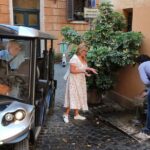
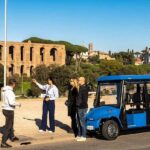
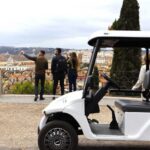
You’ll meet your guide above the Colosseum metro station, near the taxi stand and Caffè La Biga. Look for the recognizable green golf cart on the top level, since the area can feel busy right at the start.
The tour’s listed starting location is in the Colosseum area (Largo Gaetana Agnesi), so treat the meeting point as the practical place you should aim for. Plan to arrive a few minutes early so you’re not rushing when you’re trying to find the cart and get settled.
Tip: bring water and a camera, because the stops are frequent enough that you’ll want both hands free. Comfortable shoes are still a good idea, since you’ll likely step out for photos and quick viewing.
Colosseum and Palatine Hill: the main stage, minus the marathon
The tour starts at the Colosseum with a photo stop and guided sightseeing. Even if you’ve seen pictures before, it lands differently up close—this is the kind of place where your brain suddenly switches from tourist mode to history mode.
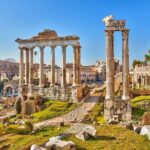
Right after, you’ll move toward Palatine Hill for a photo stop and sightseeing, with a pass-by depending on timing. Palatine is where Roman power concentrated, and having it pointed out on a fast timeline helps you understand why the city grew where it did.
The tradeoff you should know: this isn’t an in-depth Colosseum session inside the structure. You’ll get the overview and the why behind it, but you won’t have the time to wander every corridor or read every detail at length.
Circus Maximus to Theatre of Marcellus: seeing Roman spectacles in one run
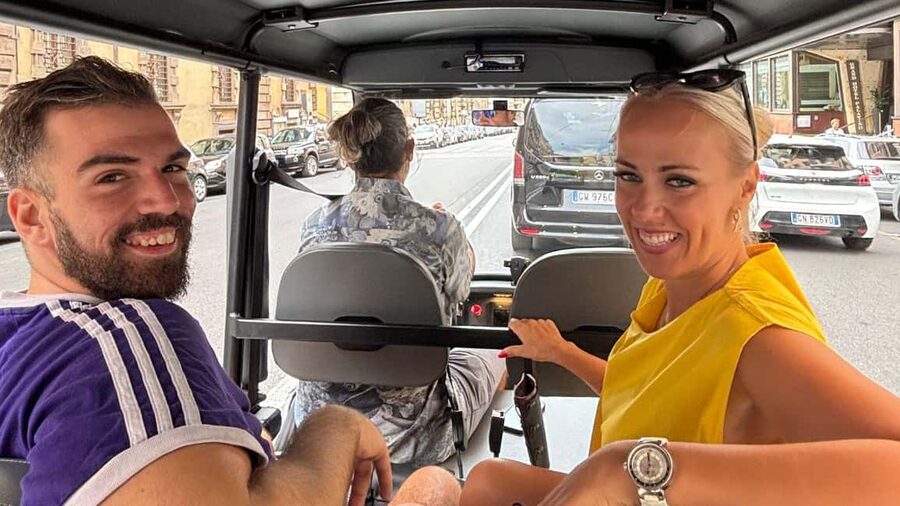
Rome loves big entertainment spaces, and this part of the tour shows it. You’ll have a photo stop at Circus Maximus, where chariot racing once pulled crowds by the thousands.
Then comes Theatre of Marcellus, a site many people skip. It’s described as a mini-Colosseum, and that comparison helps you picture the scale without needing a full museum-level visit. You’ll likely get a clear sense of how Roman architecture borrowed from older ideas and then refined them for spectacle.
This section is one reason I like the express format. Your guide can explain the story thread—how entertainment, politics, and public space all reinforce each other—while you’re still fresh enough to pay attention.
Piazza Venezia to Campo de’ Fiori: power to street life
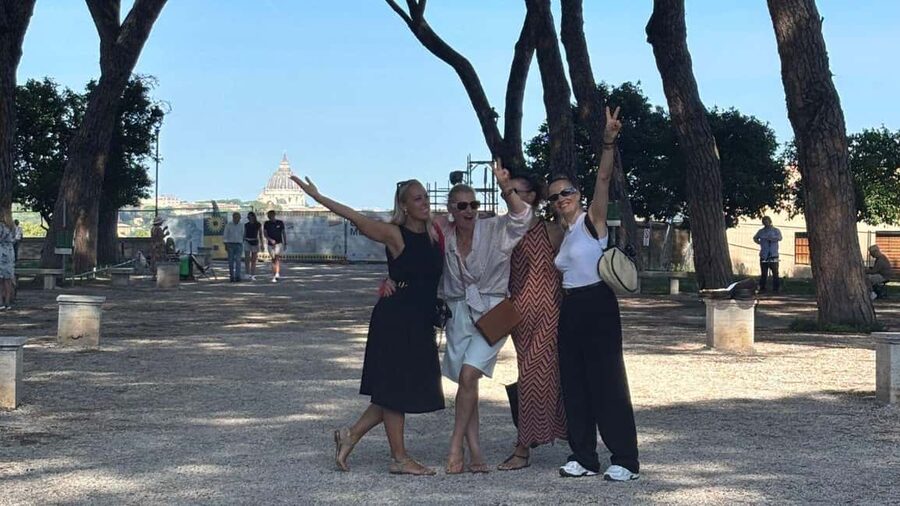
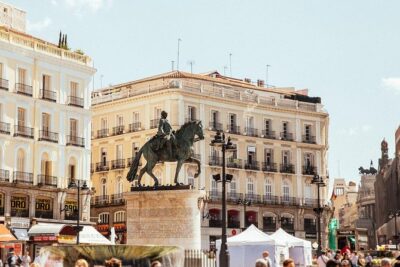
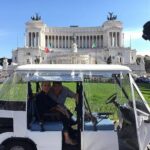
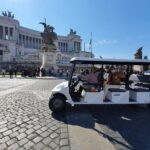
From the Roman monumental zone, you’ll shift into the center of everyday Rome. Piazza Venezia is an important stop, and you’ll see the Vittoriano, a landmark connected to Italian unity.
Next you’ll pass by Campo de’ Fiori for a photo stop and sightseeing. This is the kind of square that feels alive because it’s part of daily city life, not just a monument zone. Even in a short time, your guide can help you spot what makes these squares work: location, movement, and how people actually use them.
The benefit here is pacing. After the heavy hitters, you get a different texture of Rome. The drawback is that these are still quick stops, so if you want to shop, linger, or people-watch in depth, you’ll need extra time beyond the 90 minutes.


Pantheon and Trevi: two icons, one practical strategy
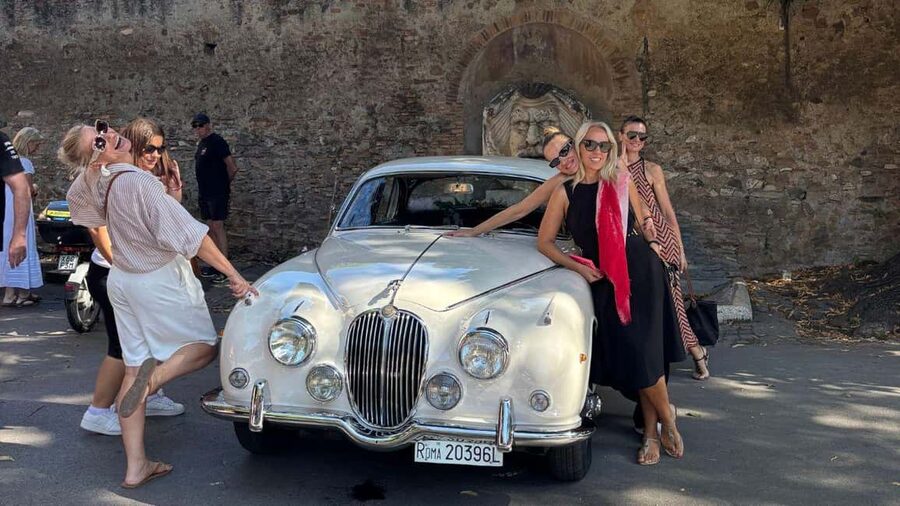
Pantheon is on the route, with a photo stop and guided sightseeing. You’ll get the classic exterior moment and enough context from the guide to make it more than just a photo op. For many first-timers, it’s the stop where the tour starts to click—this is where Rome feels both historic and shockingly alive.
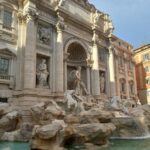
Then comes Trevi Fountain, again with a photo stop and guided sightseeing. Trevi is famously busy, and the express structure is smart here because you’re not trying to fight through hours of crowds on foot. You’ll still want to plan your photos well: quick shots, then listen while your guide points out what you’re seeing.
If crowds are a concern for you, this tour style can feel like a stress-reducer. You get the must-sees without spending your whole day stuck in the densest areas.
Spanish Steps and Piazza Navona: classic scenes with energy
The final major stops lean into Rome’s most photogenic squares. You’ll reach the Spanish Steps for sightseeing and then finish at Piazza di Spagna.
Piazza Navona is next on the itinerary, where you’ll have another photo stop and guided sightseeing. This is one of those places where the vibe changes fast depending on the time of day—music, street motion, and people lingering for no reason other than it’s a great square.
One practical note: the tour is designed for 1.5 hours total, so these last stops can feel like a sprint. If you want to catch the best angles or do a second round of photos, you may need to move efficiently once you park. Your guide’s pacing will matter a lot here.
The guides: storytelling that actually helps you see
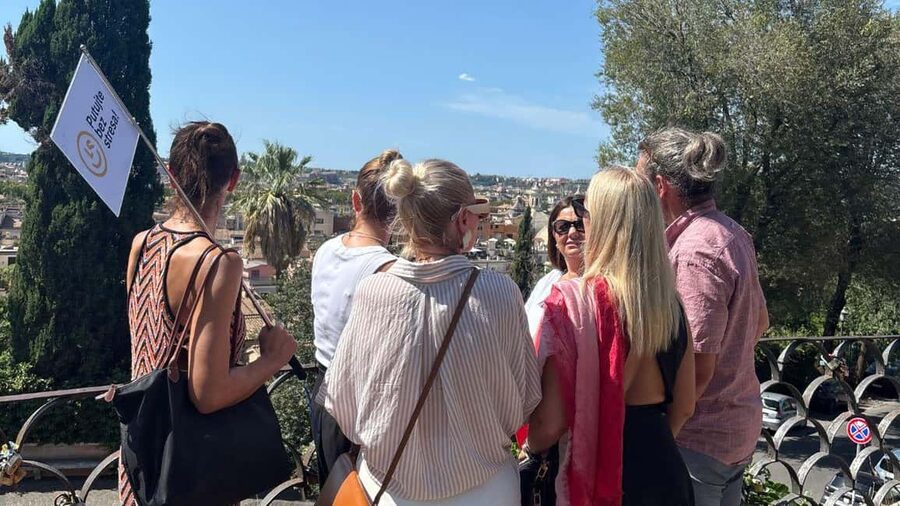
What makes this tour stand out isn’t just the route—it’s the way the guide frames each stop. Guest feedback highlights knowledgeable, enthusiastic guiding with real personality, and names like Vladimir, Ana Nada, and Vitality show up in the experience descriptions.
In one case, a guide worked in a local food moment that included the famous rice balls. That’s the kind of small add-on that can make a short tour feel special, because it adds a texture you don’t get from a simple drive-by.
Even if food isn’t part of every run, the guiding style is consistent: you’re getting context you can carry into the rest of your Rome days. By the time you walk away, you usually know what you just saw and why it matters.
What the 90 minutes feels like in real life
This tour is short by design, and that’s the whole point. You’ll spend brief periods at each stop—photo time plus guided explanation—so the experience stays energetic and avoids the slow burnout that can happen on longer sightseeing days.
A good way to think about it: you’re buying an orientation course. It’s not the same as spending hours inside sites, but it gives you enough structure that your independent exploring later becomes easier.
If you’re traveling with seniors, couples on a tight schedule, or anyone who wants to skip the “where are we?” stage, this time-boxed layout helps you use Rome efficiently.
Price and value: what $66 buys you
At $66 per person for 1.5 hours, the price lands in the “worth it if you use it well” category. You’re paying for three things that matter in Rome:
1) Time saved by covering many areas without long walks between monuments
2) Guided context so your photos don’t become just selfies with no meaning
3) Comfort from an electric golf cart, especially in crowded or uneven pedestrian areas
If you have plenty of time in Rome, you might skip paid transport and do it yourself. But if your schedule is tight—cruise day, layover, or the kind of trip where you want one paid overview and then freedom—this price is easier to justify.
Also, the small-group format can add value because it tends to keep the stops feeling more personal, even during a fast run.
What to bring so the tour doesn’t feel rushed
This is a short tour, so packing light helps. Bring comfortable shoes, a camera, and sunscreen. Water is also a must because you’re outdoors for frequent stops.
If you’re sensitive to heat, think ahead. Rome can move from pleasant to intense quickly, and you’ll be outside for photos and walking a bit around entrances.
Who should book this Rome essentials tour
This is a smart match if you’re:
- New to Rome and want a fast overview of the big landmarks
- On a cruise day or any tight schedule
- Traveling as a couple, or with seniors who don’t want long walking blocks
- Someone who likes guided storytelling but doesn’t have time for a full-day tour
It’s also useful if you like your sightseeing with a plan. You’ll get a route that covers Colosseum-area classics and then sweeps into central squares like Piazza Navona, which means you leave with a sense of where everything is relative to each other.
Should you book the Rome Express Golf Cart Tour?
Yes, if your main goal is getting the big picture of Rome in a short time with comfortable transport and a guide who makes the stops make sense. I’d book it when you want to leave with clarity, not just photos.
Be cautious if you’re the type who wants to slow down and explore deeply at one site for a long time. The tour is built for snapshots, so if you’re craving long museum-style time inside monuments, you’ll still want additional independent time after.
If you’re on the fence, ask yourself one question: do you need Rome orientation more than you need detailed exploration? If the answer is yes, this 90-minute Rome golf cart tour is a practical way to make your limited hours count.
FAQ
How long is the Rome Express Golf Cart Tour
It lasts 1.5 hours (90 minutes).
How much does the tour cost
The price is $66 per person.
Where do I meet the guide
Meet above the Colosseum metro station, by the taxi stand and Caffè La Biga. Look for the green golf cart on the top level.
Where does the tour end
The tour finishes at Piazza di Spagna.
What’s included in the price
The tour includes the 90-minute golf cart tour and a live tour guide.
What’s not included
Hotel pickup and drop-off are not included.
What languages are available for the guide
English, Serbian, Serbo-Croatian, Croatian, and Bosnian.
Is the tour wheelchair accessible
Yes, it is wheelchair accessible.
What should I bring
Bring comfortable shoes, a camera, sunscreen, and water.