REVIEW · MYSORE
Mysore Palace + Jaganmohana Art Gallery + Devaraja Market = Mysore Heritage Walk
Book on Viator →Operated by Bangalore and Beyond · Bookable on Viator
Mysore’s palace streets feel personal on foot. This 3 to 4 hour heritage walk strings together the three big symbols of Mysore city life: the Mysore Palace, the Jaganmohana Art Gallery, and the busy Devaraja Market. The route is designed so you’re not stuck in traffic—just moving block to block and seeing how royal Mysore meets everyday Mysore.
I love two things most here. First, I like that entrance tickets are handled as part of the experience, so you don’t burn time at multiple counters. Second, I like how the tour frames what you’re seeing with stories about the royal lineage and cultural meaning inside the sites.
One drawback to plan for: it’s a short, focused tour, and at $28.35 per person it may feel a bit steep if you’re used to self-guided palace visits.
In This Review
- Key highlights to know before you go
- Why this Mysore heritage walk works better than a taxi loop
- Stop 1: Mysore Palace at the Varaha South entrance gate
- Stop 2: Jaganmohana Palace and Sri Jayachamarajendra Art Gallery
- Stop 3: Devaraja Market for the sights, shopping energy, and local flavor
- Price and value: what $28.35 buys you (and what it doesn’t)
- Timing, group size, and how to plan your day
- Shoes, socks, and the small things that decide whether you enjoy it
- Who this Mysore heritage walk is perfect for
- Should you book this Mysore Heritage Walk?
- FAQ
- FAQ
- What is included in the tour price?
- How long does the Mysore Heritage Walk take?
- Where does the tour meet, and where does it end?
- Is there parking and where do tickets get sold?
- Do I need to remove my shoes?
- What if the weather is bad or I need to cancel?
Key highlights to know before you go
- Varaha South Gate is your anchor point: that’s where the guide meets you, where parking is available, and where tickets are sold.
- Shoe rules inside two stops: you’ll need to take your shoes off at both the Mysore Palace and the art gallery; spare socks are suggested.
- Jaganmohana’s art spans major names: collections include works connected with Raja Ravi Verma and Nikolai Roerich, plus pieces by Haldenkar.
- Devaraja Market is the quick, colorful reset: it’s included with free admission and a shorter 45-minute stop.
- Small group pace: the tour caps at 10 people, which makes it easier to ask questions and keep moving.
- Mobile ticket for smoother entry: you’ll use a mobile ticket rather than carrying paper.
Why this Mysore heritage walk works better than a taxi loop
Mysore has a laid-back feel that you notice more when you walk. When you’re on foot, you can pick up the rhythm of the city—how people move around the palace area, how the market energy shifts, and how the royal sites sit right within daily life.
The other big win is timing. This tour packs three stops into about 3 to 4 hours, and it’s structured so you transition between major sights without wasting half your day coordinating. If you’re the type who gets more out of places when a guide points out what matters, this format is a good match.
You can also read our reviews of more walking tours in Mysore
Stop 1: Mysore Palace at the Varaha South entrance gate
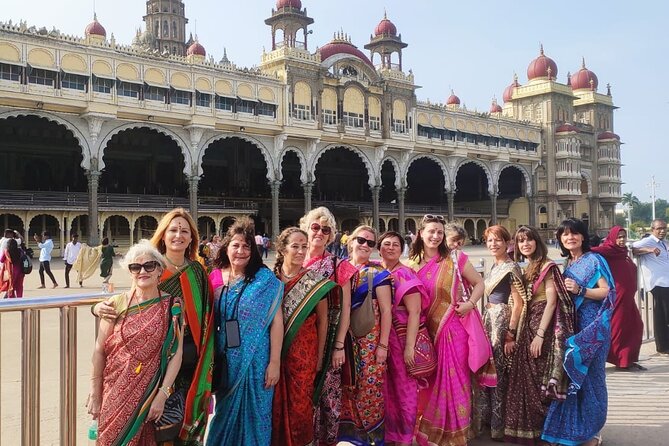
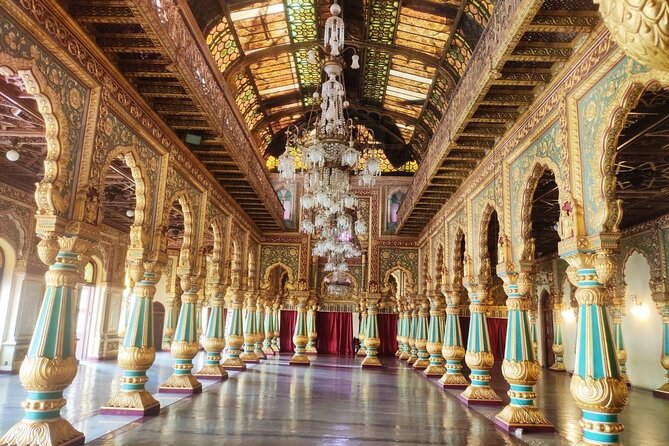
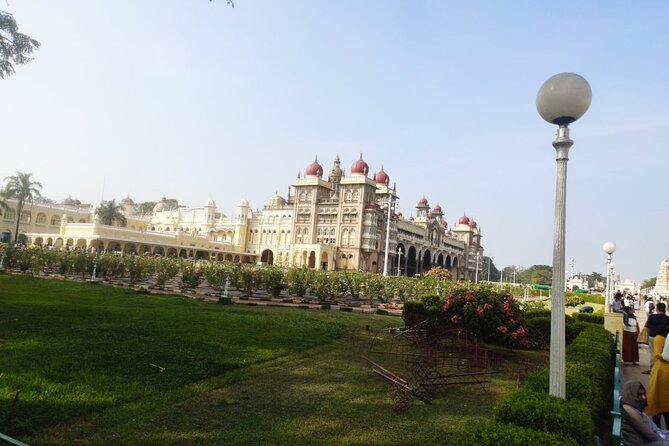
The experience starts at the Mysore Palace area, with the guide meeting you at the Varaha South entrance Gate. That gate is not just the meeting point—it’s also where vehicle parking is available and where tickets are sold. In other words, everything funnels through the same spot, which saves hassle.
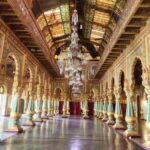
Once you’re inside, plan for a longer, guided visit at roughly 1 hour 30 minutes. This is the stop built for big impressions: Mysore Palace is described as extravagant, and you’ll spend enough time to see it as more than a photo backdrop. The guide’s job is to connect the palace details to royal life—so you don’t just look at rooms, you understand why they matter.
One practical rule here matters more than you’d think: you’ll need to take your shoes off at Mysore Palace. It’s suggested to bring spare socks, and I agree—socks can turn a mildly annoying rule into a non-issue.
A small-group pace helps too. Because the tour holds up to 10 people, you’re less likely to get swept along behind a crowd. You can stop and ask questions when something catches your eye, and the guide can keep the group moving at a steady rhythm.
Stop 2: Jaganmohana Palace and Sri Jayachamarajendra Art Gallery
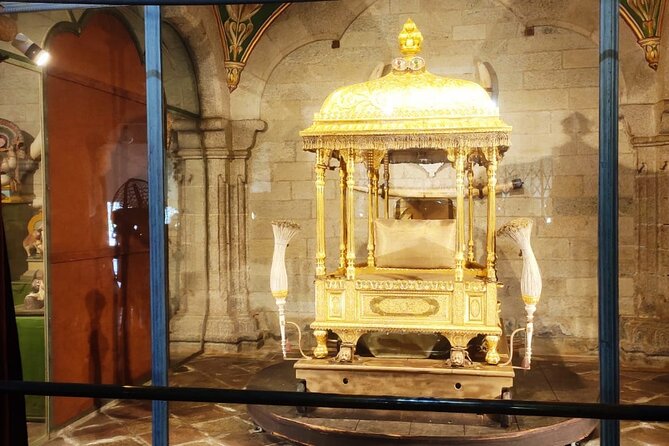
After the palace, you shift to art and cultural storytelling at Jaganmohana Palace, also known as the Sri Jayachamarajendra Art Gallery. This palace was built in 1861, and the tour gives it about 1 hour—enough time to focus without rushing.
What makes this stop especially strong is the way the collections are presented. The gallery is described as housing notable paintings associated with major artists, including Raja Ravi Verma and Nikolai Roerich, plus works by Haldenkar. If you’re a person who likes art but doesn’t know where to start, having a guide frame what you’re seeing can make the room feel easier to read.
There’s also an auditorium included in this stop. Even if you don’t spend your time thinking about performance halls, it adds variety to the visit. You get out of the palace-photo mode and into a slower, more interpretive experience.
Again, shoes off applies here. You’ll remove footwear at both the Mysore Palace and the art gallery, so your socks strategy matters. If you skip spare socks, you might end up feeling distracted—wondering about your comfort instead of focusing on the art.
The guide approach is a big part of the value. In the strongest versions of this tour, guides explain artifacts and connect the symbolism to cultural and religious context. That kind of storytelling is what turns a visit into an actual learning experience.
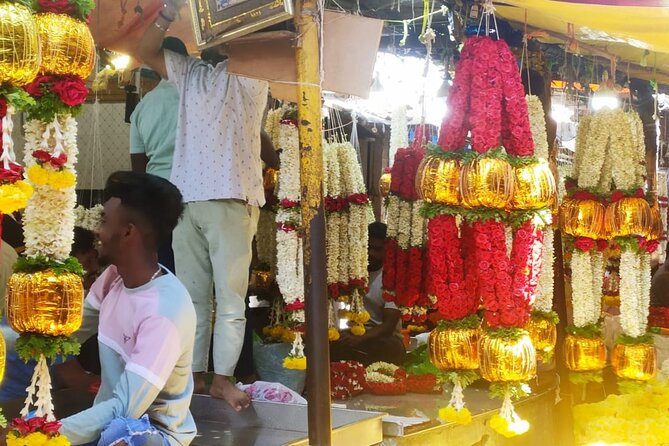
Stop 3: Devaraja Market for the sights, shopping energy, and local flavor
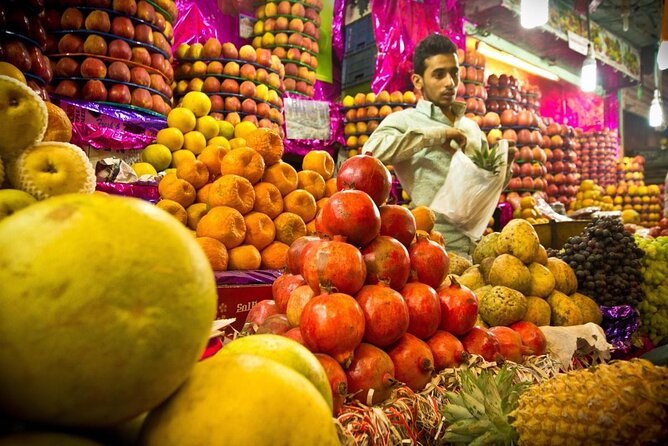
Devaraja Market is the final piece, and it plays a different role than the palaces. This stop is shorter—about 45 minutes—and it’s free admission, so you spend your time looking rather than ticketing.
The market is known for color and variety, and it’s often a standout on Mysore itineraries. For Western visitors in particular, markets can feel like a fast education: you see what people buy, how products are displayed, and what feels important enough to be sold every day.
In practical terms, I like this market stop because it breaks up the heavier feel of palaces and galleries. After formal architecture and art rooms, the market feels like a reset. You get movement, noise, and everyday patterns—all helpful for keeping your attention.
It’s also a smart place to pick up small souvenirs. The tour ends near an area where you can find Mysore’s famous sweet, Mysorepak—the listing notes a well-known sweet shop on Sayyaji Rao road. If you’re trying to bring home something tied to the city’s identity, this is the right timing.
Price and value: what $28.35 buys you (and what it doesn’t)
At $28.35 per person, this is not a freebie, and it’s best judged by what you’re getting for the money. Here’s the clear value case:
- Entrance tickets are included for Mysore Palace and the Jaganmohana Art Gallery.
- All fees and taxes are included.
- Devaraja Market admission is free, so you’re not paying again at the last stop.
- The tour runs with a mobile ticket and includes group discounts.
What’s not included is tips/gratuity to the guide. That’s normal, but it matters for your total budget.
Is it expensive? It can be, especially if you compare against doing everything on your own. But the real cost saver is time and navigation. When you have a guide, you don’t waste effort figuring out where tickets are sold, where parking works, and how to move between major sites efficiently.
Also, the tour style here is story-led. Strong guides—like Mr. Suresh, Phaneesh, Ramakrishna, and Dinesh, based on named examples—can turn a standard palace visit into a clearer understanding of Mysore’s royal world. If you care about context, that’s where you start feeling the value.
Timing, group size, and how to plan your day
The tour is listed as about 3 to 4 hours, which is a sweet spot. It’s long enough to feel like you did something meaningful, but short enough to still leave room for the rest of Mysore on the same day.
Group size is capped at 10 people, so you’re not stuck in a large herd. That makes a difference inside palaces and gallery rooms, where slowdowns happen. With a smaller group, you’re more likely to keep pace without being rushed.
It also helps that the tour is near public transportation. So if your hotel isn’t in the palace area, you still have options to get there without stress.
Finally, remember it requires good weather. If it gets canceled due to poor weather, you’ll be offered a different date or a full refund. That’s a practical safety net if you’re building this into a tight itinerary.
Shoes, socks, and the small things that decide whether you enjoy it
This tour includes a very specific comfort issue: take your shoes off at both Mysore Palace and the art gallery. The tour even suggests bringing spare socks. I can’t stress this enough—those rules can be easy to follow on paper and annoying in real life if you show up unprepared.
So here’s what I’d do:
- Pack or wear comfortable socks you’re okay removing and reusing.
- If you’re prone to sweaty feet, consider bringing extra socks.
- Wear clothing that makes it simple to follow the rule quickly and keep moving.
This kind of detail is the difference between feeling relaxed during the walk and feeling distracted the whole time.
Who this Mysore heritage walk is perfect for
This experience is a good fit if you:
- Want an organized route through three major Mysore stops without vehicle fuss.
- Like learning how royal architecture and art connect to culture and religion, not just dates and names.
- Prefer a group size that stays small enough for real questions.
It’s also a strong option for first-time Mysore visitors. The palaces and gallery cover the grand side; Devaraja Market gives you everyday context.
If you don’t like walking or you can’t manage shoe-off rules, you may want to think twice. The tour can feel structured and focused, and it’s built around those entry-room rules.
Should you book this Mysore Heritage Walk?
I’d book it if your goal is clarity and convenience: you want the palace experience, the art gallery context, and the market flavor, all stitched into a single route that stays organized.
You should also book if you value the human part of travel. The named guide examples—Mr. Suresh, Phaneesh, Ramakrishna, and Dinesh—point to a consistent strength: guides who explain carefully, link artifacts and details to cultural meaning, and keep the tour length feeling right.
Skip it only if the price feels like a stretch for you and you’re comfortable figuring out the logistics yourself. If you’re traveling solo and you love self-paced exploring, you can do this route on your own—but you’ll likely spend more energy on ticket and timing details than you would inside the tour.
FAQ
FAQ
What is included in the tour price?
The price includes all fees and taxes, plus admission tickets for Mysore Palace and Jaganmohana Art Gallery. Devaraja Market admission is free, and tips/gratuity to the guide are not included.
How long does the Mysore Heritage Walk take?
It runs about 3 to 4 hours. The planned time at Mysore Palace is about 1 hour 30 minutes, Jaganmohana Palace/Art Gallery is about 1 hour, and Devaraja Market is about 45 minutes.
Where does the tour meet, and where does it end?
The start is at Ambavilas Mysore Palace area on Agrahara, Chamrajpura, Mysuru. The guide meets you at the Varaha South entrance gate of Mysore Palace. The tour ends at Hotel Vishnu Bhavan on Bangalore Nilgiri Rd, near the KSRTC bus stand area.
Is there parking and where do tickets get sold?
Vehicle parking is available only at the Varaha South entrance gate of Mysore Palace, and tickets are also sold only there.
Do I need to remove my shoes?
Yes. You’re required to take your shoes off at both Mysore Palace and the Jaganmohana Art Gallery. Spare socks are suggested.
What if the weather is bad or I need to cancel?
The experience requires good weather. If it’s canceled due to poor weather, you’ll be offered a different date or a full refund. You can cancel for a full refund up to 24 hours before the experience start time.