REVIEW · OSAKA
Osaka: Koji Kinutani Tenku Art Museum Entry Ticket
Book on GetYourGuide →Operated by LINKTIVITY Inc. · Bookable on GetYourGuide
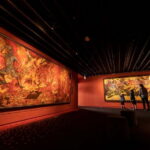
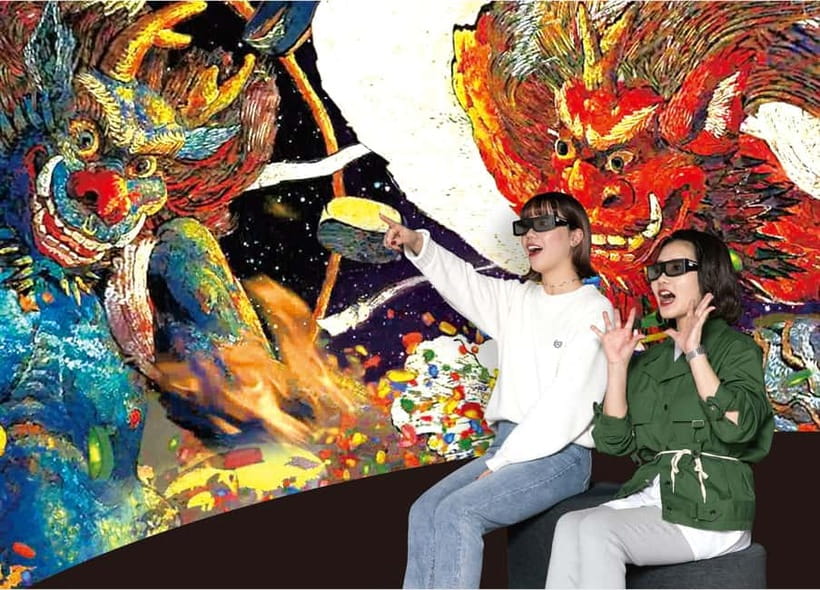
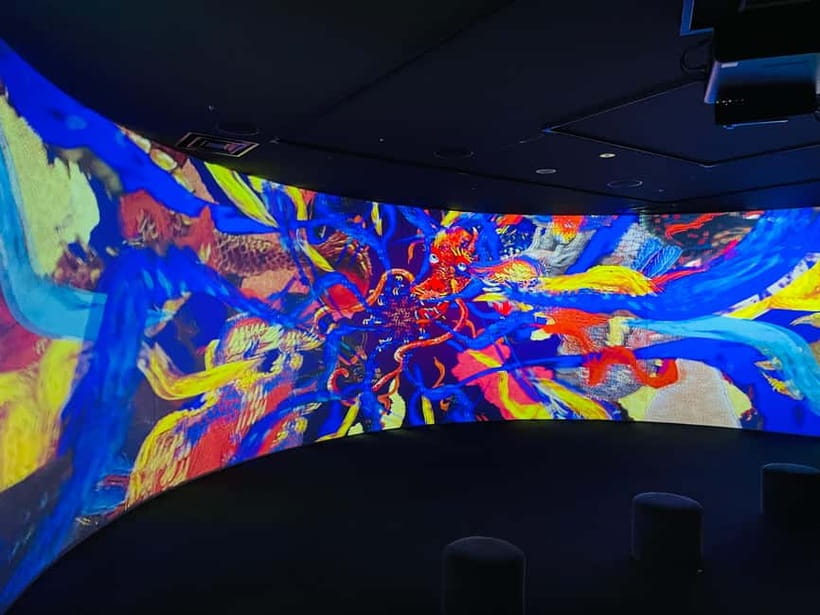
This museum feels like an art gallery that learned how to entertain, thanks to a huge 3m x 14m round screen that blends painting and music into 3D scenes. I also love the clear split between a blue exhibition zone inspired by Italy and a red zone that points to traditional Japan, so you always know what theme you’re walking into.
One heads-up: rules inside are strict—no food or drinks, so you’ll want to plan breaks either at the Tenku cafe or outside the museum.
In This Review
- Why it feels fun, not stuffy
- Key highlights you should know
- Entering Koji Kinutani Tenku Art Museum at Umeda Sky (Tower West 27F)
- The giant 3D round screen: paintings that move like music
- Blue and red gallery zones: Italy skies meet traditional Japan
- Tenku Gallery: photo moments plus a real Osaka viewpoint
- VR with Koji Kinutani: the closest you get to the artist
- Hands-on programs and fresco painting: when workshops are worth it
- Tenku cafe and museum shop: a break and a few keepsakes
- Combo ticket with Floating Garden Observatory: Osaka from 170 meters up
- Price and value: what $8 buys you, and when it gets even better
- Who should book this museum (and who might skip it)
- Should you book? My practical take
- FAQ
- Where is the Koji Kinutani Tenku Art Museum located?
- How long is the experience valid for?
- How much does admission cost?
- What are the museum opening hours?
- What days is the museum closed?
- What’s included with the ticket?
- If I buy the combo ticket, where do I get the sky observatory access?
- Are food and drinks allowed in the museum?
- Are pets allowed?
- Do student discounts require anything specific?
Why it feels fun, not stuffy
Even if you only have a few hours, you get a full “story arc” here: gallery halls, photo-friendly spots, then VR that pushes you closer to Koji Kinutani’s world. The design also helps first-timers. You can treat it like a mini theme-park stop without losing the art-and-tech angle.
The only drawback for some people is timing. Admission is allowed until 30 minutes before closing, and the VR/programs are easier if you arrive with enough slack.
Key highlights you should know
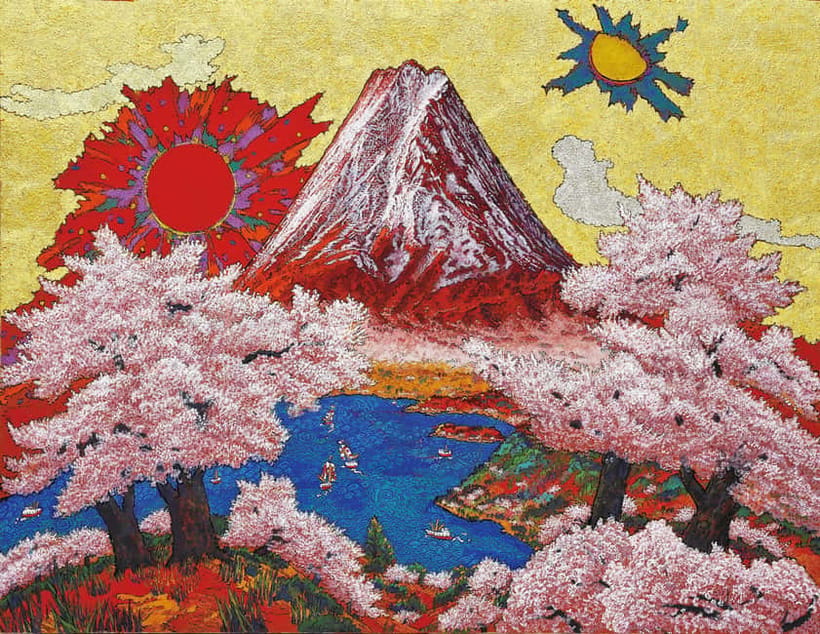
- A 3D round screen built to make paintings and music feel physical and life-sized
- Blue and red gallery zones with Italy sky references on one side and traditional Japan textures on the other
- Tenku Gallery photo views plus a quieter outlook over the Yodogawa River and Osaka cityscape
- VR with Koji Kinutani including a museum tour by him and a rare talk from his Tokyo studio
- Optional combo with Umeda Sky for a 360-degree Osaka view from the Floating Garden Observatory
You can also read our reviews of more tours and experiences in Osaka.


Entering Koji Kinutani Tenku Art Museum at Umeda Sky (Tower West 27F)
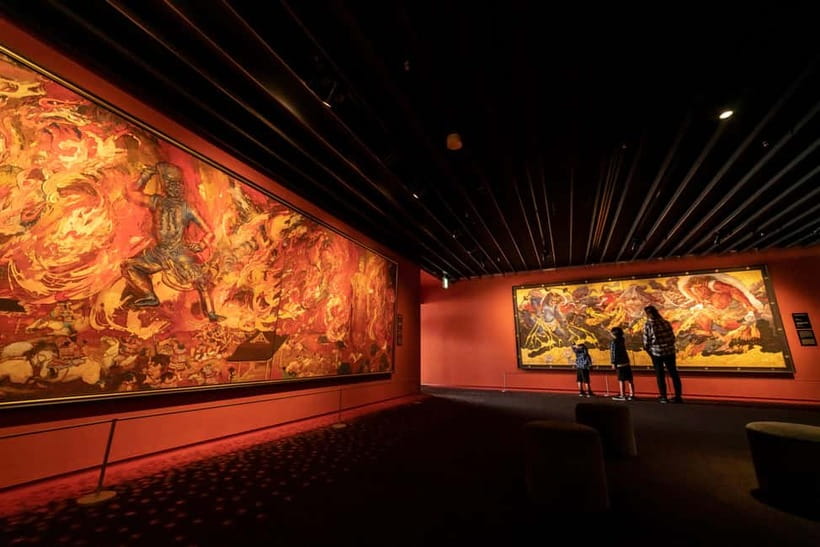
The Koji Kinutani Tenku Art Museum is inside the Umeda Sky Building Tower West, on the 27th floor. That matters because your museum day can connect easily to Osaka’s best-known city views, especially if you choose the combo ticket.
Getting there is straightforward. The museum is about a 9-minute walk from JR Osaka Station, Osaka Metro Umeda Station, and Hankyu Osaka Umeda Station, and a 13-minute walk from Hanshin Osaka Umeda Station. If you’re using a taxi or car, the parking lot is off the Hanshin Expressway No. 11 ramp, with pay-by-the-hour parking available at Umeda Sky Building.
Plan your timing based on the closing rules. The museum’s hours shift by day, and admission stops 30 minutes before closing. If you show up close to the cutoff, you’ll feel rushed in the galleries and you might miss a longer VR session.
The giant 3D round screen: paintings that move like music
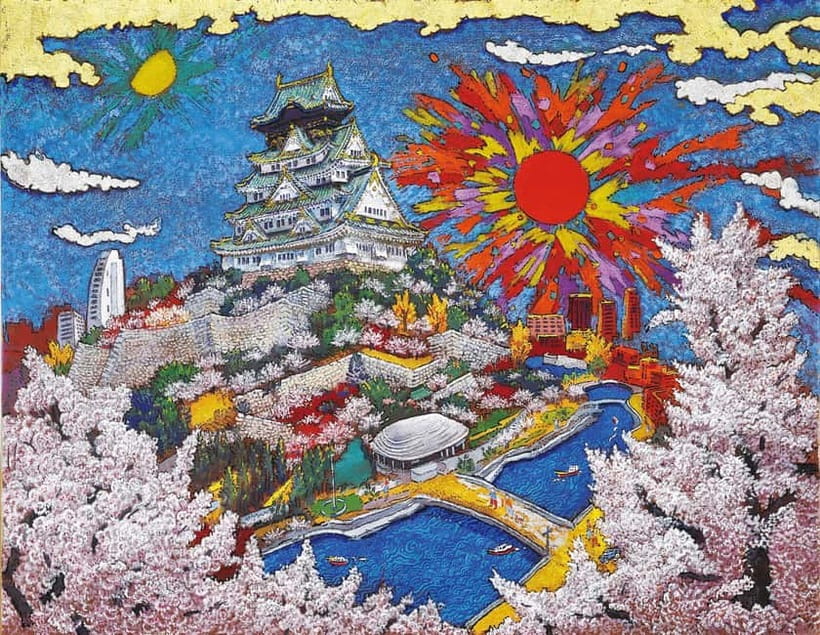
The headline experience is the 3m x 14m round screen, where 3D images come to life with music. This is the part that makes the museum feel more like performance art than a silent walk-through. The visuals are big, panoramic, and built for you to look up and around, not just stand at a polite distance.
What you’ll likely notice is how the art stays “painting-like” even when it becomes 3D. Instead of replacing brushwork with special effects, the show turns color, forms, and scenes into something you can almost walk inside. The music pairing is also a big part of the impact, so if you’re the type who likes feeling the mood more than reading labels, this screen is a highlight.
If you’re deciding whether this museum fits you, think about this: you’re paying for a technical display plus an art concept, not just static paintings. For $8 per person, that combination is the value pitch. You’re not paying a lot for space, staff, and hours—you’re paying for a signature high-tech moment.
Blue and red gallery zones: Italy skies meet traditional Japan

After the main screen show, the exhibition hall splits into two zones, which is one of the smartest design choices here. The blue zone evokes the blueness of the skies of Italy, tied to Kinutani’s study abroad. The red zone shifts to the spirit of traditional Japan using red walls and lattices.
I like that this isn’t just decoration. The color coding gives you a mental map while you move between ideas. When you pause to look closer, you can feel the difference in mood: the blue side tends to read as airy and distant, while the red side feels more structured and grounded.
The museum also rotates special exhibitions twice a year. Those shows bring different themes, and you’ll see works displayed according to the prevailing concepts in each hall. On top of that, there are colorful frescos—classic mural-style paintings that connect directly to the roots of Kinutani’s art.
If you’re the kind of visitor who likes a clear visual theme, the blue/red system makes it easy. If you’re the kind who prefers long wall text, you might find yourself spending less time reading and more time watching the atmosphere.
Tenku Gallery: photo moments plus a real Osaka viewpoint
One fun perk is that the museum includes the Tenku Gallery, which is both photo-friendly and useful for a break from the busy exhibition spaces. The museum highlights that you can take commemorative photos here, and the gallery is also described as an out-of-the-way spot for picturesque views.
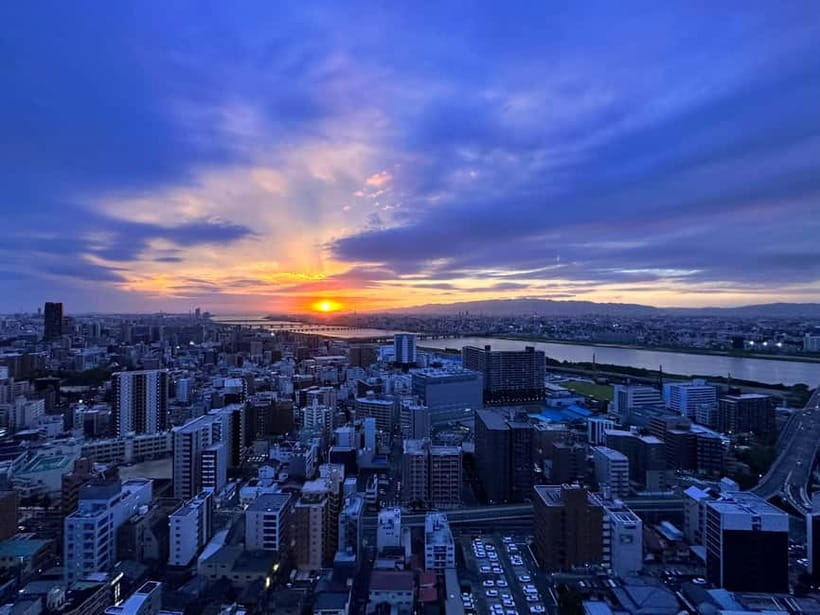
This is where your Osaka day can turn from indoor art show to city outlook. You get the chance to look down on the Yodogawa River flowing through Osaka’s cityscape. Even if you don’t do photography, this kind of pause helps. It lets your brain reset after screens and rooms full of color.
Because the museum is in a tower building, you’re already in a vertical setting. If you’re pairing this with the Floating Garden Observatory, Tenku Gallery is a good warm-up viewpoint, but it’s still different—more intimate, less “big ticket skyline.”
VR with Koji Kinutani: the closest you get to the artist
The VR experience is a major reason to add this stop to an Osaka itinerary. It’s described as powerful and designed to bring you closer to Koji Kinutani.
What makes it special is the content: you get a tour of the museum by Koji Kinutani himself, and there’s a rare talk in his Tokyo studio that’s normally closed to visitors. That kind of access changes how you experience the artwork. Instead of only seeing results, you’re given a sense of the creative thinking behind them.
VR can be hit-or-miss in some places, but here the design is tied directly to the museum setting. You’re not watching a separate documentary in another room; you’re learning the artist’s perspective inside his visual world. Even if you’re short on time, prioritize the VR segment over shopping or long cafe breaks.
A practical note: build in time for VR before you plan your combo visit to Umeda Sky. VR pacing can be unpredictable with busy hours, and the museum’s admission ends 30 minutes before closing.
Hands-on programs and fresco painting: when workshops are worth it
If you travel with kids, or you simply like making something, the museum’s programs are worth checking. The museum runs activities for all ages, including hands-on fresco (mural) painting and painting classes with lectures by Koji Kinutani himself.
The key practical detail is that reservations are required for workshop participation. If you want to do a hands-on session, plan your day around that and don’t treat it as a last-minute extra.
Also note what’s not included. Workshop materials aren’t included with admission. So if you’re budgeting, set aside a little extra for supplies if you sign up for a workshop.
This is the best match if you like learning by doing. If you’re only looking for passive viewing, you can still have a great visit without workshops, but you’ll miss the chance to get close to the techniques behind the frescos.
Tenku cafe and museum shop: a break and a few keepsakes
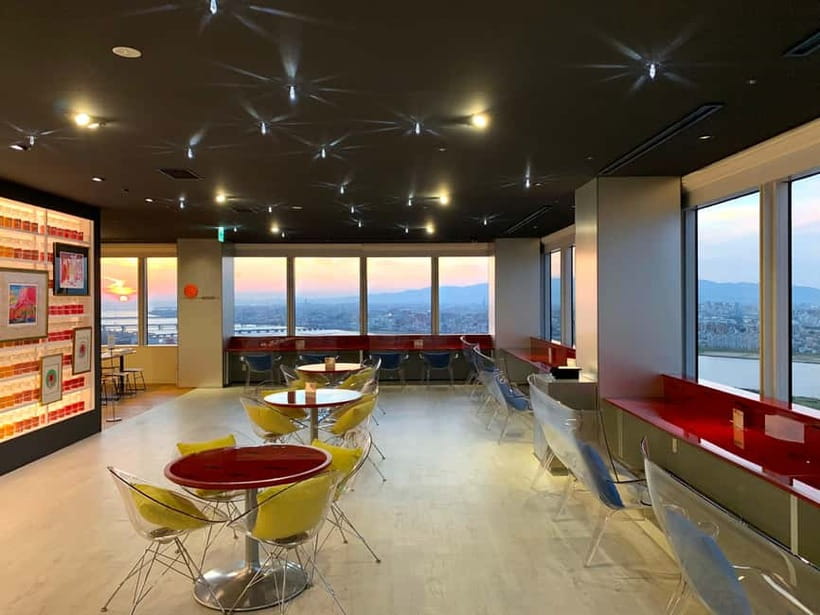
The Tenku cafe is part of the experience, even though food and drinks aren’t included in the ticket. The atmosphere is described as rich and artistic, with colorful pigment bottles used for alfresco painting. It’s the kind of detail that makes you feel like the cafe belongs to the museum, not to a random mall floor.
If you’re taking a breather between galleries and VR, this is a natural time to do it. You can also slow down with a view while you refuel. Just remember: you can’t bring food or drinks into the museum spaces, so your cafe plan should happen either during your visit or before you enter.
The museum shop is the other practical win. It’s described as well stocked with goods featuring motifs from the works, original postcards, and more. If you want souvenirs that don’t feel generic, this is where you’ll find design-led items rather than standard gift-shop clutter.
Combo ticket with Floating Garden Observatory: Osaka from 170 meters up
If you choose the combo ticket, you can pair the museum visit with admission to the Floating Garden Observatory at Umeda Sky Building. The museum notes that you’ll exchange your tickets at the museum reception desk.
This is the payoff for city-view lovers. The observatory sits 170 meters above ground, and it includes an open-air skywalk. The view is described as 360 degrees, and the experience is considered spectacular both day and night.
How to choose your timing: if you only have one shot at the skyline, consider going near sunset so you get both daylight clarity and night lighting. If you’re traveling with people who like photos, this observatory can turn a museum day into a full Osaka highlight.
One more reason the combo works: you’re already inside the Umeda Sky Building complex. That cuts down transit time and keeps the day efficient.
Price and value: what $8 buys you, and when it gets even better
At about $8 per person for museum entry, the value case is strong if you like art plus technology. You’re paying for a distinctive 3D round-screen presentation, structured galleries, and VR content tied to the artist. This isn’t just admission to rooms with paintings; it’s a themed experience with multiple layers.
The combo ticket option can increase value if you also want the observatory. Even without knowing the exact combo price here, the logic is simple: admission to the sky views is usually a separate ticket, and this museum location makes the two-stop day realistic.
For the best value match, think about your travel style:
- If you enjoy modern art presentations and video/VR, you’ll likely feel the money go to the right places.
- If you only like traditional, quiet galleries with lots of wall reading, you might find the high-tech parts take more of your time than expected.
Who should book this museum (and who might skip it)
I’d book this if you want a short, high-impact art stop in Osaka. It’s great for couples who like creative experiences, and it can work for families too because the museum runs hands-on programs for all ages. If you’re fascinated by artists’ thinking, the VR tour and rare Tokyo-studio talk are the main reason to prioritize this over a generic museum day.
You might skip it if your idea of museum time is slow and text-heavy. There’s definitely artwork to see, but the museum’s “engine” is experience—screens, color zones, and VR.
It’s also a good fit for visitors who are already planning Umeda Sky Building. The combo makes the day feel efficient, with indoor art and outdoor skyline in one package.
One more planning note: tickets aren’t valid on special business days such as Yodogawa Fireworks Festival days. If your Osaka dates include major events, double-check your travel calendar.
Should you book? My practical take
Yes, book it if you want a modern art experience that doesn’t require a long attention span. The 3D round screen and the VR with Koji Kinutani are the core reasons, and they’re exactly the kind of moments that make a museum day feel worth remembering.
Go for it with the combo ticket if you also care about city views. The Floating Garden Observatory from 170 meters up is a strong follow-up, and the skywalk adds a different kind of spectacle after VR.
Skip or adjust expectations if you dislike VR or want only traditional galleries. In that case, you may enjoy the blue/red halls and frescos, but you won’t get the full value of what this museum is built to do.
FAQ
Where is the Koji Kinutani Tenku Art Museum located?
It’s in the Umeda Sky Building Tower West 27F at 1-1-30 Oyodonaka, Kita-ku, Osaka 531-0076, Japan.
How long is the experience valid for?
The ticket is valid for 1 day. You’ll check availability to see starting times.
How much does admission cost?
The price is listed at about $8 per person.
What are the museum opening hours?
Mondays, Wednesdays, Thursdays, and Sundays are 10:00-18:00. Fridays, Saturdays, and the day before national holidays are 10:00-20:00, with admission until 30 minutes before closing.
What days is the museum closed?
The museum is closed on Tuesdays (with the note that if Tuesday is a national holiday, it opens on Tuesday and closes on the following weekday), December 30-January 3, and during exhibition change periods.
What’s included with the ticket?
Admission to the Koji Kinutani Tenku Art Museum is included. If you choose the Floating Garden Observatory combo ticket, admission to the observatory is included too.
If I buy the combo ticket, where do I get the sky observatory access?
You exchange the ticket voucher at the museum reception desk.
Are food and drinks allowed in the museum?
No, food and drinks are not allowed.
Are pets allowed?
Pets are not allowed, but assistance dogs are allowed.
Do student discounts require anything specific?
Student tickets are available for junior high, high school, and university students, and students must present a student ID upon entry.