REVIEW · ROME
Rome: 6 hoursDaily Private Golf Cart Tour with typical lunch
Book on GetYourGuide →Operated by RomeByCart · Bookable on GetYourGuide
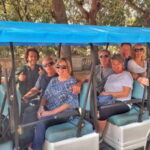
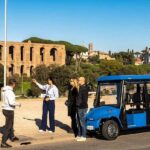
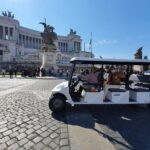
Rome on wheels beats Rome on aching feet. A private golf cart day lets you hit the big names and quieter streets fast, with a guide who keeps the history and art threads together. Customize your route, start where you want, and get back to your pickup point when the clock runs out.
What I like most is the private pace and attention. You’re not mixing with a crowd, and you can steer the day toward what you care about—churches, art, ancient sites, or city views. The second win is the food: the tour includes lunch at selected local eateries so you get a more real taste of Roman food and wine culture, not just a quick stop.
The main trade-off is time. You’ll spend about 10 to 25 minutes at each stop, so this works best for smart orientation and photo breaks, not for long, slow museum-style wandering.
In This Review
- Key points before you go
- Why a private Rome golf cart tour feels different
- Route control: starting where you prefer in Rome
- The core morning-to-afternoon loop: squares, classics, and church energy
- St. Peter’s Basilica time: big art stories without the marathon
- Janiculum Hill and the less-expected viewpoints
- Church stops that build the art timeline
- Ancient Rome hits: Roman Forum, Colosseum, and Circus Maximus
- San Pietro in Vincoli and Castel Sant’Angelo for a change of pace
- Ending with iconic Rome right where you started
- Lunch and Roman flavors: what you gain beyond a meal
- Comfort rules that keep the day enjoyable
- Price and value: $225.44 for a private guide plus lunch
- Who this tour is best for
- Book it or skip it: my decision guide
- FAQ
- How long is the Rome private golf cart tour?
- Is this tour private?
- What languages are the guides available in?
- Does the tour include lunch?
- Are entrance fees included?
- Can I choose where the tour starts?
- How much walking should I expect?
- Is the tour wheelchair accessible?
- What is the cancellation policy?
- What should I bring?
Key points before you go
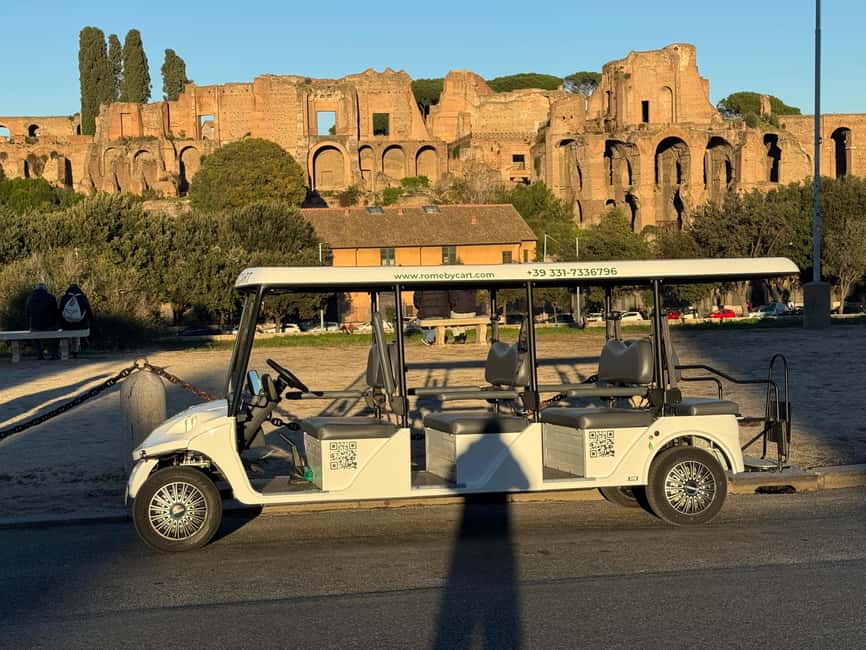
- Private guide + private cart means your day can bend to your interests, not the other way around
- Quick, guided stops at major landmarks keep the pace manageable while still teaching you what you’re seeing
- Lunch included at local eateries adds real value and saves you time hunting for food
- Art and church focus includes storytelling and big-name artists like Michelangelo, Bernini, Borromini, and Caravaggio
- Best for reduced walking days (one reason people book is to protect knees and legs)
Why a private Rome golf cart tour feels different
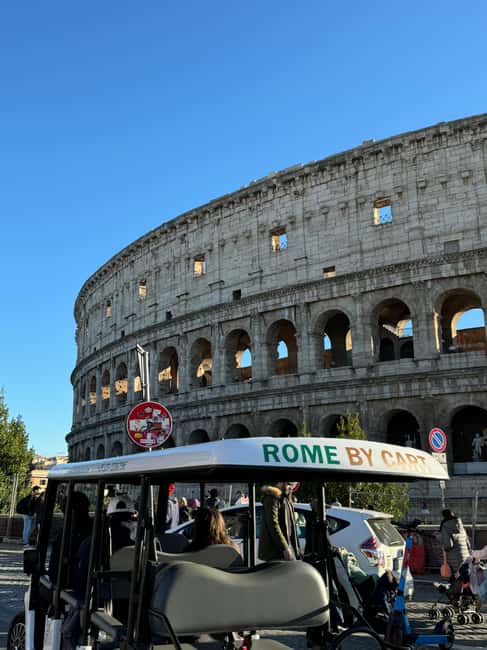
Rome is a city that punishes slow mobility. Even if you love walking, you still get hit with uneven sidewalks, stairs, and that 10-minute turn that turns into 45. A golf cart tour changes the day because it lets you stay in motion without feeling like you’re fighting the city.
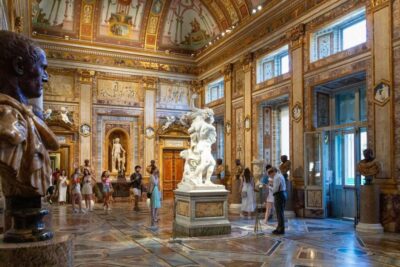
I also like the fact that you’re not just chauffeured. A dedicated guide means you get context as you go—history, art, and culture—plus stories that connect ancient Rome to the later world of popes and church life. The tour leans into what you see around you: churches with paintings, sculptures, frescoes, and mosaics, plus viewpoints and iconic squares.
And because it’s private, you’re not trapped in someone else’s idea of the perfect Rome day. If you want more time at church interiors or you’d rather linger for photos at famous viewpoints, you have room to steer.
You can also read our reviews of more private tours in Rome

Route control: starting where you prefer in Rome
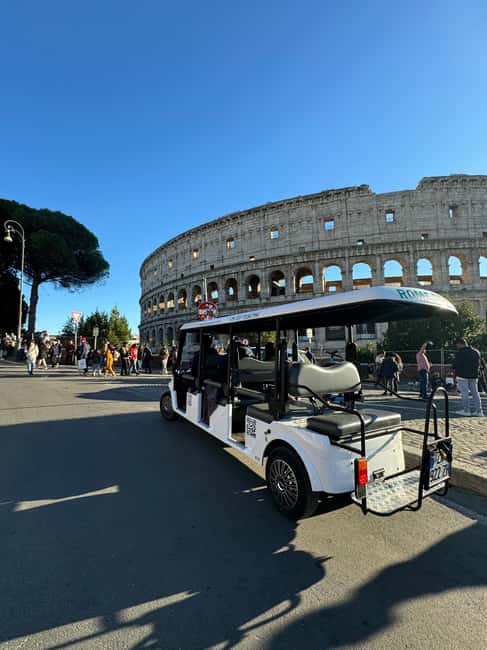
This is a flexible format: you can start from where you prefer in Rome and you’ll be returned to your starting point after the 6 hours. That matters more than it sounds. In a city like Rome, shaving off transfer time can be the difference between a fun day and a half-day of logistics.
I like that the guide builds your route around your interests. The tour is designed to range across iconic sights, quieter corners, churches, and ancient monuments. If you’re more into art than archaeology, or the reverse, you can nudge the balance. In practice, that customization tends to make the day feel personal—like Rome tailored to your energy level and your must-sees.
If you hate surprises, this also helps you plan. You know the broad framework of what you’ll see, and you can guide the moments that matter most to you: extra time for a viewpoint, a different order for the squares, or prioritizing churches over longer stretches of ancient ruins.
The core morning-to-afternoon loop: squares, classics, and church energy
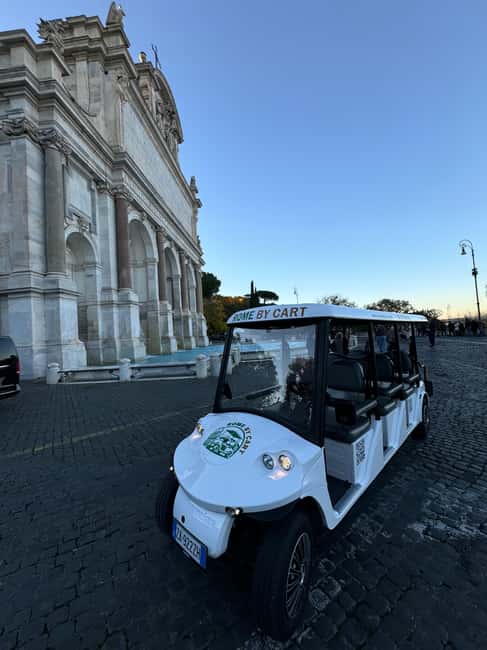
Your tour begins in Rome, then moves through a classic highlight arc with guided time built in. Expect short walks at stops, but the cart handles the long jumps between areas.
Piazza di Spagna (about 10 minutes) and the Spanish Steps (about 10 minutes) are usually a quick, high-impact way to get oriented. This isn’t the time to plan a long sit-and-watch afternoon. It’s a guided orientation plus photos, then you move on before the day gets too hot.
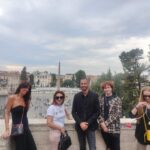
Next is Piazza del Popolo (about 20 minutes), where you get a bit more time to absorb the area and let the guide set the scene. If you’re the type who likes landmarks that make sense in your head—big squares, clear axes, and easy photo angles—this is a good place to slow for a moment.
Then comes the Pantheon (about 20 minutes). You’ll have guided time here to connect what you’re seeing with the stories Rome loves to tell. The big win at stops like this is not just standing in front of a famous façade; it’s learning what to look for and why it matters.
After that, Piazza Navona (about 20 minutes) gives you another iconic square moment. It’s a good “reset stop,” where the guide helps you read the space quickly so you don’t just take pictures—you understand them.
St. Peter’s Basilica time: big art stories without the marathon
The tour includes St. Peter’s Basilica (about 25 minutes) with guided time. This is one of those stops where the guide’s storytelling really matters because the place is visually dense. You’re not going to turn it into a full-day deep research project—this is timed—but you can still get meaningful orientation.
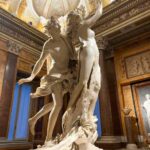
The tour also highlights major art names during the day: Michelangelo, Bernini, Borromini, and Caravaggio. Even if you don’t know their work cold, hearing the connections helps you recognize what you’re seeing and why it was such a big deal in its era.
Real talk: 25 minutes is not a lot once you’re inside. If you want long contemplation time, you’ll have to pick your moments. That’s why the private nature helps—if the guide is flexible, you can spend your guided time where it matters most to you.
Janiculum Hill and the less-expected viewpoints
You’ll then head to Janiculum Hill (about 10 minutes). This stop is all about views and atmosphere, and it fits the golf cart format well. In short bursts, you get that “Rome feels different from up here” effect without committing your whole body to a steep climb.
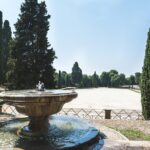
From there, you visit Fontana dell’Acqua Paola (about 15 minutes). It’s the kind of stop that often gets skipped when people do only the most famous monuments. Having guided time at a fountain like this helps you notice it as part of Rome’s bigger water-and-city story, rather than a quick photo background.



Church stops that build the art timeline
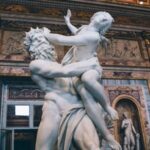
One of the things this tour does well is mix the headline sights with church interiors and smaller stops. You’re not just sprinting from one famous stone to the next. The guide pushes the theme of art across eras—paintings, sculptures, frescoes, mosaics—so the day feels like it has a narrative.
You’ll visit the Church of Santa Cecilia (about 20 minutes) and later Church of Sant’Ignazio di Loyola (about 20 minutes). These stops can be especially meaningful if you enjoy learning how art and religious life shaped each other in Rome.
Here’s where practical advice matters: churches can be cool and dim, and they often mean some walking and steps. Bring a camera you’re comfortable using one-handed, and pace yourself. This tour is manageable, but you still need to be ready for brief stretches where you’ll stand close to see details.
Ancient Rome hits: Roman Forum, Colosseum, and Circus Maximus
After the church-heavy rhythm, the tour moves into the big ancient cluster.
Roman Forum (about 20 minutes) is usually where the day starts to feel very real because it’s one of the best places to grasp how old Rome was. You get guided time designed to help you connect the ruins to the stories you’ve been hearing.
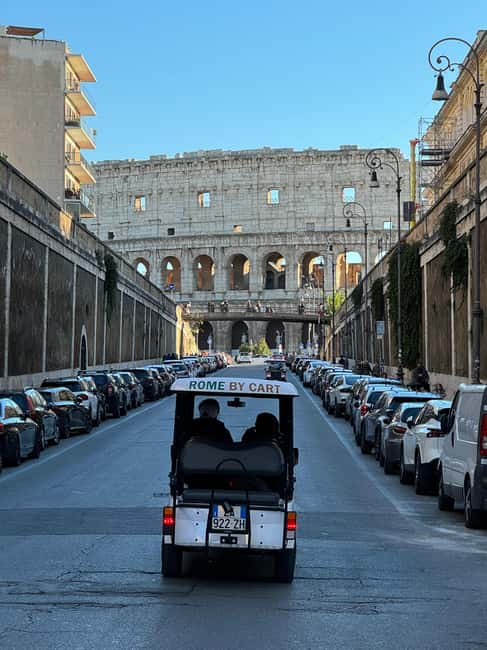
Then it’s on to Colosseum (about 20 minutes). This is another timed visit. It’s ideal for getting your bearings and understanding the big-picture importance. If you want to linger for specific photos or read everything you see, you may feel the squeeze.
Next is Circus Maximus (about 20 minutes). This stop works well with the cart format because it’s easier to cover the area without turning it into a long hike. You get guided context and a chance to take in the scale without losing hours.
If you’re traveling with family members who get tired, this portion of the day is where the private cart helps most. You’re still seeing the big icons, but you’re not paying for it with a leg-burning walk between sites.
San Pietro in Vincoli and Castel Sant’Angelo for a change of pace
You’ll then visit San Pietro in Vincoli (about 25 minutes). A longer church stop than some of the other timed stops usually means the guide has more to say and you’ll have more chance to take in details. It’s also a nice mental reset after the concentration of ancient monuments.
After that, it’s Castel Sant’Angelo (about 20 minutes). This is a strong stop when you want a mix of history and a clear visual focal point. The guide’s job here is to help you place what you’re seeing in the broader story of Rome—so you don’t just view it as a landmark, you understand it as part of the city’s layers.
Ending with iconic Rome right where you started
The tour returns you to Rome at the end of the 6 hours. That “back to your starting point” feature is quietly brilliant. In Rome, getting stuck on the far side of town at the end of the day is a common travel penalty. Here, you’re not stuck figuring out transit after your energy drops.
And because the day includes meals—lunch is included—you’re less likely to hit that late-afternoon food panic that turns a sightseeing day into a search mission. Still, plan to drink water, especially in warmer months.
Lunch and Roman flavors: what you gain beyond a meal
The tour includes lunch at selected local eateries. I like this because it’s built into the schedule rather than tacked on. You don’t lose half an hour trying to decide where to eat, and your guide can help route you to the right kind of stop for the day.
Also, the tour frames food as part of culture—Roman culinary tradition with wine culture. You’re not just eating calories; you’re getting a taste of local habits. If your group includes people who care about food and not only sights, this inclusion usually makes everyone happier.
One caution: lunch stops can be timing-sensitive. The day has defined guided durations at each site, so don’t expect a slow, leisurely restaurant marathon. Think of lunch as fuel plus culture, not as free time to wander the neighborhood.
Comfort rules that keep the day enjoyable
Even with a cart, you’ll still do some walking. The tour includes short guided visits and you’ll likely face a bit of standing, stairs, and uneven surfaces at key points.
So I strongly recommend comfortable shoes you’ve already worn in. Bring a hat, sunscreen, and water. Rome sun can be intense, and you’ll be outdoors between stops. If rain shows up, you’ll still want to be ready with a light layer.
Also, the tour is not suitable for wheelchair users. If mobility is the main concern, ask about your group’s needs before booking so you don’t get stuck with a plan that doesn’t match your movement reality.
Price and value: $225.44 for a private guide plus lunch
At $225.44 per person for a 6-hour private golf cart tour, the value comes from what you’re buying: private time, private transport, and a dedicated guide who can customize the day.
If you compare this to doing it on your own, you’re paying for:
- the guide’s work (context, stories, and route building),
- the cart to reduce the walking stress,
- and the fact that lunch is included.
Entrance fees are not included, so you’ll still need to budget for those if you decide to go inside paid areas. But for many travelers, paying a bit more for guide time and transport is worth it—especially when your goal is to see a lot without wearing your body down.
Where this price tends to feel most fair is when you’re not traveling solo. Private tours cost more per person, but splitting among a small group often makes it easier to justify than piecemeal tickets plus guide plus transit.
Who this tour is best for
This is a strong fit if you want a major-sights Rome day without turning it into a forced march. I especially see it working for:
- older travelers who want to see big landmarks but can’t handle long stretches
- people recovering from knee issues or surgery, since the cart helps protect your legs
- families who want structure and guidance so the day feels smooth
- travelers who enjoy church art and want context, not just photos
In the past, guides like Fabio have been praised for being polite and making the experience easier on the legs, and Felipe has been highlighted as a great guide for parents and older visitors. You might get a guide with that same calm, practical approach.
Book it or skip it: my decision guide
Book this tour if you want:
- less walking while still seeing the headline sights and church stops
- a private guide who can adjust to your interests
- lunch included, so the day stays practical
Skip it if:
- you want hours inside major attractions and plan to read everything slowly
- your group needs wheelchair access (this one is not suitable)
- you’re allergic to timed visits and short guided stops
If your main goal is to get the most of Rome in a single day without turning it into a physical grind, this format makes a lot of sense. It’s structured, flexible, and built for real sightseeing comfort.
FAQ
How long is the Rome private golf cart tour?
It’s a 6-hour private tour. Starting times vary by availability.
Is this tour private?
Yes. It’s a private group tour with a dedicated guide.
What languages are the guides available in?
The live guide is available in English, Italian, and Spanish.
Does the tour include lunch?
Yes. Lunch is included as part of the tour’s Roman food stops.
Are entrance fees included?
No. Entrance fees to attractions are not included.
Can I choose where the tour starts?
Yes. You can start from where you prefer in Rome, and you’ll be returned to your starting point at the end.
How much walking should I expect?
There will be some walking. The tour uses a golf cart between stops, but you should wear comfortable shoes and expect short guided visits that may include stairs.
Is the tour wheelchair accessible?
No. It’s not suitable for wheelchair users.
What is the cancellation policy?
You can cancel up to 24 hours in advance for a full refund.
What should I bring?
Bring comfortable shoes, a hat, camera, sunscreen, and water.