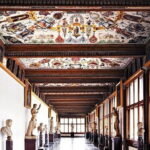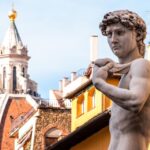
Florence moves fast, and this helps you keep up. This tour strings together the Renaissance city in a smart order, with an eco-friendly approach and radio support so you can actually hear the stories while you walk.
I especially like the small-group size (up to 20) and the feeling of personal attention, since you can steer the pace and ask for extra stops. You also get included admissions for Fiesole and the Roman Theatre, which is a nice upgrade if you plan to visit outside central Florence.
One thing to consider: the schedule is tight, so if you want long, slow hangs at any single sight, you might feel a bit rushed. A few past guests also flagged occasional time-bloat moments (like shopping detours) and want-to-do-it-longer photo breaks.
In This Review
- Key things that make this tour work
- Why this Florence walk is a smart first-day plan
- Meeting at Piazza di Madonna degli Aldobrandini: start where the city feels local
- Cappelle Medicee: a close look at Medici art and ambition
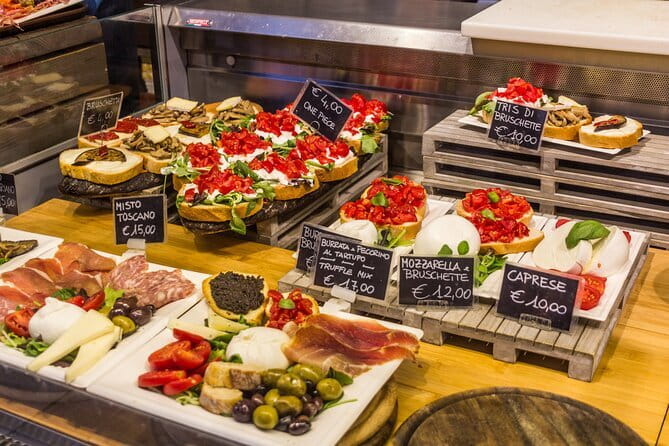
- Mercato Centrale: how to read Florence through food culture
- Santa Maria del Fiore: seeing Brunelleschi’s Dome without the museum-pressure
- Piazza della Repubblica: the polished face of Roman Florence
- Piazza della Signoria: Florence’s political center as an open-air museum
- Ponte Vecchio: river views, shop-lined history, and a quick reset
- Oltrarno: the calmer, craft-focused side of Florence
- Palazzo Pitti: Medici grand living, not just crown jewels
- Ponte Santa Trinita and Via de’ Tornabuoni: elegant design to fashion street
- Included tickets for Fiesole and the Roman Theatre: a bonus to plan around
- What the best guides tend to do well (and what to watch for)
- Price and value: what $66.37 buys you in Florence time
- Weather, walking pace, and who should book
- Should you book this Florence walking tour?
- FAQ
- How long is the Florence Walking Tour – Hidden Gems?
- Where does the tour start, and where does it end?
- How much does it cost?
- What’s included in the tour?
- What language is the tour offered in?
- Do I need tickets for the stops?
- What group size should I expect?
- Is there a mobile ticket?
- What if the weather is bad?
- Can I cancel for a refund?
Key things that make this tour work
- Small group (max 20): you’re not lost in a crowd.
- Radio system included: clearer guide audio, less craning your neck.
- Start/end at one easy meeting point: fewer logistics headaches.
- 11 major Florence stops in about 2 hours: great for orientation.
- Customization and stops on request: you can adjust to your interests.
- Tickets for Fiesole and the Roman Theatre included: value if you’ll add them to your day plan.
Why this Florence walk is a smart first-day plan
I like tours that do one job really well: help you understand where everything is and why it matters. This one is built for exactly that. You get a guided path through Florence’s big-name landmarks—Medici power, the Cathedral area, the political center, the river crossings, and the Oltrarno neighborhood—so your next self-guided walk makes sense.
And the format matters. With a radio system and a guide who can keep the group moving smoothly, you spend less time trying to hear and more time watching. Florence is full of details at street level—inscriptions, facades, and side streets—and this tour gives you enough context to notice them instead of just passing by.
You can also read our reviews of more walking tours in Florence
Meeting at Piazza di Madonna degli Aldobrandini: start where the city feels local
Your tour begins at Piazza di Madonna degli Aldobrandini and returns there at the end. That’s useful because Florence is easiest when you build a base and keep coming back to it. You’ll also be near public transport, so if you’re doing multiple activities in one day, it’s not a dead-end start.
This start point also sets a good tone: you’re not thrown immediately into a single monument complex. You begin in a neighborhood context, then work outward toward the sights most first-timers expect.
Cappelle Medicee: a close look at Medici art and ambition
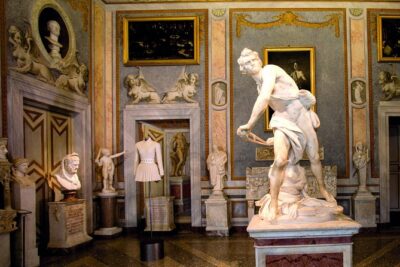
Stop one is the Cappelle Medicee. This is a Renaissance mausoleum of the Medici family, featuring major works associated with Michelangelo. Even if you’re not a die-hard art person, the Medici story is the spine of Florence’s Renaissance era—money, power, and taste tied together.
Practical take: the ticket is listed as free for this stop on the itinerary, which usually means you’re spending your time on-site rather than hunting for separate access. If you tend to skim, keep one question in mind as you look: What kind of message were they trying to send with all this art? Florence loves propaganda disguised as beauty.
Potential drawback: if you’re coming from other museum-heavy stops that day, you may want to keep expectations realistic. This tour is paced for an overview, not for hours of deep museum study.
Mercato Centrale: how to read Florence through food culture
Next you’re at Mercato Centrale. The value here isn’t only what you might eat—it’s the sensory snapshot. Think color, aromas, and the everyday food traditions of Tuscany. Markets also explain something important about Florence: it’s not just cathedrals and palaces. It’s a working city where culture happens at street level.
If you’re a picky eater or you’re avoiding crowds, keep it simple. Use the market stop to observe and collect ideas. Later, you can seek out similar dishes without paying tourist-markup prices.
One small word of advice: if you want a snack or drink, plan to keep it light. This tour is designed around short, focused stops—so you don’t want a long sit-down meal to steal time from the rest of the route.
Santa Maria del Fiore: seeing Brunelleschi’s Dome without the museum-pressure
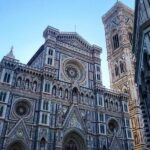
Stop three is the Cathedral of Santa Maria del Fiore, with special focus on Brunelleschi’s Dome. This is one of those Florence moments where the city practically pre-dates your camera. Even without going inside for a long session, seeing the dome in context helps you understand why it became such a symbol.
What I like about this kind of stop on a walking tour: you get orientation plus a reminder of what you should look for later if you return. The dome doesn’t just look impressive—it changes how you read the skyline from street corners and bridge viewpoints.
If you’re the type who wants maximum cathedral time, treat this stop like a first pass. You’ll likely want a separate visit later with more flexibility.
Piazza della Repubblica: the polished face of Roman Florence
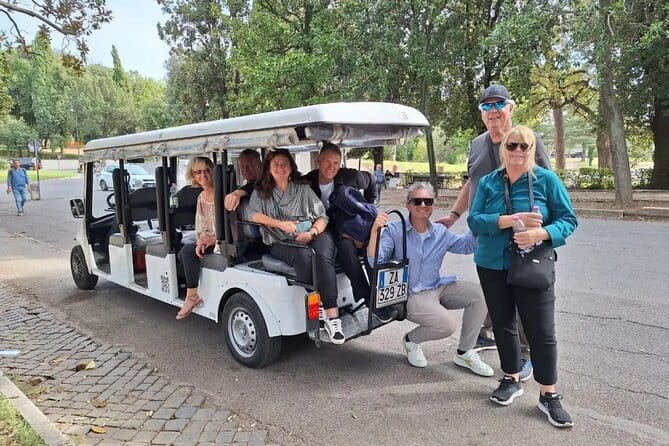
Then you’re in Piazza della Repubblica, described as elegant and historic, once at the heart of Roman Florence, ringed by cafés and grand architecture. This stop is helpful because it shifts you from pure Renaissance focus to a layered timeline—Florence has Roman roots, and the city often compresses centuries into one view.
How to make this stop count: pick one building facade and scan for decorative cues—columns, stonework patterns, and symmetry. Once you’ve trained your eye a bit, you’ll start seeing those details everywhere along the route.
Piazza della Signoria: Florence’s political center as an open-air museum
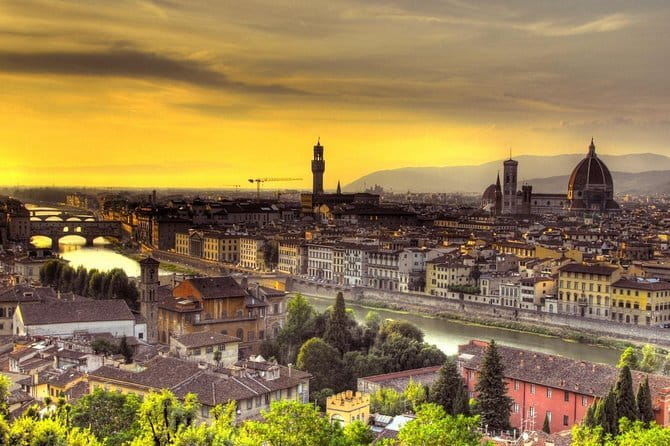
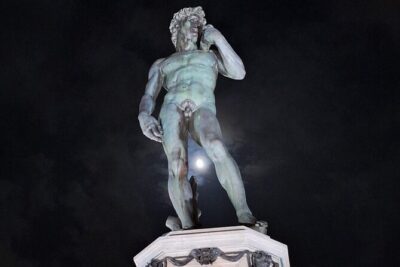
Stop five is Piazza della Signoria—an open-air political and cultural stage dominated by Palazzo Vecchio and major Renaissance statues. This area can feel like a “greatest hits” spot for tourists, but it still works well on a guided introduction because you get context. You’re not just looking at statues; you’re seeing how power was displayed in public space.
I think this is one of the strongest stops on the itinerary because it helps you connect art to government. Florence liked to show its authority in plain sight.
Ponte Vecchio: river views, shop-lined history, and a quick reset
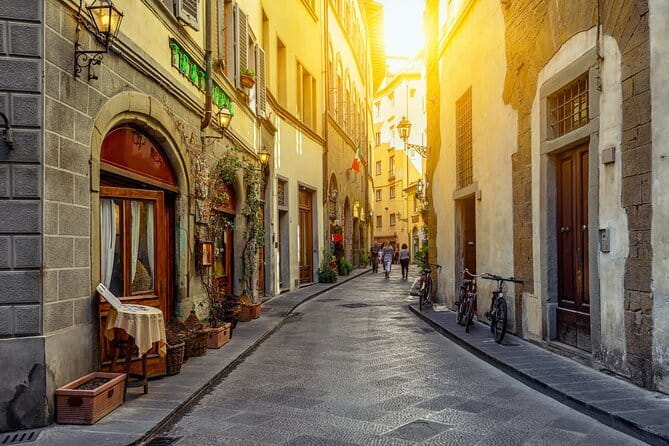
At Ponte Vecchio, you get Florence’s most famous bridge and its long tradition of historic shops. Even if you’ve seen photos, the actual walk-on view is different. The Arno’s angle, the buildings sitting tightly along the river, and the bridge’s geometry make the whole scene feel slightly more theatrical than the rest of the city.
Important: this stop is short. Use it for two things—photos and a mental map of angles. Later, you’ll want to come back for quieter views or for a better look at the shops and river rhythm.
A balanced note from past experiences: some guests felt certain photo/time allocations could be tighter, and one person specifically said they later walked to Ponte Vecchio on their own. So if Ponte Vecchio is your must-see, it’s worth making sure your guide knows you care about getting it at least once for a proper look.
Oltrarno: the calmer, craft-focused side of Florence
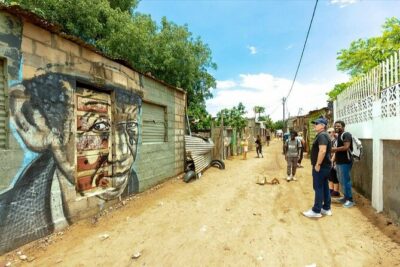
The itinerary then shifts into Oltrarno, widely known for artisan workshops and local rhythm. This is where Florence tends to feel less like a checklist and more like a real neighborhood. The guide-led advantage is that you’ll understand what you’re looking at—workshops, street layouts, and the character of the area—rather than just strolling past without context.
Stop nine is Santo Spirito, a lively square and basilica in the heart of Oltrarno and a favorite meeting point for locals. That word “locals” matters: squares like this are where Florence breathes between tourist landmarks.
If you’re the kind of person who loves people-watching, Oltrarno is a great payoff zone. You’ll get small street moments that make the rest of the tour feel more grounded.
Palazzo Pitti: Medici grand living, not just crown jewels
Next is Palazzo Pitti, a majestic Renaissance palace and former Medici residence. Even from the outside, it communicates scale and confidence—this is power that wanted room to spread out.
This stop is less about “one perfect photo” and more about understanding Florence as a hierarchy of spaces. You’ll likely notice how the city’s monuments divide into layers: civic display, religious authority, and private wealth.
Ponte Santa Trinita and Via de’ Tornabuoni: elegant design to fashion street
Two final touches round out the loop.
First comes Ponte Santa Trinita, a Renaissance bridge known for refined design and panoramic river views. It’s a helpful contrast after Ponte Vecchio: same river, different feel.
Then you walk along Via de’ Tornabuoni, Florence’s luxury fashion street, lined with historic palaces and high-end Italian boutiques. This stop works best if you keep your eyes up—architecture first, storefronts second. Fashion streets in Florence aren’t just shopping; they often sit on older, grander building lines.
If your priorities are strictly art and architecture, you can move through this stretch a little quicker. If you like design and modern luxury in historic settings, it’ll feel like a fitting finale.
Included tickets for Fiesole and the Roman Theatre: a bonus to plan around
One of the tour’s standout values is that admission to Fiesole and the Roman Theatre is included. That’s not nothing. If you’ve ever priced out Rome-style ticketing for big sites, you know small inclusions can add up fast.
How to use this practically: think of this walking tour as your Florence “map builder,” then use the included ticket access to expand your day beyond the center. Fiesole and the Roman Theatre also shift you from Renaissance storytelling to a broader historical arc—Roman roots, hillside viewpoints, and the feeling that Florence grew over layers.
Because your itinerary here is focused on central sights, I’d plan to use the included access as a next-step activity on a second day or later in the same trip, depending on your schedule and energy.
What the best guides tend to do well (and what to watch for)
The guides in this program have earned high praise for high energy and adapting on the fly. You’ll see names like Sebastian, Aldo, Olga, Luca, Vanessa, and Ben pop up in guest feedback—often tied to clear storytelling and keeping the group on track.
I also pay attention to how people describe the timing and pacing:
- When it works best, you get frequent, useful context at each stop, plus time to look around and take photos.
- When it doesn’t, it’s usually about time allocation—like spending too long in one place or not enough time where you expected it—or language clarity.
So here’s my practical approach: before you start walking, tell your guide what matters most to you—Cathedral views, bridges, Oltrarno vibe, or Medici art. Tour customization is listed as part of the experience, so you’ll get better value if you advocate for your priorities early.
Price and value: what $66.37 buys you in Florence time
At $66.37 per person for about 2 hours, you’re not paying for a slow stroll. You’re paying for:
- A certified guide
- Radio system clarity
- Small-group structure (max 20)
- Customization and flexibility (stops on request)
- Included admissions for Fiesole and the Roman Theatre
Is it worth it? In my view, yes if you fit one of these situations:
- You want a strong orientation fast and plan to explore on your own right after.
- You don’t want to pay for separate ticketed access to Fiesole and the Roman Theatre later.
- You’d rather spend your time learning what you’re seeing than figuring it out with a phone while walking in busy areas.
If you’re already a Florence expert and you know every corner by name, you might feel the pacing is more “overview” than “wow.” But for most first-timers, it’s a sensible way to build context without eating the whole day.
Weather, walking pace, and who should book
This experience depends on good weather. That makes sense in Florence, where a lot of the magic is outside on streets, piazzas, and bridges.
Physically, it’s listed as moderate fitness and not recommended for visitors with reduced mobility. You should assume you’ll be on your feet frequently over uneven stone and busy areas.
Who it suits best:
- First-time visitors who want a guided map of key districts
- People who like history but don’t want to spend hours in a single museum
- Groups who benefit from small-group attention
Should you book this Florence walking tour?
I’d book it if you want a structured, low-stress orientation that covers the city’s big emotional beats: Medici ambition, civic power, the river’s drama, and Oltrarno’s neighborhood feel. The radio system, small-group limit, and included Fiesole/Roman Theatre admissions push the value past a basic “walk and point” tour.
I’d skip it or adjust expectations if:
- You need slow, deep time inside major sites rather than quick context stops.
- You know you’ll hate any shopping detours (some past guests mentioned sales-time eating into tour time).
- You prefer to move entirely on your own with zero schedule.
If you want my quick call: for most visitors, this is a strong “first Florence day” anchor. Then use the rest of your trip to return to the stops you care about most and spend longer there.
FAQ
How long is the Florence Walking Tour – Hidden Gems?
It lasts about 2 hours.
Where does the tour start, and where does it end?
The tour starts at Piazza di Madonna degli Aldobrandini, 50123 Firenze FI, Italy, and ends back at the same meeting point.
How much does it cost?
The price is $66.37 per person.
What’s included in the tour?
Included are a certified guide, a radio system to hear the guide clearly, personalized tips, small-group specialization, the ability to request stops, tour customization, and assistance from the team to purchase attraction tickets. Admission to Fiesole and the Roman Theatre is included.
What language is the tour offered in?
The tour is offered in English.
Do I need tickets for the stops?
The itinerary shows multiple stops with Admission Ticket Free, and the tour also notes that the team can assist you with purchasing attraction tickets if needed. For the included sites (Fiesole and the Roman Theatre), admissions are included.
What group size should I expect?
The tour has a maximum of 20 travelers.
Is there a mobile ticket?
Yes, the tour includes a mobile ticket.
What if the weather is bad?
This experience requires good weather. If it’s canceled due to poor weather, you’ll be offered a different date or a full refund.
Can I cancel for a refund?
Free cancellation is available up to 24 hours in advance for a full refund.