REVIEW · FLORENCE
Florence: Walking Tour with David, Duomo & Uffizi Gallery
Book on GetYourGuide →Operated by the tour guy · Bookable on GetYourGuide
Skip the lines and see Florence’s art. I love that this tour uses skip-the-line entry to the Accademia and Uffizi, so you spend more time looking and less time waiting. I also like the small group size (up to 15), which helps your guide keep a steady pace while still making space for questions.
One catch to plan for: you don’t get inside the Duomo. The tour focuses on exterior views of Santa Maria del Fiore and nearby stops, so you’ll need a separate ticket if the cathedral interior is on your must-do list.
In This Review
- Key highlights you’ll feel right away
- Why This Florence Route Feels Efficient (and Still Human)
- Meet at Piazza Santissima Annunziata: the tour’s starting vibe
- Accademia Gallery: the fastest path to David’s details
- Duomo area exterior views: stunning, but not a ticketed visit
- The Medici orbit: Medici Riccardi, Dante’s house, and Orsanmichele
- Mercato del Porcellino: a lucky stop with real local texture
- Piazza della Signoria and Loggia dei Lanzi: where politics becomes sculpture
- Ponte Vecchio: the photo stop that actually tells a story
- Lunch break: use the hour to reset your museum brain
- Uffizi Gallery: how to keep the masterpieces from blurring together
- What the “4 to 7 hours” range really means for planning
- Price and value: is $111 a fair deal?
- Who should book this tour, and who might want something else
- Should you book it?
- FAQ
- What’s the main focus of this Florence tour?
- Where do I meet the guide?
- Does the tour include entry into the Duomo?
- Is Uffizi included on all options?
- How long is the tour?
- Are there any rules for bags or liquids?
Key highlights you’ll feel right away
- Priority access at Accademia and Uffizi so your day stays on schedule
- Michelangelo’s David up close, plus a guided look that helps you see details you’d miss alone
- A Medici-and-Renaissance route on foot, moving through Florence’s political art centers
- Mercato del Porcellino and Piazza della Signoria stops for iconic photos and quick local culture moments
- Uffizi guidance that helps you choose what matters, especially if the museum sounds overwhelming on paper
- Real small-group energy, with guides who keep things lively (and even use audio gear in crowded rooms)
Why This Florence Route Feels Efficient (and Still Human)
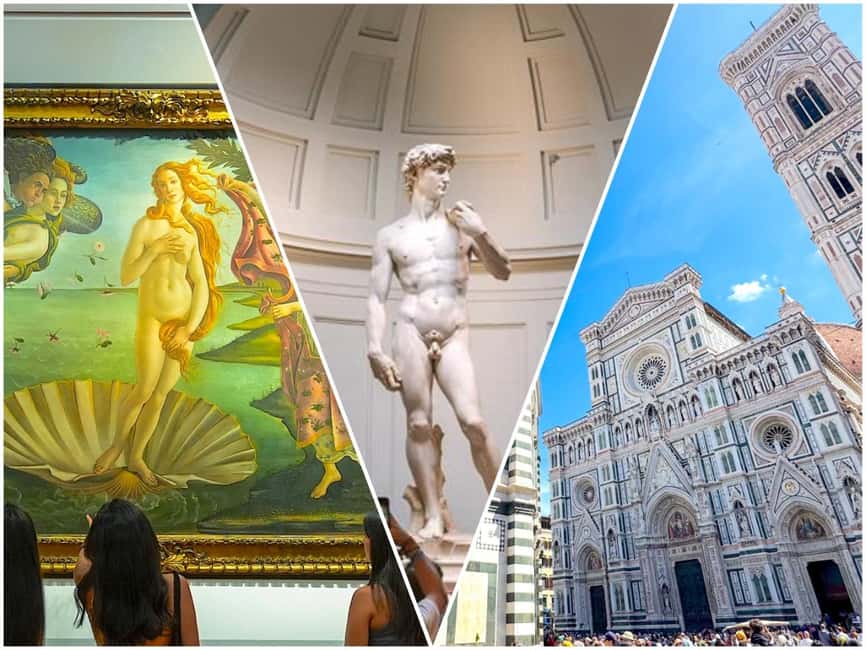
Florence has two modes: museum lines, and walking-between-masterpieces. This tour is built for the first part. You start with priority entry into the Accademia, then continue through the city to the Uffizi with a guide steering the order and the context. The goal is simple: see big-name art, but also understand what you’re looking at so it sticks.
The walking portion matters too. You’re not just bouncing between ticket windows. You move through the squares and streets where the Medici family’s influence played out in real time, then you hit the museums while your brain is still in Renaissance mode. That makes the artwork easier to connect to politics, religion, and power.
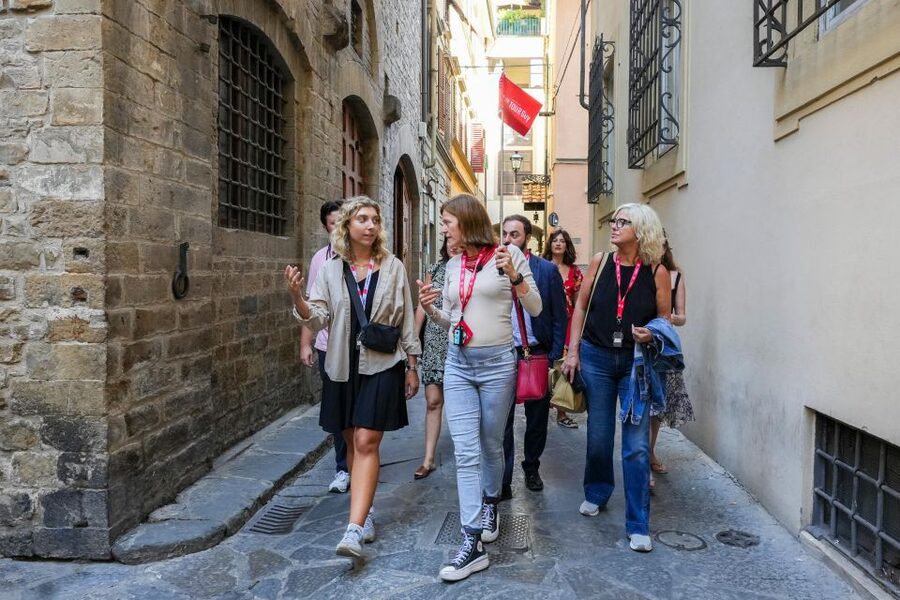
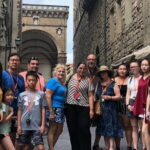
Group size is one of the biggest practical benefits here. Up to 15 means you’re not lost in a crowd with 200 other people. When your guide can keep track of everyone, the tour feels calmer, and you’re more likely to get those little “look here” moments.
You can also read our reviews of more walking tours in Florence
Meet at Piazza Santissima Annunziata: the tour’s starting vibe
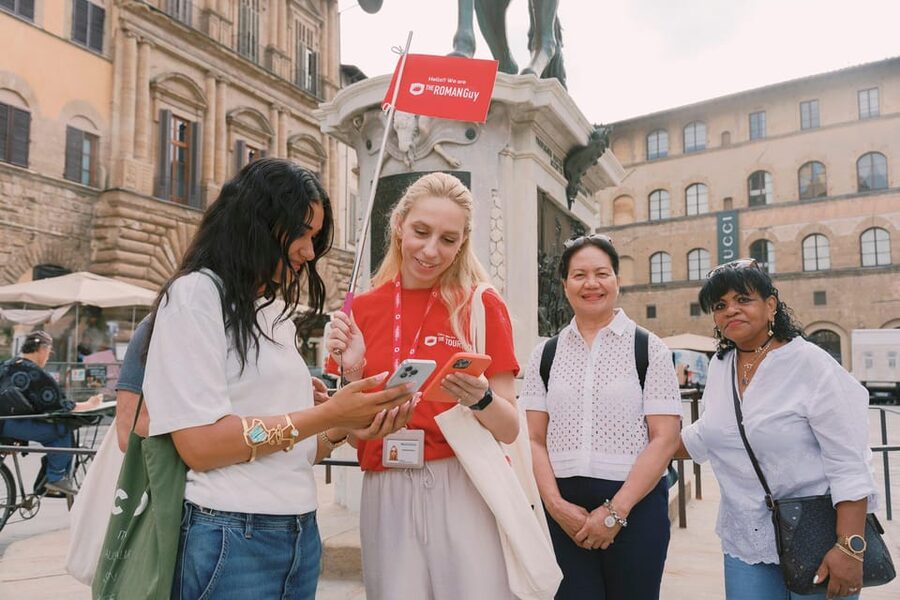
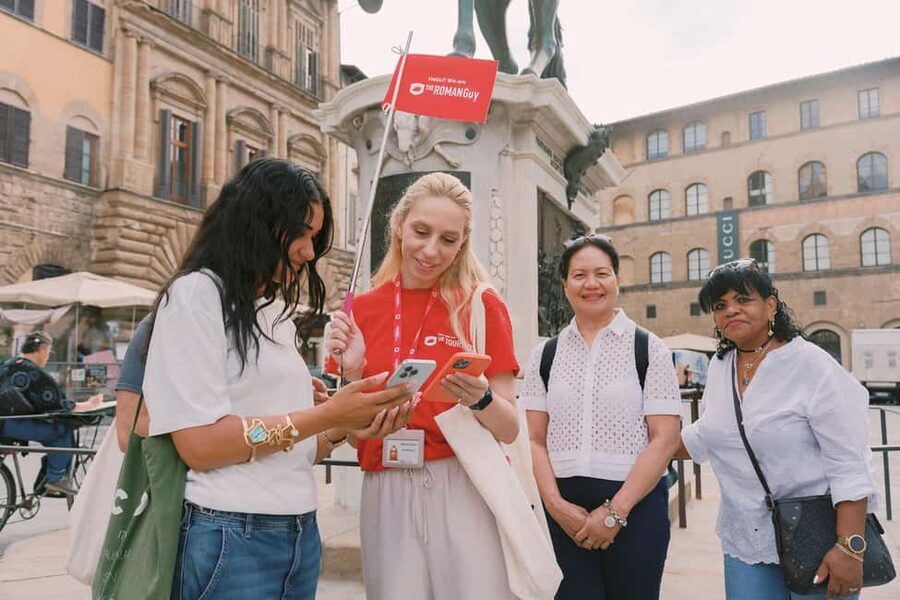
You’ll meet your guide in Piazza Santissima Annunziata, right in front of the Statua Equestre di Ferdinando I de’ Medici on horseback. A representative will be there holding a sign that says The Tour Guy.
This is a good place to start because it sets the theme immediately: Medici power. Florence isn’t just beautiful buildings; it’s families and patronage systems. Starting near a Medici statue makes the rest of the day feel less random as you pass through the city’s key political and artistic sites.
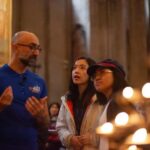
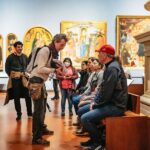
Your guide is professional and English-speaking (and sometimes Spanish too, depending on the group). Many guides also use an audio system with earpieces in louder museum spaces, and that’s a big deal in Florence. You want to hear the story clearly, not just “mostly” hear it over other visitors.
Accademia Gallery: the fastest path to David’s details
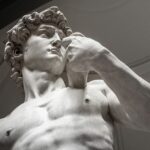
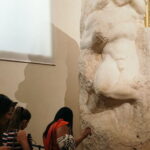
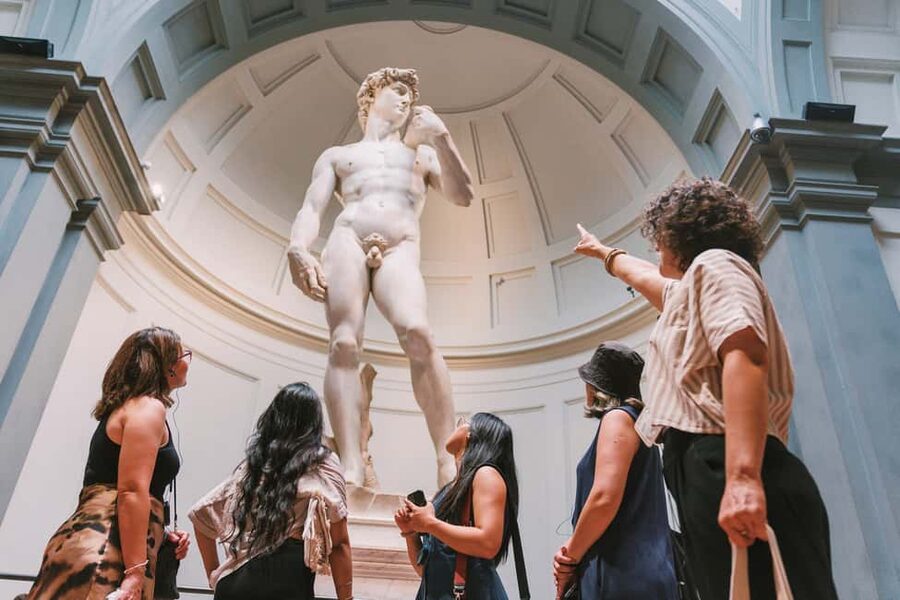
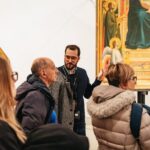
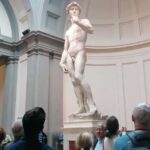
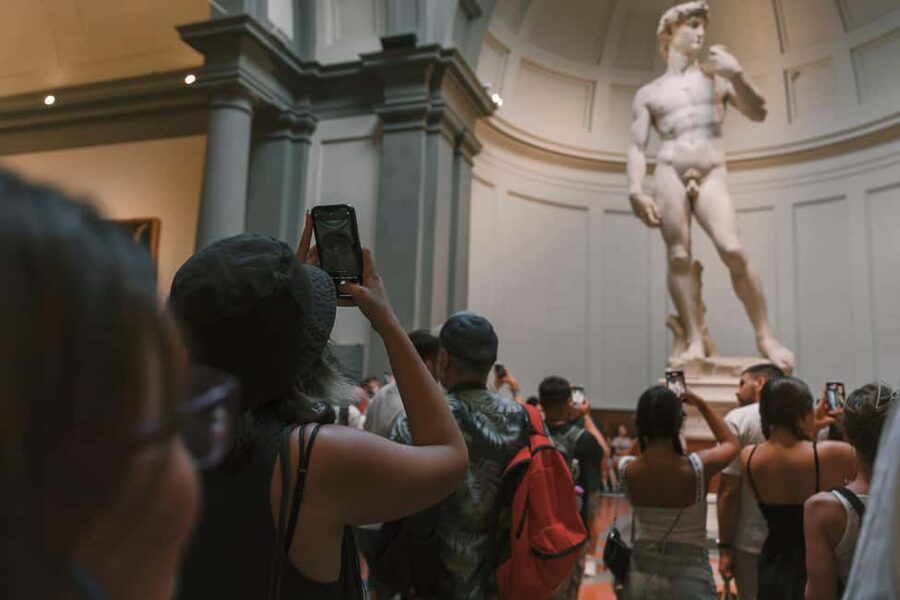
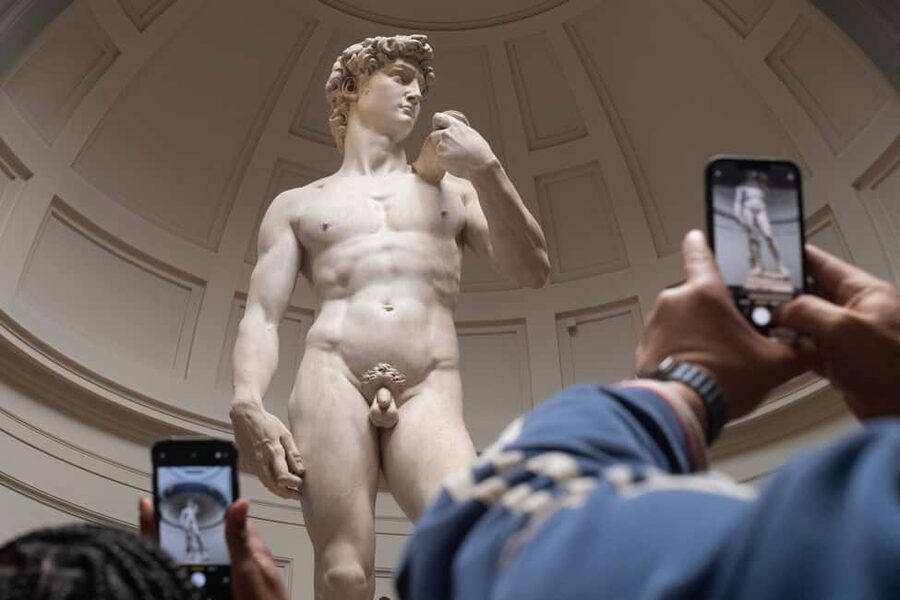
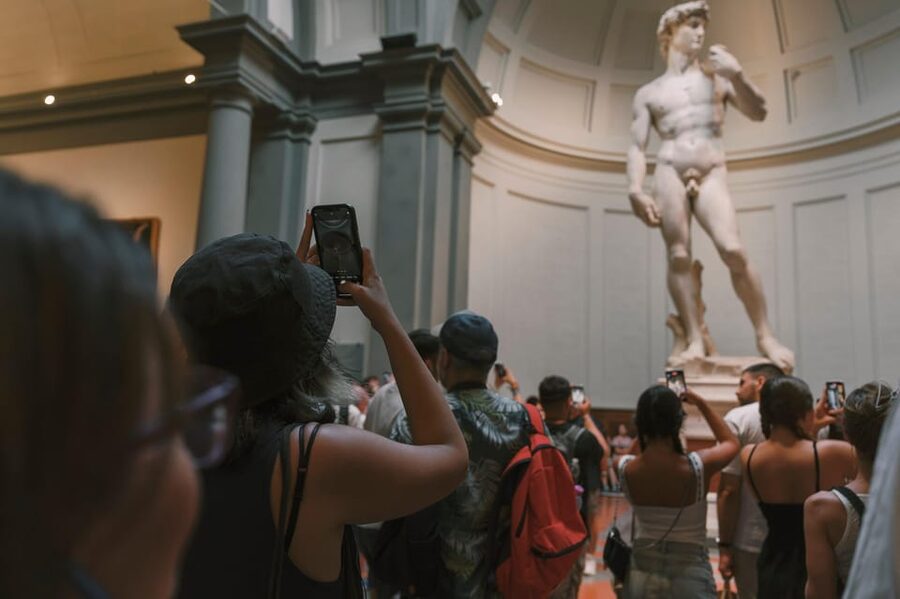
The Accademia is where the tour earns its keep. You’re getting timed, skip-the-line access and then a guided visit (about 45 minutes). After that, you’ll spend extra time specifically for Michelangelo’s David—including a short photo stop and a guided look.
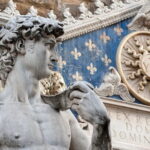
Why this matters: David is famous, but it’s also easy to misunderstand if you only see the statue as a single icon. A good guide helps you notice things like the intensity of the expression, the anatomy, and the choices Michelangelo made that explain why this sculpture became a symbol far beyond its original setting.
Many groups also go through with a “let’s find the best viewing angle” mindset. That’s exactly what you want with David. If you’ve ever stood in a museum and felt like you were looking at a poster, this is the antidote. With guidance, you’re looking at sculpture the way it was meant to be read.
A realistic expectation: you’ll still do some security checks. Skip-the-line mainly means you avoid the worst ticket queues, but museums are still museums. The payoff is that you’re moving in the right direction quickly, not burning time.
Duomo area exterior views: stunning, but not a ticketed visit
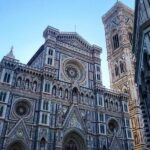
After the Accademia, you’ll head toward Florence’s most iconic landmark: the Duomo complex, including photo and passing stops around Santa Maria del Fiore. Expect epic Gothic architecture and that famous red-domed look that defines the skyline.
Here’s the balance: you get the sightlines and the snapshots, but you don’t go inside as part of this experience. If your dream is to climb or tour interior spaces, treat those as separate add-ons. Think of this portion as orientation and atmosphere—like setting the scene for the art you’re about to see.
If you’re the type who likes to appreciate buildings from the outside first, you’ll enjoy this segment. If you’re aiming for a full religious and architectural deep ticket list, you’ll likely feel you need more time here after the tour finishes.
The Medici orbit: Medici Riccardi, Dante’s house, and Orsanmichele
Between the museums, you’ll walk through Florence’s dense web of names. The tour includes photo and sightseeing stops such as:
- Palazzo Medici Riccardi (quick photo stop)
- House of Dante (photo stop)
- Orsanmichele (photo stop)
These stops are shorter by design. You’re not turning them into half-hour detours. Instead, they act like markers on a story. A guide ties them together so they don’t feel like random photo ops.
This is where I think the small-group setup really shows. When your guide can point out why a place matters, you start seeing patterns: where patronage influenced art, where civic power showed up, and how Florence’s identity stayed Renaissance even as centuries passed.
If you want to slow down for backstreets and less crowded angles, the best approach is to take the “quick stop” moment seriously and use it to reset your bearings. Then, later in your free time, you can revisit whatever pulled you in.
You can also read our reviews of more museum experiences in Florence
Mercato del Porcellino: a lucky stop with real local texture
One of the most charming breaks is the stop at Mercato del Porcellino, home to the famous bronze boar. The guide typically reminds you of the ritual—rub the snout for luck—and you can toss a coin into the fountain if you want the full tradition moment.
The market area also does something useful: it breaks the museum rhythm. After hours of marble and painted panels, you get a sensory reset. You’ll also see how Florence markets and leather goods culture keep a daily pulse beyond the big-ticket sights.
You’ll have a bit of time here as part of the flow (around 15 minutes). Use it to stand back, grab a quick photo, and get ready for the next heavyweight sequence of squares and palazzos.
Tip I’d follow: don’t try to shop hard during the “photo + break” window. Use the time to recharge. If something catches your eye, come back later.
Piazza della Signoria and Loggia dei Lanzi: where politics becomes sculpture
Next up is Piazza della Signoria, one of the most important public spaces in Florence for art that doubles as civic messaging. You’ll pass through and get photo time, then move toward the Loggia dei Lanzi.
You’ll also see Palazzo Vecchio and then continue toward Ponte Vecchio later. Taken together, these stops give you an architectural and artistic map of how Florence displayed power. The Medici and the wider city government didn’t just fund artists—they put the art in the open, where citizens would constantly encounter it.
This section can be busy, but it’s also where the guided layer pays off. If you’re just walking through on your own, it’s easy to see buildings and sculptures without knowing what they were meant to communicate. With a guide, you start reading the square like a page.
Ponte Vecchio: the photo stop that actually tells a story
Ponte Vecchio is included with a photo stop and time to look around. It’s one of those places where a quick look can turn into a long stare if the light is right.
And it’s more than a postcard bridge. It connects the civic and artistic Florence you’ve just been walking through with the daily life around it. It also gives you a visual break before lunch and the Uffizi segment, which is where the museum time ramps back up.
If you’re hoping for a calm, empty bridge: pick a calmer moment with your guide, then step back and let the crowd energy wash around you. It’s still worth it.
Lunch break: use the hour to reset your museum brain
The tour includes free time for lunch (about one hour). This matters more than it sounds. Uffizi is not one of those museums where you can “power through” without a mental reset.
During lunch time, choose something practical. Eat somewhere close enough that you don’t waste the last 20 minutes scrambling. If you love simple food stops, stick to that plan. If you want a sit-down meal, use the hour to actually sit, drink water, and recover your focus for the next gallery segment.
I also like that this tour doesn’t force you into a set menu. It leaves room for your preferences, even if the best choice depends on what day and what crowds you hit.
Uffizi Gallery: how to keep the masterpieces from blurring together
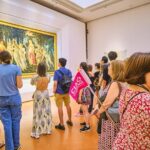
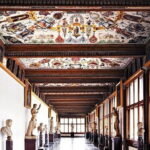
The Uffizi is where many visitors feel overwhelmed, because it’s huge and full of famous names. This tour handles that problem by pairing timed access with a guided visit (about two hours).
You’ll get skip-the-line entry and then structured guidance through the museum. That structure is the difference between seeing artwork and understanding it. When you hear why certain works were made, what symbols mean, and how the artists connect to Florence’s world, the gallery stops feeling like a long corridor of frames.
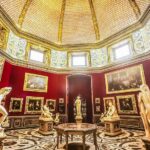
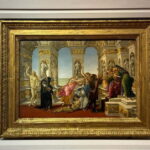
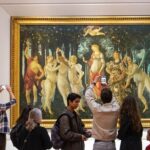
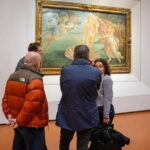
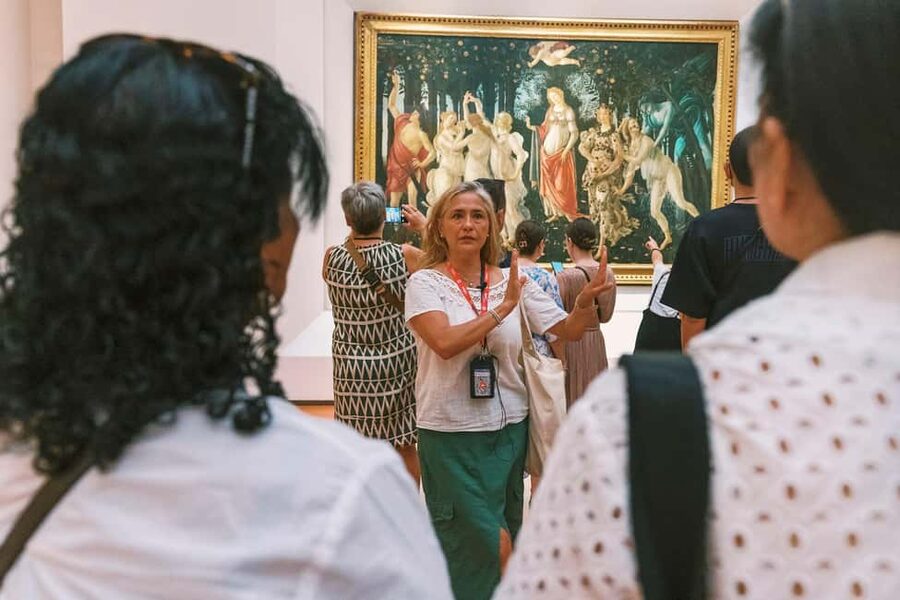
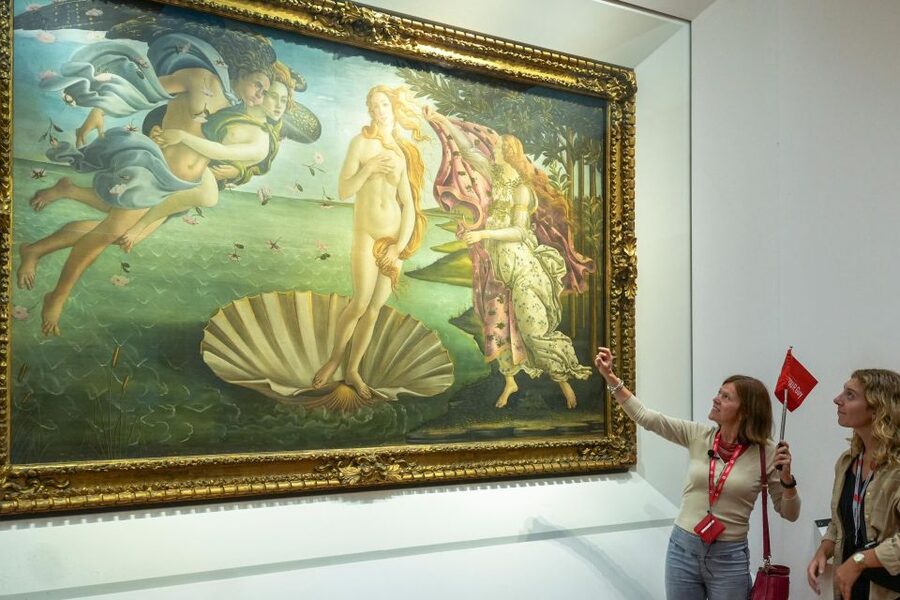
The Uffizi stops include major highlights such as Botticelli’s Birth of Venus and works like Da Vinci’s Annunciation. There’s also plenty more along the way, but the point is that you don’t just walk past the headlines. You learn how to look.
One thing I really value here is pacing. Many guides keep a balance: enough detail that the art makes sense, but not so much that you lose the emotional impact. And if your guide has a good “room-by-room” sense, you’ll find the visit easier to follow even when the museum is crowded.
Also note: the Uffizi has rules about what you can bring. The museum doesn’t allow liquids inside, so skip water bottles. You can bring baby bottles or medicine liquids if needed, but plan around that for normal sightseeing.
You’ll also pass through security checks at the entrance, so don’t expect zero waiting. Still, the priority entry is what keeps the day from turning into a line marathon.
What the “4 to 7 hours” range really means for planning
The duration on this type of tour can vary (listed as 4–7 hours). The big reason is whether you’re doing the full-day option that includes both galleries and the walking route, versus a shorter half-day format that cuts out some of the city stops.
If you do the full-day experience, you should expect:
- Accademia with guided time
- David focus time and photo moments
- Exterior/short sightseeing passes around major landmarks
- Lunch with about an hour free
- Uffizi with guided time
If you only do a half-day option, you may miss the longer walking sequence and the full Uffizi experience. So, if Uffizi is a non-negotiable for you, choose the option that explicitly includes that museum segment.
In either case, wear comfortable shoes. This is a walking tour plus museum time, not a seated experience.
Price and value: is $111 a fair deal?
At $111 per person, the value is really about what you get bundled together:
- a professional English-speaking guide
- skip-the-line access and guided time at both Accademia and Uffizi (on the full-day option)
- a structured route connecting the city’s major sights
If you were to do this on your own, you’d still be paying for timed entry and likely paying for some kind of guide service to get context, especially for the Uffizi. The guided format is what makes the price feel fair, because without guidance you’d spend more time “finding your way” through rooms and less time learning how to look.
You’re also paying for time saved. In Florence, ticket lines and security queues can eat half a day fast. Avoiding the worst of it keeps you from feeling like the art happens at arm’s length.
So yes, it’s not a budget tour, but it’s priced like a day that replaces multiple separate decisions with one plan.
Who should book this tour, and who might want something else
This is a strong fit if you:
- want the headline masterpieces—David, plus Uffizi greats—without losing hours to queues
- like guided context so the art has meaning, not just name recognition
- enjoy a guided walk through Florence’s squares and Medici-adjacent landmarks
- prefer a small group setting (max 15)
It may not be the best choice if you:
- need full inside access to the Duomo (this one is exterior only)
- want a very slow pace or lots of long shopping stops
- have mobility constraints, since it isn’t suitable for people with mobility impairments or wheelchair users
Should you book it?
If you want a reliable Florence day that hits the big art targets and also teaches you how to see them, I’d book this. The combination of timed entry, guided museum time at both Accademia and Uffizi, and a walk through the city’s central landmarks is exactly the kind of planning that protects your limited time.
Book it even if you’re not an art scholar. The guide focus makes the Uffizi feel manageable and turns David from a statue you recognize into one you understand.
FAQ
What’s the main focus of this Florence tour?
It’s a guided walking day that combines major Florence sights with guided visits to the Accademia Gallery and the Uffizi Gallery, including skip-the-line entry.
Where do I meet the guide?
Meet in Piazza Santissima Annunziata in front of the equestrian statue of Ferdinando I de’ Medici. A representative holding a sign with The Tour Guy will be there.
Does the tour include entry into the Duomo?
No. The tour includes exterior views and photo/pass-by stops around the Duomo area, but Duomo entry is not included.
Is Uffizi included on all options?
The Uffizi guided visit is included in the full-day option only, not in the half-day option.
How long is the tour?
The listed duration is 4 to 7 hours, depending on the option and starting times.
Are there any rules for bags or liquids?
Yes. Large bags and luggage aren’t allowed, and you may need to check bags at the museums. The Uffizi does not allow liquids inside the museum, so avoid bringing water bottles.