REVIEW · ROME
Rome by Night Private Golf Cart Tour
Book on GetYourGuide →Operated by Rome Grand Tour · Bookable on GetYourGuide
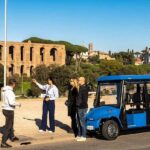
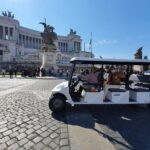
Rome looks magical after dark, and this private golf cart tour turns big sights into an easy evening loop. I love the photo stops built into the route, because you get time to actually frame the lights, not just snap and rush. One possible drawback: you’ll still be outside between stops, so rain can make things soggy fast.
What keeps me sold is the flexibility. The guide will ask what you want to see most and then shapes the evening around you, while covering major monuments in a 2.5-hour run that feels practical, not frantic.
In This Review
- Key Highlights Worth Booking For
- Why a Golf Cart Tour Is the Best Way to See Rome by Night
- How the 2.5-Hour Private Route Fits Your Schedule
- Roman Forum After Dark: From Ruins to Stage Lights
- Sant’Ignazio di Loyola and the Church Stops People Often Miss
- Spanish Steps and Trevi Fountain: Photo Time on a Night-Friendly Plan
- Colosseum at Night and the Smart Use of Short Visits
- Janiculum Hill Overlooks for One-Last-Photo Rome
- St Peter’s Square to Castel Sant’Angelo: Vatican Views, Then Wind Down
- Italian Aperitif with a View and the Local-Guide Touch
- Price and Value: What $105 Really Covers
- Small Details to Get Right Before You Go
- Who This Tour Fits Best in Your Rome Plan
- Should You Book This Rome by Night Golf Cart Tour?
- FAQ
- How long is the Rome by Night private golf cart tour?
- What does the tour cost?
- Does this tour include pickup?
- Is this a private group tour?
- What language is the guide?
- Are entrance fees to monuments included?
- What time does the tour usually start from?
- What is the cancellation policy?
Key Highlights Worth Booking For
- Guides who work with your wish list: You can hear stories and adjust the route based on what you care about most, and the driving stays smooth through tight streets.
- Built-in time to wander and photograph: Each stop includes a mix of brief visiting, photo time, and small breaks.
- The Colosseum and Vatican zone without the full daytime chaos: Night lighting helps, and the pace stays calmer than day crowds.
- Churches and viewpoints that connect the dots: Stops like Sant’Ignazio di Loyola and Janiculum Hill help Rome feel like one story.
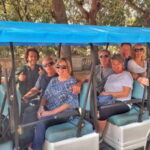
- Comfort details that matter when you cruise at night: Seatbelts and weather protection (doors/coverings) help, though heavy rain can still reach your lower legs.
- Italian aperitif moments with city views: A typical aperitif adds a local touch to the sightseeing flow.
Why a Golf Cart Tour Is the Best Way to See Rome by Night

Rome at night feels less like sightseeing and more like theater. The same monuments you see in daylight take on a different scale once they’re lit from below or framed against darker streets. With a golf cart, you’re not worn out by constant walking, and you can focus on the parts that make you pause.
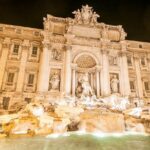
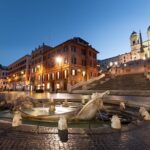
I also like the human pace this format encourages. You’re not stuck in a line for every photo or forced to sprint between landmarks. Instead, you get short breaks where you can stand, look around, and take photos that actually capture the night glow—especially at places like the Trevi area and the Spanish Steps.
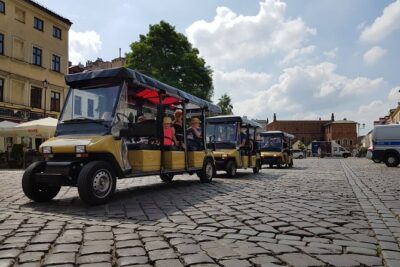
The eco-friendly angle is a nice bonus, but the real win is how it changes your rhythm. You glide between zones and arrive ready to pay attention. If you’re visiting for a short time or you’ve already walked Rome in the daytime, this is a smart way to reset and still see the big hits.
You can also read our reviews of more private tours in Rome
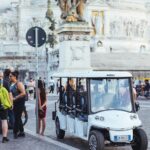
How the 2.5-Hour Private Route Fits Your Schedule
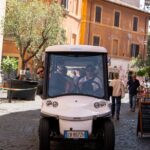
This is a private experience, so you’re not wrestling a large group through narrow lanes. That matters in Rome, where small changes in timing can mean less crowd pressure at one stop and more at another. The tour length is about 2.5 hours, which is long enough to cover several major monuments but short enough to keep the night enjoyable.
You’ll start with pickup in the city center area. If your hotel sits outside the center, you’ll meet at another central point such as a monument or restaurant. Once you’re in the cart, the guide introduces the plan and then works with you to fine-tune it. In practice, that means you can push for the views you care about most and spend less time on the stuff you can see later.
A big value point here is efficiency without feeling like a checklist sprint. The tour uses a mix of quick stops and scenic cruising, with a local guide providing context so you’re not just staring at lights. You’re also not stuck watching only from the cart—you typically get brief walk-and-photo moments at each main stop.
Roman Forum After Dark: From Ruins to Stage Lights
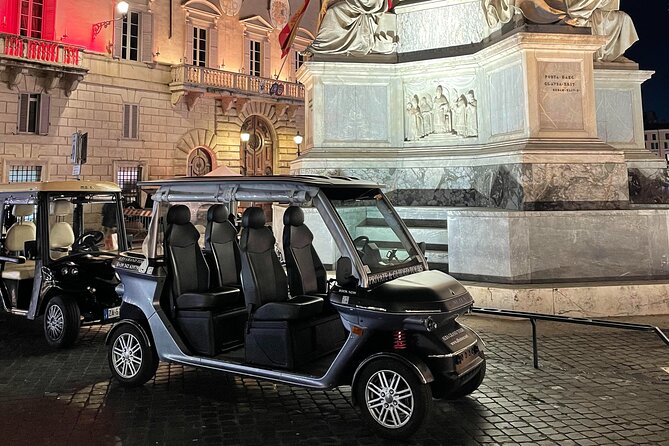
Roman Forum at night is one of those experiences that feels instantly different. The ruins aren’t just old stones anymore; they become shapes in a dark skyline, and the lighting makes them easier to understand at a glance. Plus, night gives the area a quieter mood. You can stand in one spot and let your eyes adjust without the same daytime crush.
In this tour, Roman Forum is treated as more than a pass-by. You get a photo stop and short visit time, plus a bit of free time for looking around. Expect to move at a light pace, not a long hike, but still enough walking to appreciate textures and spacing.
The other practical advantage is context. A good guide helps you connect what you’re seeing to how Rome worked in its prime—so your photos aren’t random angles. When the guide, like Luca or Ivan, sets the scene, you start noticing alignments and sight lines that you’d miss if you were just wandering on your own.
If you’re sensitive to crowds, this is a solid choice. If you’re sensitive to uneven ground, wear supportive shoes, because even a short stop in an ancient area can include small steps and uneven paving.
Sant’Ignazio di Loyola and the Church Stops People Often Miss
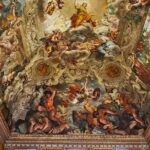
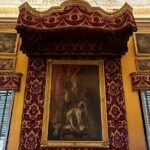
Not everyone plans a church stop for the first night in Rome, but Sant’Ignazio di Loyola can be a great counterbalance to the big outdoor monuments. It’s the kind of place that adds variety to the evening and gives you a break from walking between landmarks.
On this tour, the church stop includes time for a photo moment and a visit, along with walking and a bit of free time. That structure is helpful because churches can feel overwhelming if you only get a minute. Here, you can actually look around, step back for photos, and then re-enter the evening with fresher energy.
The guide component is especially important in a church setting. When Dom or Fabio is steering the story, you’re more likely to understand what you’re looking at instead of treating it like a quick interior stop. Even if you’re not a hardcore art history person, you’ll likely pick up enough to make the visit feel personal.
One consideration: church interiors can be darker than you expect. If you’re planning low-light photos, be ready for slower phone camera shutter speeds and consider turning on your device’s night mode if you use it.
Spanish Steps and Trevi Fountain: Photo Time on a Night-Friendly Plan
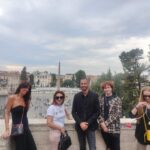
The Spanish Steps are famous for a reason, and at night they take on a more relaxed vibe. Instead of fighting for position in peak daylight, you get an evening moment that’s easier to enjoy. On this tour, you get photo time and a short visit window plus free time. That’s enough to take a few good shots without feeling like you’re sprinting.
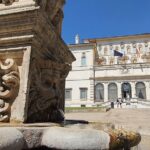
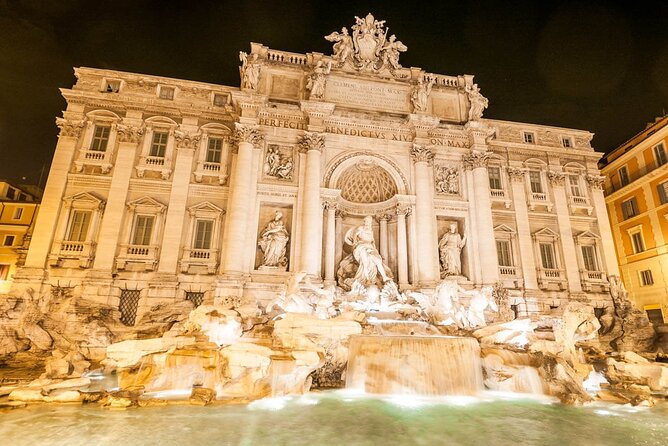
Trevi Fountain is another place where night changes everything. Even if you’re just there for the lights, it’s one of the best subjects in Rome after dark. The tour includes a photo stop and visit time, plus a small buffer for you to wander around the fountain area.
Here’s why I think this combo works on the same evening: you get two classic Rome photo magnets, but you also get breathing room. The stops are scheduled so you’re not bouncing back and forth across the city for different landmarks. You’re finishing with a natural flow toward viewpoints and the Vatican zone.
A practical tip: for Trevi, keep your expectations realistic. It’s always a busy place at some level, but night often makes it easier to get photos without the same daytime pressure. Bring your patience and focus on angles, not perfection.
You can also read our reviews of more evening experiences in Rome
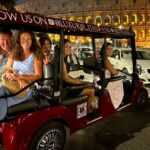
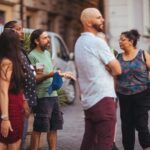

Colosseum at Night and the Smart Use of Short Visits
The Colosseum at night is the payoff for a lot of people, and I get it. The lighting makes the structure readable from a distance, and photos can look dramatic without you needing special gear. On this tour, you get a photo stop and short visit time, with a bit of free time too.
The key word is short visit time. This isn’t a long, ticketed deep-dive inside every corner. Instead, you get what the format does best: the big exterior experience plus guide context, then you move on. That’s a smart trade if you’re trying to see a lot in limited time.
If you want interior access, entrance fees are not included. So you may still need separate tickets for inside sections depending on what you want to do. For the purposes of this evening tour, you’ll likely feel satisfied by the exterior views and the story your guide tells while you’re there.
This stop also tends to be where the guide shines. Many of the best moments in the reviews center on guides like Carlo, Giulia, and Ryan-style energy, where you can ask questions and keep the pacing comfortable. When the guide is responsive, the Colosseum becomes more than a photo background.
Janiculum Hill Overlooks for One-Last-Photo Rome
Janiculum Hill is the kind of stop that turns the evening from landmark hopping into something more cinematic. Overlooks are where you feel the city’s scale, and at night Rome sprawls in a way that photos capture beautifully.
This tour includes Janiculum Hill with photo time, a visit window, plus free time for looking out. There’s also time to cruise there and back along scenic routes. That matters because the best view moments often happen when you arrive, pause, and let your eyes adjust.
I like that the tour builds in a viewpoint after the heavier monument stops. By the time you reach Janiculum, you’ve seen the iconic architecture. Now you can breathe, relax, and take photos that show the whole city instead of only one building.
If you’re sensitive to cold evenings, bring a layer. Hill overlooks can feel cooler once the cart ride ends and you stand still for photos. Also, if you’re bringing a camera, consider bracing yourself with a steady stance rather than trying to shoot while moving.
St Peter’s Square to Castel Sant’Angelo: Vatican Views, Then Wind Down
The Vatican area is a lot in a short time, but this tour handles it with smart pacing. St Peter’s Square is included with photo time and a visit, then you move along with scenic drive segments that keep the night flowing.
After that comes Castel Sant’Angelo, another place that looks instantly different after dark. The tour gives you a brief stop for photo time and visit time, plus free time so you can decide how long you want to linger. That flexibility is helpful because people often have different preferences here: some want photos, others want quiet observation.
One reason this route works is the sequencing. You’re not bouncing around randomly; you’re moving from one icon zone to the next. It feels logical, which keeps the evening from becoming exhausting.
In the reviews, the theme is time that isn’t rushed. Guides like Giulia and Dom are often praised for letting people take pictures and then answering questions. That makes a difference at the Vatican sites, where it’s easy to feel hurried if your tour is purely a drive-by.
If you’re aiming to hit both St Peter’s Square and Castel Sant’Angelo without burning your entire evening, this part of the tour is a strong value.
Italian Aperitif with a View and the Local-Guide Touch
One of the nicest surprises in this style of night tour is that you don’t just see Rome; you get small moments of local routine. This experience typically includes an Italian aperitif overlooking the city. Even if it’s brief, it turns the cart ride into an actual evening plan.
Aperitif time also gives you a natural pause in the schedule. After a couple of landmark stops, you may feel like you’ve been looking at stone and lights for too long. A drink and a view help reset your energy and help you slow down.
The other part that makes this feel more than sightseeing is the guide’s personality. In the feedback, guides such as Ivan, Fabio, Luca, and Carlo are repeatedly mentioned for being engaged and willing to tailor the night. That usually means the guide listens when you say you want more time at photos, or when you want to focus on monuments over churches.
This is also where you can ask practical questions for your remaining Rome time, like what areas are calm later in the evening or where to aim for dinner. Just don’t expect the tour to replace all planning; it’s one evening, not your whole itinerary.
Price and Value: What $105 Really Covers
At $105 per person for about 2.5 hours, this isn’t the cheapest way to tour Rome. But it also isn’t trying to be. You’re paying for three things that add real value in this city: private pacing, guided storytelling, and transport that saves energy.
Transport is a big deal. Rome is full of short distances that still add up quickly, especially at night when you’re tired and streets can feel confusing. The cart helps you cover major sights efficiently and arrive ready to enjoy the view rather than spending the night navigating and walking nonstop.
The guide adds value beyond facts. A good guide shapes your stops based on your preferences. Reviews repeatedly highlight guides adjusting the plan and taking the time at each spot, with people liking that they weren’t rushed. That’s exactly what you want for a short Rome evening.
What the price doesn’t cover is entrance fees to monuments. So if your dream includes interior access at certain sites, budget separately. But if you primarily want night views, exterior monument time, and a guided framework, the price can feel fair for what you get.
Small Details to Get Right Before You Go
A golf cart can be comfortable, but night weather is real in Rome. One review mentioned heavy rain and that the cart’s zipped doors didn’t fully cover ankles and feet while walking through puddles. I’d treat that as a warning: bring rain protection if the forecast looks wet.
Also plan your footwear. You might do short walks at each stop, and you don’t want to arrive in shoes that make every cobblestone feel dangerous. Even in good weather, you’ll want grip for uneven pavement and stone edges.
If you’re doing photography, set expectations. You’ll get photo time at nearly every main stop, but some places may require you to step back to keep safe. Use the free time to reposition and capture a couple of angles rather than trying to get everything from one spot.
Finally, remember the tour languages include English and Italian. If your Italian is limited, you’ll still be fine with English guidance. It also helps to jot down your must-see list ahead of time, since the guide often asks what you want most and you’ll get better value if your priorities are clear.
Who This Tour Fits Best in Your Rome Plan
This tour fits best if you want iconic Rome fast and with less fatigue. If your daytime plan included museums, long walks, or heat that drained you, the cart format gives your legs a break without sacrificing the main sights.
It’s also ideal for first-timers who want a guided overview that makes the city feel connected. Stops like Roman Forum, Spanish Steps, the Colosseum, Trevi, Janiculum Hill, and then the Vatican zone help you understand how Rome’s neighborhoods relate.
If you love photos, this tour is built around them, with repeated photo stops and time to wander. It’s also a good choice for people who prefer calmer night atmosphere over daytime lines and density.
On the other hand, if you want deep interior museum time or long ticketed experiences, you’ll need to add those separately. This is about seeing a lot and learning what you’re looking at, not about replacing full visits inside every monument.
Should You Book This Rome by Night Golf Cart Tour?
Yes, I’d book it if you want a smooth, guided evening that covers the big sights without draining your energy. The strongest reason is the combination of private pacing, stops with time to photograph, and a guide who listens and adjusts. In short, you get a night version of Rome that feels doable.
But skip it or plan differently if weather could derail you and you don’t want to deal with wet walking between stops. Also, if you’re only satisfied with inside-access tickets, factor in that entrance fees aren’t included.
If your goal is a memorable Rome night with a logical route, good photo time, and a guide-driven story, this is a very solid pick.
FAQ
How long is the Rome by Night private golf cart tour?
It lasts about 2.5 hours.
What does the tour cost?
The price is listed at $105 per person.
Does this tour include pickup?
Yes. Pickup from city-center hotels is included, and you can also be picked up from other central points if your hotel is outside the city center.
Is this a private group tour?
Yes, the tour is a private group.
What language is the guide?
The live guide provides English and Italian.
Are entrance fees to monuments included?
No. Entrance fees are not included.
What time does the tour usually start from?
It typically begins from a central meeting point in Rome, often near landmarks such as the Colosseum or Pantheon.
What is the cancellation policy?
You can cancel up to 24 hours in advance for a full refund.