REVIEW · ROME
Rome: Doria Pamphilj Gallery Private Tour
Book on GetYourGuide →Operated by Rome Guides · Bookable on GetYourGuide
Art in a private palace feels personal. This 2-hour visit to the Doria Pamphilj Gallery pairs great paintings with a local guide who puts them in context, room by room. You’ll walk a collection spread across four wings, with works arranged in chronological order from floor to ceiling.
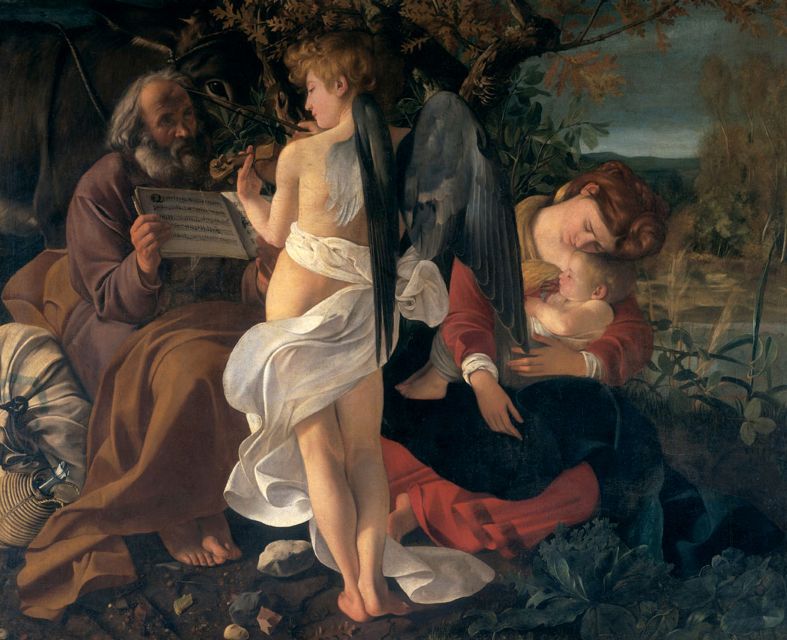
I love two things right away: first, the chance to focus on major names in a calmer, more direct way than big-group museum marathons. Second, you get specific “why this matters” storytelling around paintings like Titian’s Salome with the Head of John the Baptist and early Caravaggio works such as Rest on Flight to Egypt and Penitent Magdalen.
One drawback to flag: this tour is not recommended for people with limited mobility, and it’s not suitable for wheelchair users. So if you use a wheelchair or need step-free access, you’ll want to consider another option.
In This Review
- Key highlights you’ll actually feel in the tour
- Why the Doria-Pamphilj Palace Collection Works So Well in Private
- Meeting Up and How the 2-Hour Flow Stays Manageable
- The Gallery Layout: Four Wings and a Chronological Walk-Up
- Caravaggio and Titian: The Paintings That Set the Tone
- Raphael, Tintoretto, Bernini, and the Flemish Connections
- Velazquez and Innocenzo X, Plus the Mirror Gallery Photo Moment
- Price and Value: When $135.94 Is Worth It
- Practical Tips for Getting the Best From Your Guide
- Who Should Book This Tour (and Who Might Want Another Plan)
- Should You Book the Rome Doria Pamphilj Gallery Private Tour?
- FAQ
- How long is the Rome Doria Pamphilj Gallery private tour?
- Is this a private tour?
- What languages are offered?
- What’s included in the price?
- What should I do for meeting up?
- Are luggage bags allowed?
- Is the tour accessible for wheelchair users or people with limited mobility?
Key highlights you’ll actually feel in the tour
- A private guide who brings the stories of Renaissance and Baroque masters to life in real time
- Four-wing layout with chronological hanging, so your visit has a clear artistic timeline
- Caravaggio and Titian early on, including Rest on Flight to Egypt and Salome with the Head of John the Baptist
- Velazquez’s Portrait of Pope Innocenzo X for a serious, unforgettable centerpiece
- Gallery of the Mirrors photo moment, right when you’ll want a souvenir shot
- A fast-paced but doable 2-hour plan designed for staying oriented and not fading
Why the Doria-Pamphilj Palace Collection Works So Well in Private
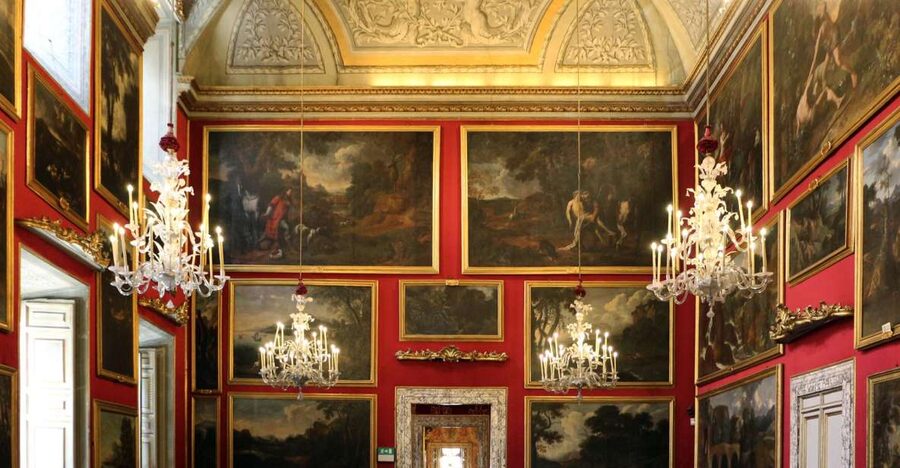
The Doria Pamphilj Gallery isn’t a “walk past a bunch of famous stuff” museum experience. It feels like you’re getting invited into a noble palace, then led through the collection with a plan. Because it’s private, you can ask questions and slow down when a painting catches your eye.
What makes this tour particularly satisfying is the mix of famous names and smart sequencing. You’re looking at works from Renaissance through Baroque, and you’ll see them arranged in order from floor to ceiling. That means you’re not just admiring art—you’re picking up a sense of how styles and ideas shift over time.
The private guide element matters more than people think. One guide can point you to the right details and connect artists to the world around them. The best moments I’d expect from a tour like this are the moments when the explanation clicks and suddenly the painting makes more sense, not less.
Also, you’ll be guided through a private collection housed in the Palazzo Doria Pamphilj, not a public “overflow” space. That shift changes the whole mood. You’ll feel less rushed, and the art stays the main character.
You can also read our reviews of more private tours in Rome

Meeting Up and How the 2-Hour Flow Stays Manageable
This is a tight, practical visit: plan for about 2 hours. You’ll want to arrive about 15 minutes early, because you meet at the start point and your guide will be there holding a sign with the tour name.
The logistics are simple: the guide gives you your entry tickets. That one step saves you time and reduces stress on arrival day. And since the tour ends back at the meeting point, you don’t have to worry about figuring out a last-mile route after the visit.
No hotel pickup or drop-off is included. In Rome, that’s usually fine. You’ll already be walking around and using public transit or taxis as needed. Just build in time to reach the meeting spot.
Because the tour is private, the pacing is flexible within reason. You’ll still cover a lot of ground—this is a gallery tour with major artists on the route—but you can manage your attention. If you like art history, this format feels efficient. If you prefer slower viewing, you can ask your guide to pause longer at specific paintings.
One last thing: leave luggage and large bags at home. They’re not allowed. If you’re touring with a day bag, keep it light so you’re not fighting bags and space during the walk-through.
The Gallery Layout: Four Wings and a Chronological Walk-Up
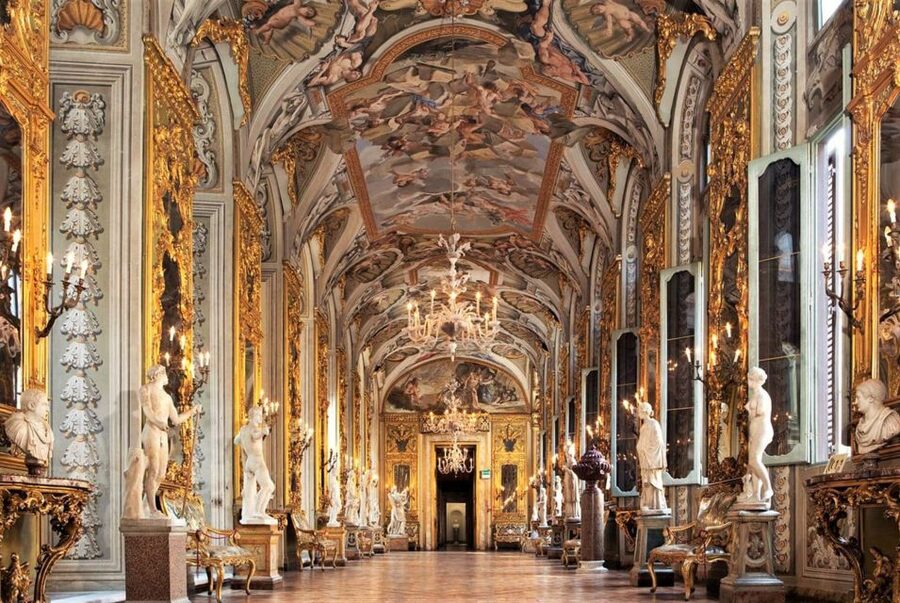
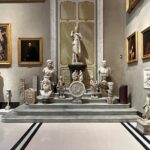
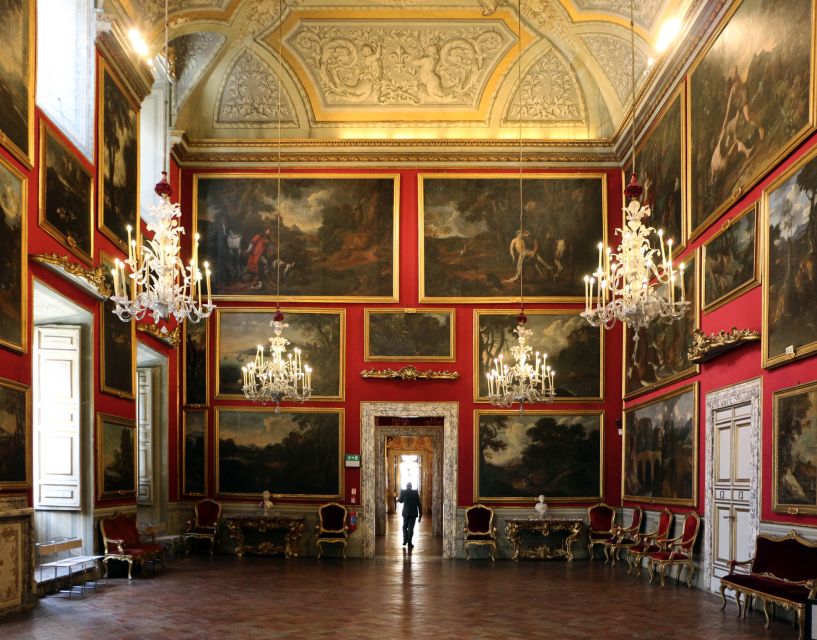
The Doria Pamphilj Gallery is set across four wings, which helps you understand the collection as more than a list of masterpieces. Your guide leads you through the space, and the hanging arrangement follows a timeline effect: works are presented in chronological order from floor to ceiling.
That matters because it changes how you read the artwork. Instead of jumping randomly between styles, you start to notice transitions—what artists were responding to, how tastes shifted, and how techniques evolved. Even if you don’t consider yourself an “art person,” the chronological structure gives your eyes a path to follow.
You’ll also get a practical advantage from the way the guide works through the rooms. You won’t be stuck guessing what to look for. Your guide will point you toward specific works and connect them to broader themes, like Renaissance ideals versus Baroque drama.
A common museum problem is decision fatigue: too much art, too little time, and you walk out feeling you saw everything but understood nothing. A chronological, guided walk prevents that. You’ll still have freedom to look on your own, but you’ll have a framework that keeps the visit coherent.
If you’re the type who likes to take photos, this helps there too. You’re not hunting for the “best spot” first—you’re guided to key rooms and then you can capture what you came for.
Caravaggio and Titian: The Paintings That Set the Tone
The tour’s early spotlight is exactly where I’d want it. Seeing Caravaggio alongside Titian gives you a strong artistic contrast right from the start.
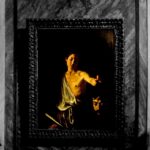
For Caravaggio, your route includes two early works: Rest on Flight to Egypt and Penitent Magdalen. Early Caravaggio can be a great entry point because you begin to recognize the seeds of the style people associate with him later, without needing background knowledge. Your guide’s job here is to translate the visual cues into plain-language context—so you don’t need a degree to appreciate what you’re seeing.
Then the Titian connection lands with Salome with the Head of John the Baptist. Titian is one of those artists where the paint can feel like it’s doing more than describing. In a guided setting, you’ll get help noticing what your eyes might skip on a quick self-guided walk—like the overall mood and how the composition leads you through the scene.
What I like about this pairing is that it’s not only about celebrity names. It’s about momentum. You feel a shift in visual approach, and the guide builds a chain of meaning as you move from one key piece to the next.
If you’re coming to Rome specifically to see Caravaggio and related Baroque-era thinking, this tour gives you a focused hit without turning the day into a full-time research project. It’s art history you can actually finish in two hours.
Raphael, Tintoretto, Bernini, and the Flemish Connections
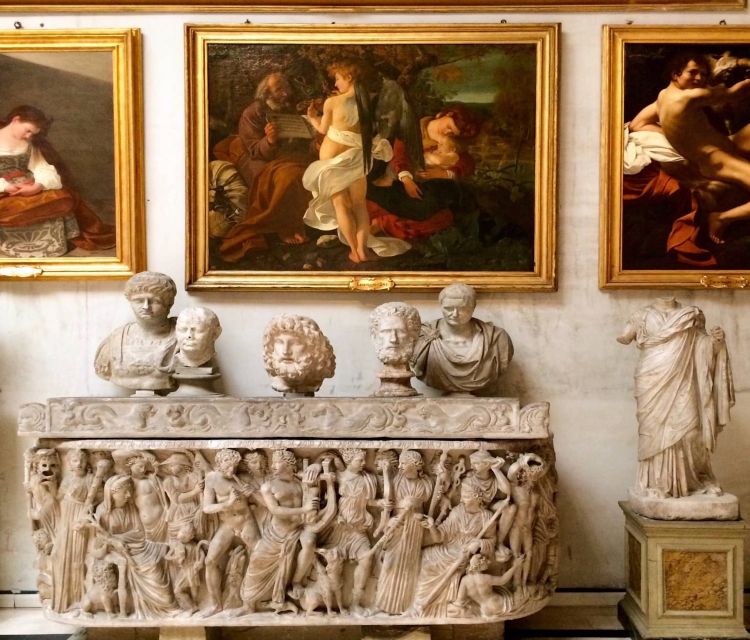
After you get your anchor pieces, the tour widens. You’ll also see works associated with Raphael, Tintoretto, Bernini, and Flemish masters. This is where the private guide experience pays off again: these artists can feel like separate worlds if you only see them listed.
With a local guide, you’ll learn the gallery’s background and how the collection is organized. You’ll connect the dots between different artistic influences rather than treating each painting as a standalone trophy. The goal isn’t to memorize facts—it’s to make the collection feel like a system.
Raphael is often best understood through contrast, and this kind of tour naturally provides that. You can watch how the work of one artist relates to what came before and what followed after. Tintoretto adds another layer, and even if you’re not familiar with his style, you’ll get a clearer sense of what to look for as you move through rooms.
Bernini is a different kind of presence. While the gallery is still presenting painting, your guide’s storytelling can help you see Bernini’s name not as random signage, but as part of a larger cultural moment in Rome. That same “context” approach helps the Flemish masters feel less like filler and more like an intentional thread in the collection.
The practical upside: you’ll finish the tour feeling you learned something real about how art developed and circulated in Italy. You won’t walk out with a long list only; you’ll have a few meaningful ideas you can carry into the rest of your Rome days.
You can also read our reviews of more museum experiences in Rome

Velazquez and Innocenzo X, Plus the Mirror Gallery Photo Moment
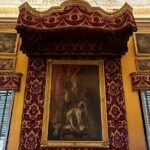
If there’s one “wow” centerpiece, it’s Velazquez’s Portrait of the Pope Innocenzo X. This is the kind of portrait that’s hard to reduce to a quick glance. Up close, it forces you to slow down and look at presence—how power, status, and representation come through in paint.
In a guided setting, you won’t just stare. Your guide will frame why this portrait is significant within the collection and how it fits into the broader artistic conversation. That’s what turns a masterpiece into an experience, not just a photo.
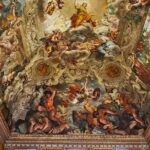
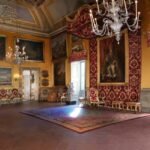
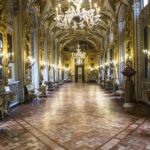
And then there’s the Gallery of the Mirrors. This is the fun reward space: it’s where you can take a picture in a setting that feels dramatic and special. Even if you’re not a “mirror gallery” person, this moment gives you a clear memory cue. You’ll have a visual souvenir that matches the scale and atmosphere of the palace setting.
What I like about ending the experience this way is that it balances brain and heart. You get serious art and then a visually striking room that makes the visit feel complete. It’s the kind of stop that you’ll remember later when you’re flipping through your photos.
The tour overall keeps this rhythm: major artists and big themes, then a practical pause for seeing the palace atmosphere.
Price and Value: When $135.94 Is Worth It
At $135.94 per person for a private 2-hour tour, the key question is value for how you travel.
If you’re the type who likes depth, this price can make sense. A private guide isn’t cheaper than a group tour by accident. You’re paying for focused attention, a structured route through key works, and the ability to ask questions in the moment.
You’re also getting entry tickets included, which helps you avoid extra surprises. The experience includes a private local guide and access to the Doria Pamphilj Gallery, and that’s the bulk of the cost you’d otherwise pay anyway.
No hotel pickup or drop-off keeps the cost from swelling. It also means the tour is built for people already in the Rome rhythm—walking, using transit, or taking a taxi to your meeting point.
So when does it feel like a good deal? It feels like a good deal if:
- You want a curated path through major names like Caravaggio, Titian, Raphael, and Velazquez
- You’d rather pay for clarity than spend time trying to figure out what matters most
- You like the idea of a private palace setting with a guide who explains
If you’re budget-first and perfectly happy with a self-guided visit, you could spend less. But you’d also be taking on the work of choosing what to see and how to connect it. This tour does that work for you.
Practical Tips for Getting the Best From Your Guide
This is a private tour, so your prep can be simple but smart.
First, bring your curiosity. If there’s one artist you care about most—Caravaggio, Velazquez, Titian—tell your guide early. The route is designed around major paintings, but a good guide can still adjust emphasis so the visit hits your interests.
Second, use the chronological structure to your advantage. Even if you only catch parts of the explanation, you’ll sense the timeline as you move through the four wings. Let that guide your looking. Don’t try to read every detail. Focus on how the artwork feels like it belongs to a particular moment in time.
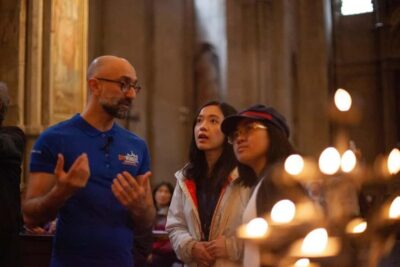
Third, expect a strong storytelling style. One of the best parts of this kind of tour is how the guide makes art feel alive. A guide named Vincenzo stood out for sharing vivid stories and making artists like Velazquez, Caravaggio, and Bernini feel like you were stepping back into their time. When a guide brings that energy, you don’t just see paintings—you understand them.
Fourth, plan to move with light gear. Since luggage and large bags are not allowed, travel with what you can comfortably manage. You’ll enjoy the pace more when you’re not negotiating bag rules in a crowded palace hallway.
Finally, keep your expectations realistic. This is 2 hours. You won’t see every single painting in the palace collection in a full, slow museum way. You will, however, see major anchor works and get a guided framework that makes the collection meaningful.
Who Should Book This Tour (and Who Might Want Another Plan)
This is a great fit if you want private attention and a guided path through big names without the chaos of large groups. It also works well if you’re curious about how Renaissance and Baroque art developed and want someone to connect the dots in plain language.
You’ll likely love it if:
- You’re a fan of Caravaggio, Titian, Velazquez, or Raphael
- You prefer guided context over solo guessing
- You want a Rome activity that feels like a palace experience, not just a museum stop
You should think twice if:
- You need wheelchair accessibility or have mobility limitations, since the tour isn’t recommended for limited mobility and is not suitable for wheelchair users
- You want a self-guided, wandering-only visit. This tour is structured around key paintings and a set route
If your Rome trip already includes other major landmarks, this tour gives you a different flavor. Instead of crowds and monuments, you get art, storytelling, and palace rooms where you can actually focus.
Should You Book the Rome Doria Pamphilj Gallery Private Tour?
Yes, book it if you want a high-value, focused art experience where the guide does the heavy lifting—connecting artists like Caravaggio and Velazquez, pointing you to important works like Portrait of the Pope Innocenzo X and Titian’s Salome, and guiding you to the Gallery of the Mirrors for that photo moment.
Don’t book it if mobility access is a concern for you or if you’d rather spend less and see the collection on your own without a guided route.
For most people who enjoy art and want a smart, story-driven visit, this private tour is the kind of Rome experience that pays off quickly. In two hours, you’ll come away with images in your phone and ideas in your head—exactly what a good guided tour should do.
FAQ
How long is the Rome Doria Pamphilj Gallery private tour?
The tour lasts about 2 hours. Starting times vary, so you’ll want to check availability for the schedule.
Is this a private tour?
Yes. It’s a private group tour with a private local guide.
What languages are offered?
The live guide is available in English and Italian.
What’s included in the price?
Entry tickets and a private local guide are included.
What should I do for meeting up?
Arrive about 15 minutes before the activity starts. Your guide will hold a sign with the tour name and provide your entry tickets. The tour ends back at the meeting point.
Are luggage bags allowed?
No. Luggage or large bags are not allowed.
Is the tour accessible for wheelchair users or people with limited mobility?
It’s not recommended for people with limited mobility, and it’s not suitable for wheelchair users.