REVIEW · ROME
Rome’s Baroque Art Walking Tour: Who Killed Caravaggio?
Book on GetYourGuide →Operated by What About Tours · Bookable on GetYourGuide
Rome has a secret in every shadowed church. This baroque art walking tour turns Roman streets into a real investigation, with Caravaggio’s life and death at the center of the story. You’ll move between sunny piazzas and cool churches where the artwork suddenly feels personal and political.
I love how the guide’s script is story-first. You’re not just staring at paintings. You’re learning how street fights, powerful patrons, rival artists, and criminal enemies shaped what you see on the walls.
I also like the Pay-What-You-Want setup. The experience is built around your tipping at the end (often 10€ to 50$), so you can match the price to how much it meant to you. One consideration: the humor can run dark and include politically incorrect jokes, so it may not be everyone’s style.
In This Review
- Key points you’ll care about
- Getting Oriented at Piazza della Minerva (and why the starting point matters)
- The Piazza-to-Pantheon transition: how the walk sets the tone
- Church of Saint Louis of the French: where baroque style turns into a clue
- Basilica of St. Augustine: art that feels like it has a motive
- The mid-tour church stop and photo pause: staying comfortable while the story thickens
- Palazzo Borghese finish: closing the case with power and patronage
- What you’ll actually see: Caravaggio, Raphael, and Plautilla Bricci
- Who the guides are like (and how that affects your day)
- Value and price: why $3.77 can still be a smart deal
- Timing, weather, and what to bring for a comfortable walk
- Who should book this Rome baroque art walking tour
- Quick decision: should you book?
- FAQ
- How long is the Rome Baroque Art Walking Tour?
- What is the price of the tour?
- Where do I meet the guide?
- What language is the tour offered in?
- Is it appropriate to go if the weather changes?
- Do I need to dress a certain way for the churches?
- Is there free cancellation?
Key points you’ll care about
- Caravaggio’s unsolved ending is the thread, not a museum lecture
- Pay-What-You-Want tipping lets you control the final cost
- Church stops give you shade, shelter, and face-to-face time with the art
- Lesser-known corners keep the walk from feeling like a standard highlights loop
- English guides like Iván and Jacobo have brought strong art-historian storytelling
Getting Oriented at Piazza della Minerva (and why the starting point matters)
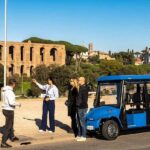
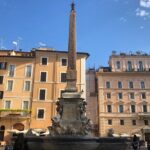
You begin at Piazza della Minerva, right by the elephant statue with an obelisk. It’s a good meeting spot: easy to find, and it gets you into the rhythm of central Rome fast. You’ll also have a sign with the tour name, so you’re not wandering around guessing.
From the first minutes, the tour works like a case file. Instead of treating Rome as a gallery, it treats the city as a network of power, gossip, and danger. That framing matters because it changes how you read the churches later: symbols stop being decorative and start acting like clues.
You can also read our reviews of more walking tours in Rome
The Piazza-to-Pantheon transition: how the walk sets the tone
After a short photo stop and guided introduction near Minerva, you head toward the Pantheon area with only a quick walking segment. That short link is intentional. It keeps you moving through the “famous Rome” zone without turning the day into a checklist.
You’ll likely notice how the guide uses that travel time to reset your mindset. You’re going from big-history Rome (architecture everyone recognizes) to baroque Rome, where the real drama often lives inside churches and behind altars. It’s an effective pacing choice for a 2-hour tour.
Church of Saint Louis of the French: where baroque style turns into a clue
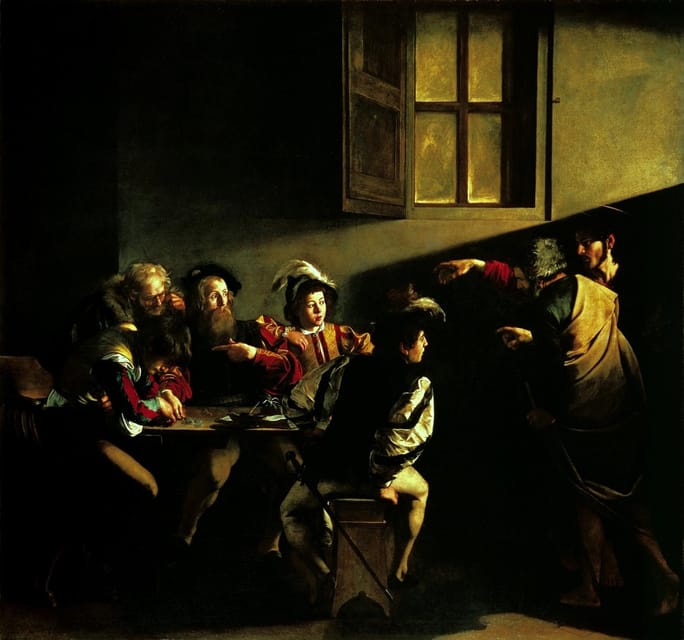
Next comes the Church of St. Louis of the French. This is one of your longer breaks, with a guided visit and time for a photo. Churches like this are perfect for the tour’s approach: the guide can connect what you’re seeing to what was happening in Caravaggio’s Rome—timelines, rivalries, and patronage.
What makes this stop work for me is the way the guide keeps you looking actively. You aren’t just hearing facts. You’re learning how artists used lighting, expressions, and dramatic composition to communicate ideas people cared about. When the story theme is true crime, baroque art becomes proof, not ornament.
Practical note: plan on following a church-entry dress code. Shoulders and knees matter. Even if the tour is lively and street-smart, the churches still set the rules.
Basilica of St. Augustine: art that feels like it has a motive
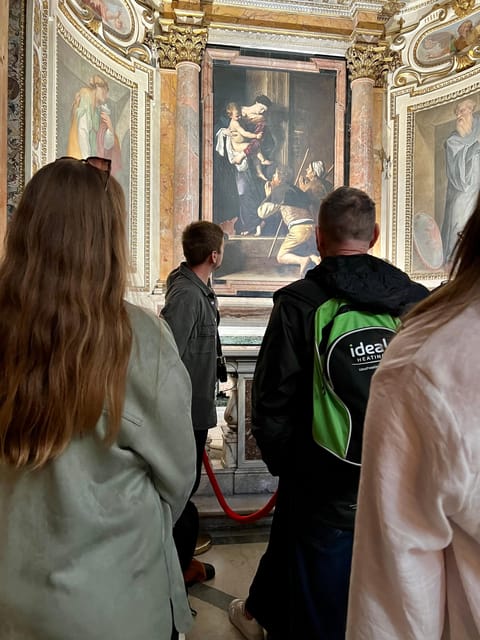
Then you step into the Basilica of St. Augustine for another guided, in-church moment. This stop adds a different texture to the day—less postcard, more atmosphere. It’s also a smart move because it balances your route between grand piazzas and enclosed spaces where baroque storytelling hits harder.
The tour’s promise is about interpreting art in a new way, and St. Augustine fits that mission. You’ll get practice reading artworks through context—who commissioned them, what they were trying to say, and why an artist’s life could shape their choices. That matters because Caravaggio’s legend isn’t only about paintings; it’s about a life that seems to explain the intensity in his work.
The mid-tour church stop and photo pause: staying comfortable while the story thickens
After St. Augustine, you have another church visit that’s shorter—about ten minutes of guided time—followed by a quick photo stop. These in-between moments do two things.
First, they keep your energy steady. Over two hours, the tour gives you enough movement to stay awake and enough shelter to keep going when conditions change. Second, the quick photo breaks act like story beats: a moment to reset your focus before the final stretch.
If you’re the type who likes to process what you’ve just seen, these gaps help. They’re not wasted time; they’re part of how the guide turns scattered facts into a connected narrative.
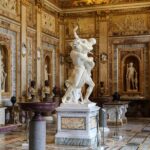
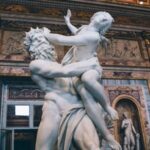
Palazzo Borghese finish: closing the case with power and patronage
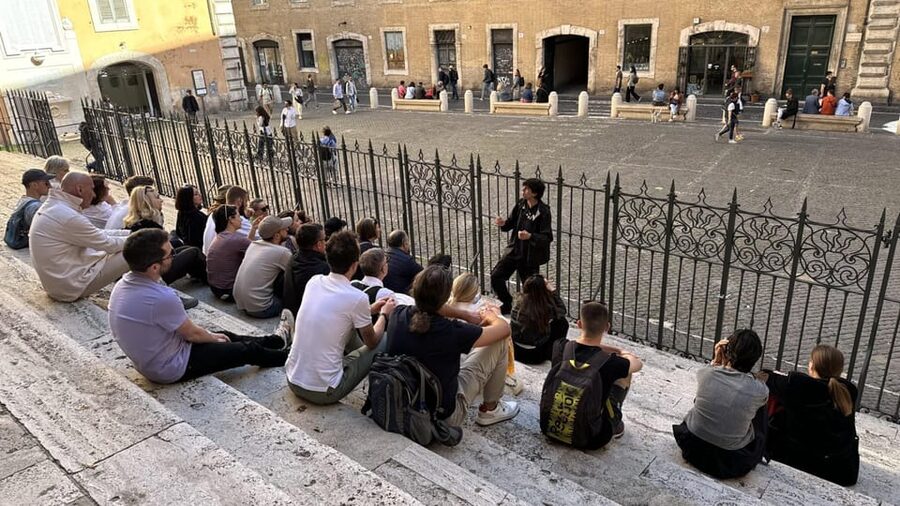
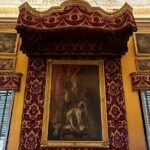
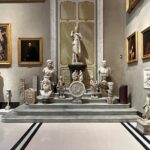
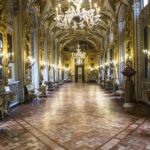
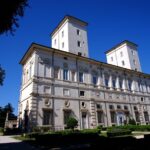
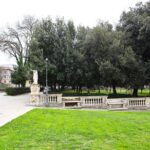
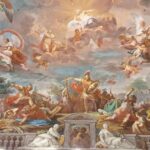
Your route culminates at Palazzo Borghese, where you get a photo stop and then the final guided visit. Finishing at a palazzo makes sense for the tour’s thesis. Caravaggio’s life wasn’t only shaped by talent and temperament—it was shaped by patrons, politics, and who had the leverage to protect (or expose) an artist.
This is also where the tour’s broader message lands: baroque art isn’t just religious or decorative. It’s often political. It’s status. It’s a public statement made by people who expected other people to read between the lines.
If you want a strong sense of closure, this ending works. You don’t just leave with images in your phone. You leave with a story you can keep retelling: Caravaggio as a rebel whose art and personal conflicts fed each other.
What you’ll actually see: Caravaggio, Raphael, and Plautilla Bricci
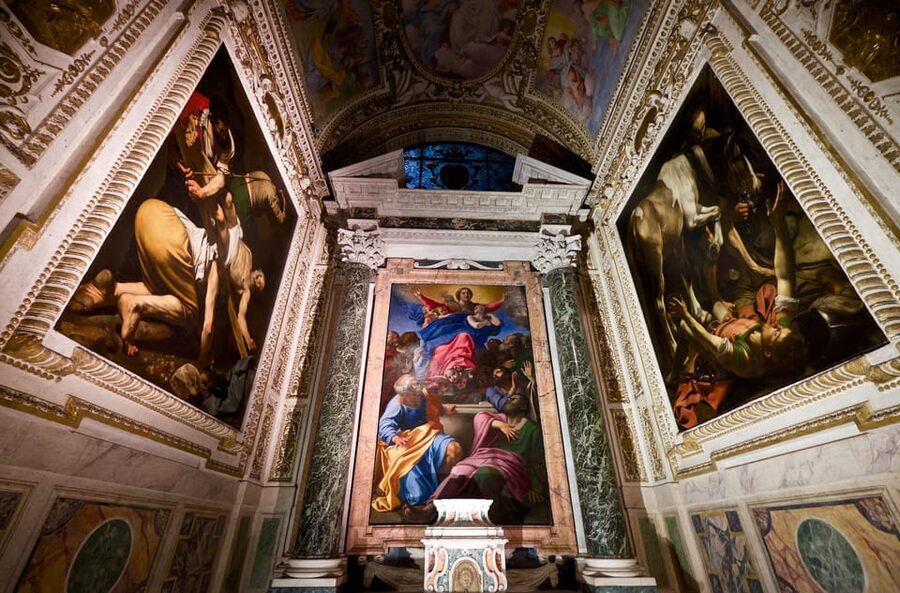
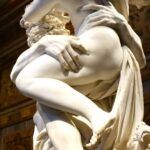
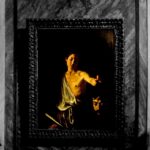
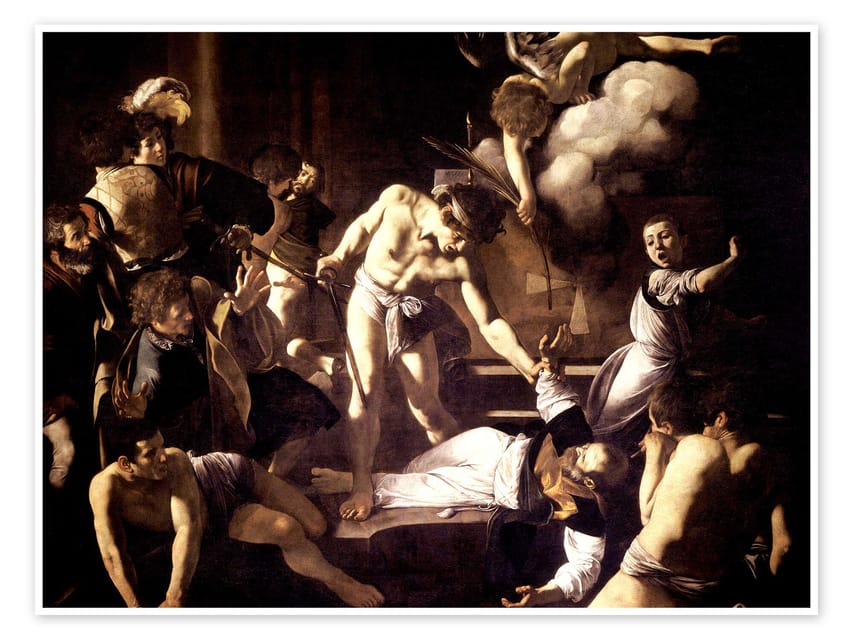
The tour centers on priceless paintings connected to Caravaggio, Rafael (spelled that way in the tour materials), and Plautilla Bricci. While the exact placement of specific works isn’t spelled out in the details you get ahead of time, you can count on encountering major names across the churches you visit.
Here’s why that matters for your experience: Caravaggio’s reputation is easy to turn into myth. This tour tries to hold the myth up to evidence. You’ll look at paintings and then connect them to eyewitness accounts and modern theories about his final days—plus the roles street fights, patrons, and rival artists may have played in both his career and his fate.
That’s the appeal if you like your art with stakes.
Who the guides are like (and how that affects your day)
The tone varies, but the core style stays consistent: lively storytelling, dark humor, and art interpretation in plain language. From past departures, guides including Iván and Jacobo have led the tour, and both come through as passionate communicators with a strong art-history feel.
If you’re trying to choose between tour types, this one is best if you enjoy being “told a story” more than you enjoy reading labels. The guide’s job here is to make you notice. The best moments are when the explanation reframes what you thought you were seeing.
Value and price: why $3.77 can still be a smart deal
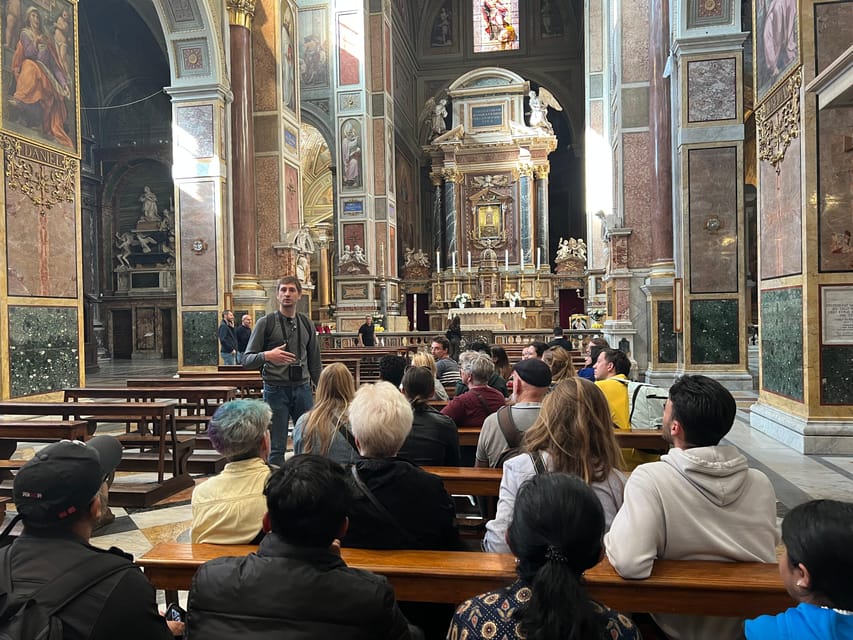
The listed price is $3.77 per person, but the real payment structure is tips. The tour runs on a Pay-What-You-Want model, with tips often 10€ to 50$.
That can feel confusing at first, so here’s how I’d think about value:
- If you want the cheapest entry ticket to a story-driven art experience, this model is strong.
- If you care about quality, the tipping system rewards a guide who truly performs—because your final cost reflects your satisfaction.
- The two-hour length also helps: you’re getting focused art time without turning it into an all-day commitment.
If you’re planning your budget, don’t treat $3.77 as the “real price.” Treat it as a base, and plan to tip based on how much the storytelling and art interpretation land for you.
Timing, weather, and what to bring for a comfortable walk
This tour is designed to work in any weather because it alternates open piazzas with church interiors. That means you’re not stuck only in sun or only indoors, and you’ll get breaks where shade or shelter is possible. There may even be opportunities to sit along the way, which helps when you’re in churches and walking back-to-back.
Bring:
- Comfortable shoes for short walks between locations
- Something modest for church entry (you don’t want to guess at the last second)
- A light layer for church interiors, which can feel cooler than the street
And because this is a tip-based tour, it’s wise to plan for tipping with whatever method you’re comfortable with ahead of time.
Who should book this Rome baroque art walking tour
This is a great fit if you like:
- Art history with a narrative
- True-crime vibes applied to Renaissance and baroque culture
- Learning to interpret paintings as messages, not just masterpieces on display
It’s also a good choice if you’re already seeing the big Rome hits and want something that feels more personal and less repeatable. You’ll be out in real neighborhoods, moving between landmarks and less-famous corners.
You might skip it if:
- You only want neutral, classroom-style explanations
- You dislike humor that can be dark or politically incorrect
- You’re uncomfortable in churches and want a strictly outside-the-church plan
Quick decision: should you book?
Yes—if you want Rome through the lens of Caravaggio’s tangled life and the way baroque art carried messages for people who lived in fear, status games, and street conflict. The Pay-What-You-Want tipping model makes it flexible, and the route is built to keep you comfortable across the two hours.
Just go in with the right expectations: this isn’t quiet museum pacing. It’s a guided investigation where the guide’s storytelling tone is part of the experience.
FAQ
How long is the Rome Baroque Art Walking Tour?
It lasts about 2 hours.
What is the price of the tour?
The listed price is $3.77 per person, but the tour is tip-based. Tips are typically around 10€ to 50$.
Where do I meet the guide?
Meet in Piazza della Minerva, by the elephant statue with the obelisk. There will be a sign with the tour name.
What language is the tour offered in?
The live tour guide speaks English.
Is it appropriate to go if the weather changes?
Yes. The route includes open piazzas and church interiors, so it’s designed to be enjoyed in any weather.
Do I need to dress a certain way for the churches?
Yes. You should dress appropriately for church entry.
Is there free cancellation?
Yes. You can cancel up to 24 hours in advance for a full refund.