REVIEW · ROME
Rome: Private Walking Tour with Highlights & Gelato Tasting
Book on Viator →Operated by Local CoolTour · Bookable on Viator
Rome hits different when you have a plan. A private walking tour like this maps the classics in about 2 hours, from Circus Maximus to Trastevere, and then cools you down with included gelato. I love the story-driven route through Rome’s power center at Circus Maximus and Palatine Hill, and I love that you finish with a real Roman-style gelato stop you don’t have to research. One possible drawback: it’s a compact walk, so wear shoes you trust and don’t plan on lingering too long at every corner.
You can choose a departure that fits your day, including a sunset stroll. And you’ll be walking through scenes that make Rome’s myths and monuments feel close, not distant—especially at the Mouth of Truth and the quieter lanes around Via del Portico d’Ottavia and Tiber Island.
In This Review
- Key things that make this tour worth your time
- A Rome walking plan that actually helps you make sense of it
- Starting at Piazza della Bocca della Verità (and why that matters)
- Circus Maximus: the entertainment engine of ancient Rome
- Palatine Hill: where the empire’s decision-makers lived and ruled
- Mouth of Truth: myth you can test, right where it lives
- Temples that are still marble and still standing
- San Nicola in Carcere: an old church stop with a different feel
- Theatre of Marcellus: the big show that belongs in this route
- Via del Portico d’Ottavia: a neighborhood that feels time-locked
- Tiber Island views: short walk, big payoff
- Trastevere: finishing with atmosphere, not just monuments
- Otaleg gelato stop: the kind of included treat you’ll actually want
- Piazza di Santa Maria in Trastevere: the final scene
- Guides and the one-on-one feel you should expect
- Price and value: $73.87 for a focused Rome intro
- When you should book (and who it suits best)
- Should you book this Rome private walking tour?
- FAQ
- How long is the Rome private walking tour?
- Is the tour private or shared?
- What language is the tour offered in?
- What’s included in the price?
- Do we need admission tickets for the main stops?
- Where does the tour start and end?
- Can I choose a morning, afternoon, or evening departure?
- Is the meeting point near public transportation?
- What if my plans change and I need to cancel?
Key things that make this tour worth your time

- A tight 2-hour route with big-name stops without losing the plot
- Morning, afternoon, or sunset timing so you can match the light to your pace
- Myth meets stone at the Mouth of Truth and then back to real-world landmarks
- Old Roman marble in the Temple circuit around Victor and Portunus
- Gelato included in Trastevere at Otaleg, not just a random storefront
- Guides with strong storytelling styles like Juan Cruz, Enzo, Massimo, Daniele, and Simone
A Rome walking plan that actually helps you make sense of it
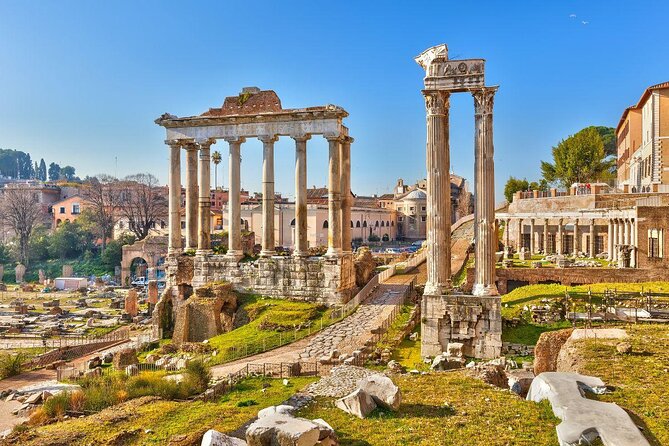
Rome can feel like a museum where every room is screaming for attention. This tour is structured like a guided story: you move from arena-scale entertainment to imperial seats of power, then to legends, temples, and neighborhoods. The value here is not just seeing places—it’s understanding how they connect.
You’re also not stuck with a one-size-fits-all timetable. You can pick morning, afternoon, or an evening departure that includes a sunset stroll. That matters because Rome’s ruins and streets look very different under different light, and your energy level changes too.
You can also read our reviews of more walking tours in Rome
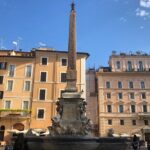

Starting at Piazza della Bocca della Verità (and why that matters)
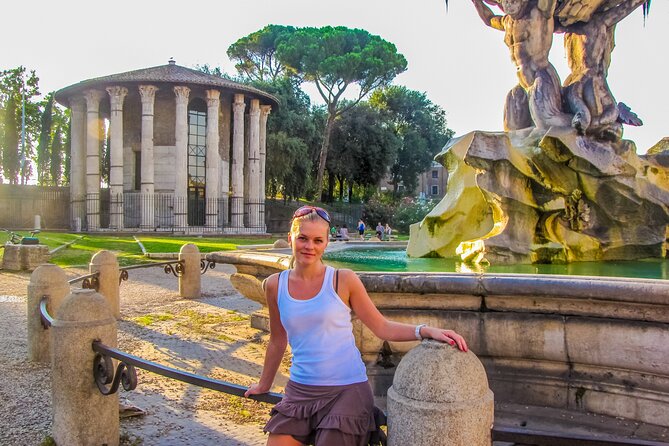
The tour meets near Piazza della Bocca della Verità at the Fountain of the Tritons area. This is a handy start point because you’re already positioned near central Rome landmarks and walkable sights, instead of spending your first hour transferring around the city.
From the beginning, the route sets expectations: you’re going to see recognizable ancient Rome highlights, then shift into a more local-feeling walk toward Trastevere. If you like a tour that gives you momentum fast—get your bearings fast—this setup does the job.
Circus Maximus: the entertainment engine of ancient Rome
Stop 1 is Circus Maximus, one of the best places in Rome to grasp the scale of ancient public life. The idea here isn’t just that it was a circus—it’s that Romans organized major games, performances, and chariot racing in a setting built for spectacle.
What you’ll enjoy most is the way this stop frames Rome’s “big show” culture. It also helps you understand why later sites—like the Theatre of Marcellus—weren’t just architectural projects. They were built to draw crowds and shape social energy.
Practical note: Circus Maximus can be open and exposed, depending on the moment. If you’re doing a warmer-day departure, bring water and plan for sun.
Palatine Hill: where the empire’s decision-makers lived and ruled
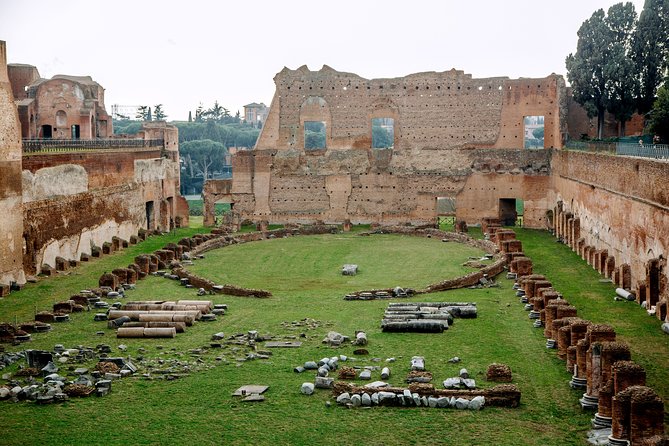
Stop 2 is Palatine Hill, which sits at the emotional core of imperial Rome. This is where rulers of the most powerful empire of its era decided the fates of old Europe, and that line alone gives you the right lens for the visit.
Palatine helps you connect the dots between mythic Rome and political Rome. Standing here, you’re not just looking at ruins—you’re seeing the physical “seat” behind the stories. If you want to understand why certain emperors mattered, why certain buildings were built, and why Rome kept returning to the same spaces, Palatine is a strong anchor.
Mouth of Truth: myth you can test, right where it lives
Stop 3 is the Mouth of Truth—an antique marble mask with a famous legend wrapped around it. The tour gives you the story, and it invites you to participate if you dare.
This stop is valuable because it’s interactive in a way most ancient sites aren’t. You get myth, you get stone, and you get a moment that’s easy to remember later when you’re back eating dinner and telling the story to friends. If you like legend-based stops that don’t feel forced, this is one of the best moments.
Consideration: lines and crowd levels can vary. If you’re sensitive to waiting, choose a timing that fits your schedule and arrive with a calm mindset.
You can also read our reviews of more food & drink experiences in Rome





Temples that are still marble and still standing
Stops 4 and 5 are where the tour gets especially satisfying for architecture lovers.
First up is the Temple of Hercules Victor, described as the oldest marble building still preserved in Rome. Then comes the Temple of Portunus, built for Portunus, the god of harbors, in the 2nd century near the Tiber Port.
Why this sequence works: it shows two different sides of Roman values. Hercules connects to strength and virtue through the lens Romans used for myth and public life. Portunus connects to the practical power behind Rome—trade, movement, and the river’s role in feeding and funding the city.
You also get a quick education in how Romans honored gods relevant to their daily world, not just gods from far-off ideas.
San Nicola in Carcere: an old church stop with a different feel
Stop 6 is San Nicola in Carcere, one of the oldest churches in Rome. This is a good breather in the itinerary because it shifts the tone from ancient spectacle and imperial spaces to a lived religious building.
Even if you’re not traveling for church art, this kind of stop helps you see Rome as a city that layered eras on top of each other. Ancient ruins aren’t the whole story. Rome kept building, reusing, and reshaping space over centuries.
Theatre of Marcellus: the big show that belongs in this route
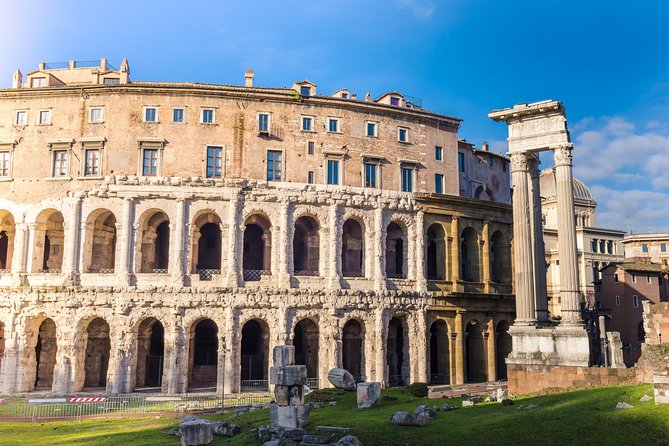
Right after San Nicola in Carcere, the walk includes the building that was once the largest and most important theatre in Rome in the 1st century—Theatre of Marcellus.
This stop ties directly back to the Circus Maximus earlier on. You can feel the progression: same culture of crowds and performance, different style and scale. It’s a natural storyline move, not a random detour.
If you’re the type who likes to visualize what life looked like, this is one of the moments where the city “turns on.” You start to picture seating patterns, noise, and the way Rome used entertainment to hold attention.
Via del Portico d’Ottavia: a neighborhood that feels time-locked
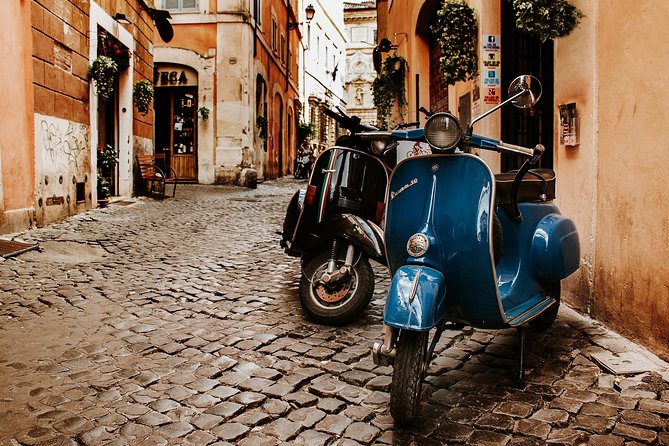
Stop 7 is Via del Portico d’Ottavia, 73, described as part of a secret Jewish neighborhood that seems frozen in time and kept its authenticity. The point of this stop isn’t to throw facts at you—it’s to help you notice the feel of the street: narrower passages, a different pace, and the sense that you’re not just visiting monuments.
For many people, this is where the tour stops being purely “ancient Rome sightseeing” and starts feeling like Rome-as-a-city. You’re moving through daily-life corridors, even if you’re passing them as a visitor.
Consideration: street-level walking can be slower if the area is busy. Go with comfortable timing and don’t rush.
Tiber Island views: short walk, big payoff
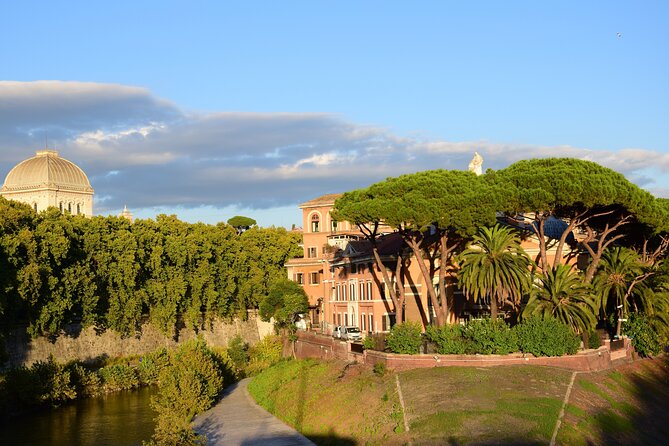
Stop 8 is Tiber Island. Crossing the bridge and admiring the boat-shaped island gives you a rare payoff break: you get water views and a wider sense of the river’s role in shaping Rome.
This stop is helpful after you’ve been reading stone and stories. It gives your brain space to reset. Also, it’s simply a nice photo moment that doesn’t require an extra ticket or a long trek.
Trastevere: finishing with atmosphere, not just monuments
Stop 9 is Trastevere, one of Rome’s most beloved neighborhoods. This is where the itinerary makes sure you don’t end the tour still stuck in ancient-structure mode.
Trastevere’s charm is in the street energy and the way it feels like you’re arriving somewhere, not just passing through. It’s also a neighborhood that works well for dinner plans later—so ending the tour here is a smart move.
Otaleg gelato stop: the kind of included treat you’ll actually want
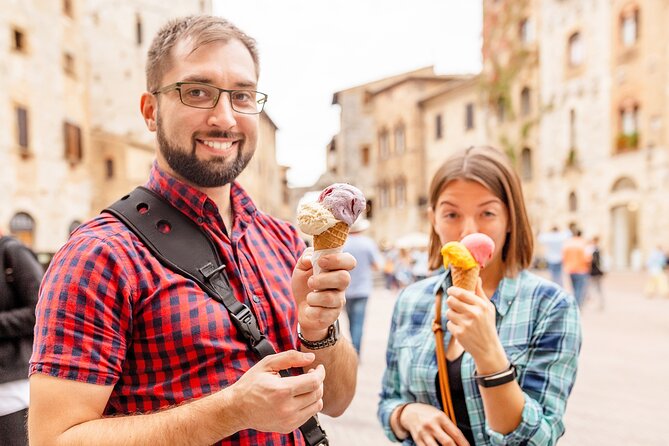
Stop 10 is Otaleg – Ice-cream, where you try Italian ice cream from one of the best gelaterias. The gelato tasting is included, so you’re not stuck doing math in your head later.
This is a big value point. A lot of tours offer a dessert stop that feels optional or underwhelming. Here, the itinerary treats gelato as a core part of the experience and places it at the right moment—after Trastevere, when you’re ready to slow down.
Tip: if you’re sensitive to sugar, consider choosing a smaller flavor set. Rome walks add up, and gelato can be a lot on top of sun and stairs.
Piazza di Santa Maria in Trastevere: the final scene
Stop 11 is Piazza di Santa Maria in Trastevere, ending in the heart of the neighborhood. This finish works because it sets you up for the next phase of your day: wandering, eating, and looking back at the sights you just learned.
If you want a smooth transition, end here and then keep it simple. Choose a nearby restaurant and take your time. You’ll feel like you moved through Rome, not just around it.
Guides and the one-on-one feel you should expect
This is a private tour, meaning it’s just your group. That changes the vibe. It’s easier to ask questions, adjust pacing, and connect the story to what you care about—ruins, myths, or the neighborhoods between them.
The guides behind this experience have a strong storytelling reputation, including Juan Cruz, Enzo, Massimo, Daniele, and Simone. Across different styles, the common theme is friendliness and clear explanations that help you understand what you’re looking at.
One detail I really like: the guides have a reputation for handling late arrivals well. If you’re the type who gets snagged by transit or getting one last thing before you meet up, that flexibility can make the tour feel less stressful.
Price and value: $73.87 for a focused Rome intro
At $73.87 per person for about 2 hours, this isn’t a budget deal in absolute terms—but it also isn’t priced like a luxury limousine tour either. What makes it feel like value is the combination of:
- a private format
- a structured route through major highlights
- multiple stops with free admission tickets listed
- an included gelato tasting
For many first-time Rome visitors, this kind of tour is a smart investment because it reduces wasted time. You spend less effort trying to connect landmarks on your own. And the gelato inclusion means one planned expense disappears.
If you’re visiting with a friend or partner, private tours can also start to look much more reasonable per person than you’d expect. Just be honest about your walking stamina and your tolerance for outdoor time.
When you should book (and who it suits best)
I’d book this tour if you want a clear Rome starter kit that mixes famous landmarks with story moments, then hands you off to Trastevere for your next move. It’s also great if you like a guide who answers questions and keeps the experience moving at a human pace.
It fits best for:
- first-timers who want a Rome overview in about 2 hours
- couples and small groups who prefer a private format
- people who enjoy myths and legends as much as monuments
- anyone who wants gelato without planning it in advance
It might not fit perfectly if you hate walking on busy sidewalks or you’re hoping for a slow, museum-like pace. This is a highlights-and-stories route, not a sit-down slow tour.
Should you book this Rome private walking tour?
Yes, if you want an efficient, high-impact intro to Rome with a route that connects Circus Maximus, Palatine Hill, ancient temples, and then ends in Trastevere with included gelato. It’s a good choice for matching a departure time to your day, especially if you’re aiming for a sunset-style stroll.
If you’re the type who wants to linger for long stretches at one sight, you might feel a bit rushed. But if you like smart pacing and getting your bearings fast, this tour is the kind of plan that makes your next days in Rome easier.
FAQ
How long is the Rome private walking tour?
It lasts about 2 hours.
Is the tour private or shared?
It’s a private tour/activity, so only your group participates.
What language is the tour offered in?
The tour is offered in English.
What’s included in the price?
Gelato tasting is included, and the tour uses a mobile ticket.
Do we need admission tickets for the main stops?
The stops listed include admission ticket free for the sites along the route.
Where does the tour start and end?
You start at the Fountain of the Tritons / Piazza della Bocca della Verità area, and you end at Piazza di Santa Maria in Trastevere.
Can I choose a morning, afternoon, or evening departure?
Yes. There are morning, afternoon, and evening options, including a sunset stroll.
Is the meeting point near public transportation?
Yes, it’s near public transportation.
What if my plans change and I need to cancel?
Cancellation is free up to 24 hours in advance for a full refund. If you cancel less than 24 hours before the start time, the amount paid isn’t refunded.