REVIEW · LONDON
Westminster and National Gallery 3.5-Hour Tour in Italian
Book on GetYourGuide →Operated by Londra Culturale Limited · Bookable on GetYourGuide
Four landmarks, one art-minded route.
This Westminster and National Gallery tour in Italian ties together London’s most iconic government-and-history streets with a serious look at painting, all in a tight 3.5 hours. I especially like the Italian-speaking art-history guide quality (including names like Angelo, Mario, and Francesco in recent feedback) and the chance to watch the Changing of the Horse Guards as part of the walk.
One consideration: the schedule is full. You’ll cover major sights at walking pace, so if you like stopping every few minutes for deep reading or long museum time, you might feel a bit rushed.
In This Review
- Key highlights at a glance
- Westminster in a single walk: Palace of Westminster to St James’s Park
- Big public landmarks, calm pacing: what to focus on (and what to skip)
- Horse Guards watching advice: getting value from the Changing of the Horse Guards
- National Gallery with free entry: how to get more than a quick look
- Trafalgar Square finish: turning the walk into your next London plan
- Italian (and English) guidance: why language changes the experience
- Price and value: what $477 per group (up to 4) really buys
- Who should book this tour, and who might not love it
- Should you book Westminster and the National Gallery in Italian?
- FAQ
- How long is the Westminster and National Gallery tour in Italian?
- Where do I meet the guide?
- Is entry to the National Gallery included?
- What languages are available on the tour?
- What sights will we see around Westminster?
- Where does the tour end?
- Is this tour wheelchair accessible?
- What’s the cancellation policy and how flexible is booking?
Key highlights at a glance
- Italian + English guide for architecture and art, not just sightseeing chatter
- Palace of Westminster and Big Ben area as your starting history lesson
- St James’s Park and Downing Street area for classic London viewpoints
- Changing of the Horse Guards built into the route, not tacked on later
- National Gallery visit with free entry, focused on art from Renaissance to Impressionism
Westminster in a single walk: Palace of Westminster to St James’s Park
The tour starts at Westminster Tube station exit 4, right by Caffè Nero. That’s useful: you can get there easily, then meet your guide without wrestling with multiple transfer points. Once you’re walking, you’ll move through the City of Westminster’s most recognizable landmarks with context that’s built for normal humans, not history textbooks.
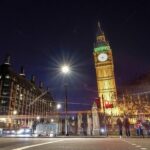
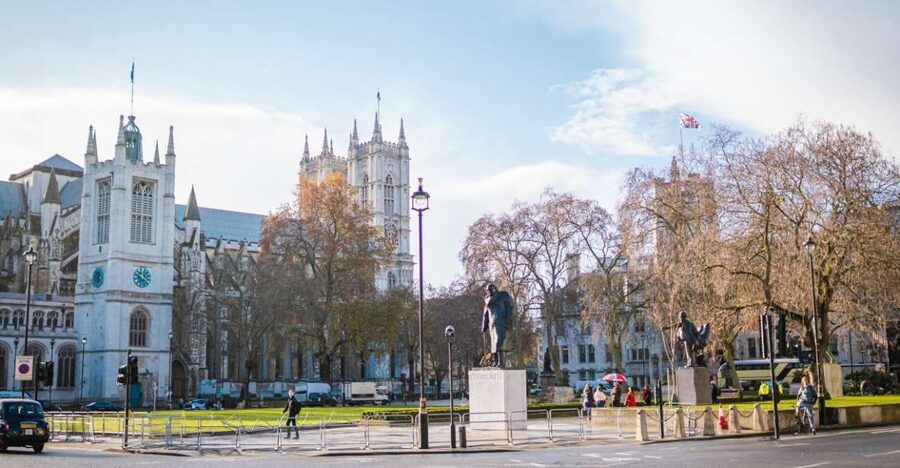
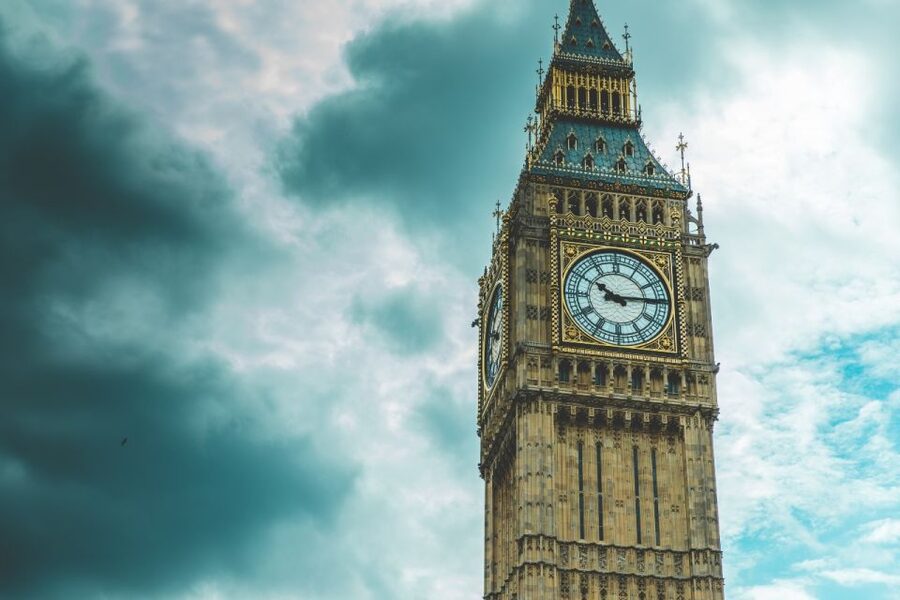
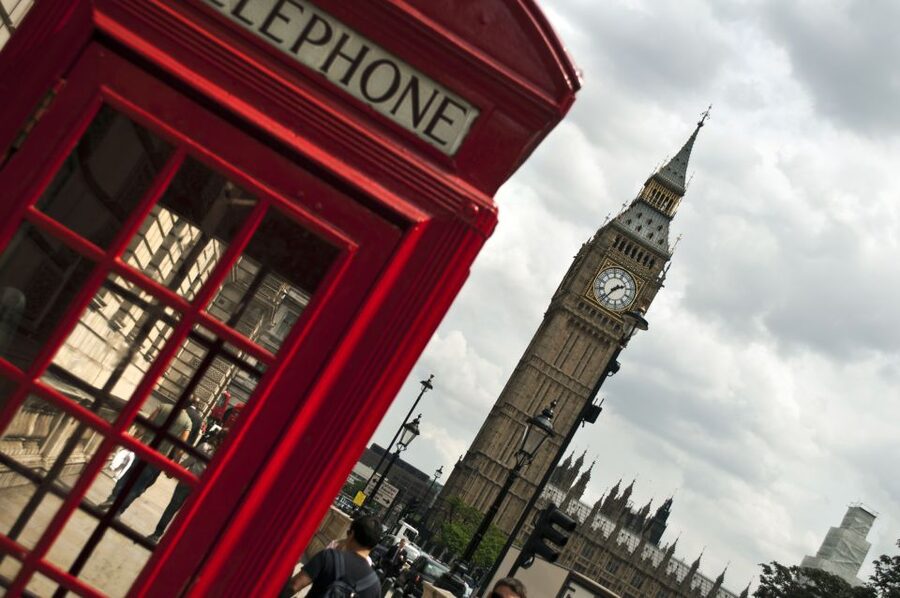
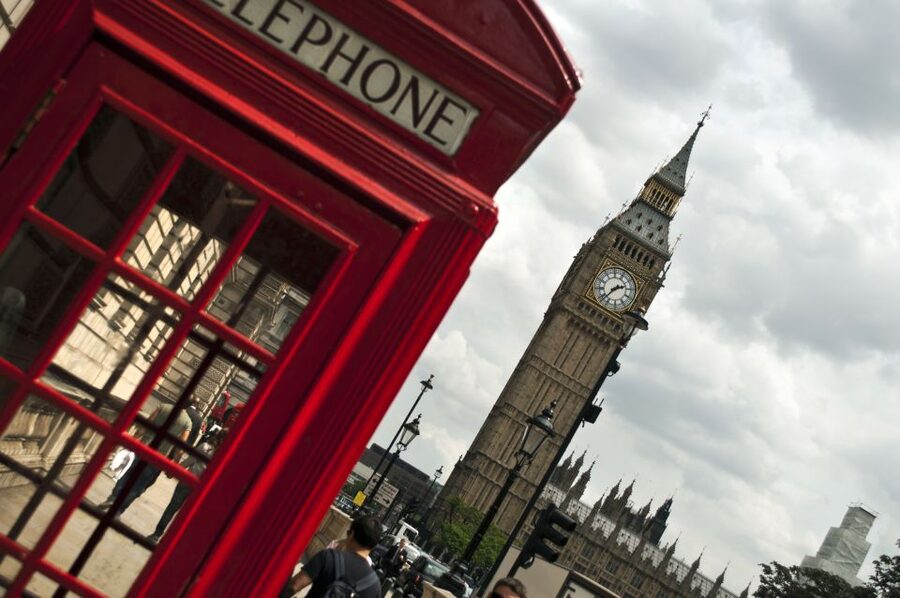
First up is the Palace of Westminster, a neo-Gothic showpiece you can’t ignore. Even if you’ve seen photos before, standing close helps you notice the details your phone won’t capture. From there, the route heads toward the Big Ben area (the Elizabeth Tower clock), where the point isn’t the clock itself—it’s how the building and the surrounding streets form the visual image of the UK’s political center.
This is also where an Italian-speaking guide is genuinely helpful. You get explanations of what you’re seeing while you’re still in front of it, so the architecture makes sense in real time. And based on the strong feedback about guides like Angelo and Francesco, the tone tends to be professional, clear, and good at handling questions without turning into a lecture.
You can also read our reviews of more museum experiences in London


Big public landmarks, calm pacing: what to focus on (and what to skip)
The route then threads through the “postcard London” stretch: Westminster Abbey, the edges of St James’s Park, and viewpoints toward 10 Downing Street. These are places where people often expect a dramatic moment, but the real value is how the guide helps you read the scene—what’s official, what’s ceremonial, what’s practical, and what’s simply there because London built it that way.
Here’s what you’ll want to do with your time. At each stop, pick one thing to look at closely—like the angle of a facade, the line of a railing, or the way the street opens up. Then let the guide fill in the why. If you try to “do it all” with constant photo-taking, the tour can start to feel like a slideshow. The sweet spot is a few solid photos plus attention to the explanation.
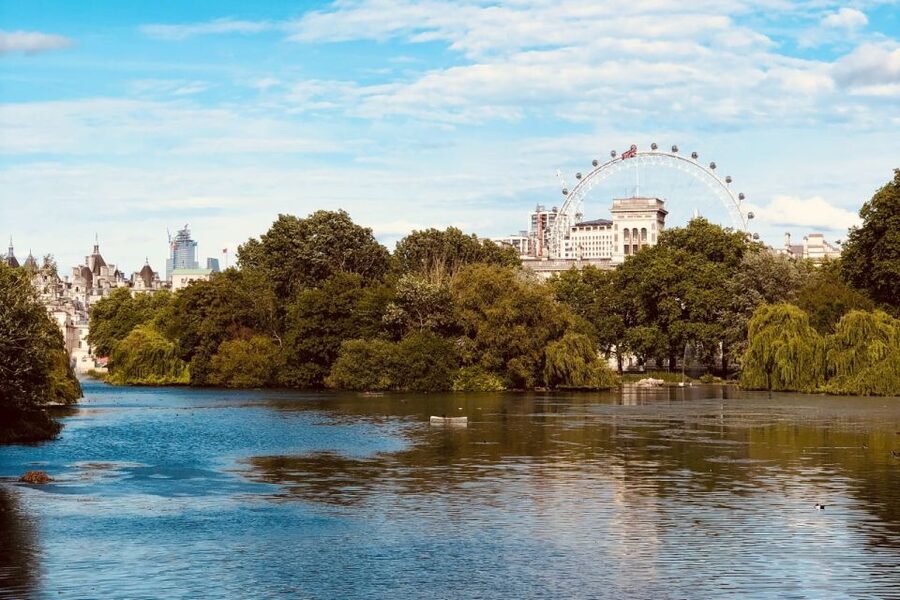
Also, St James’s Park is a smart inclusion. It breaks the hard-edged feel of government buildings with open space and a calmer walking rhythm. Even if you don’t plan to linger, that pause matters when the schedule is tight and you’re moving on to a museum.
Horse Guards watching advice: getting value from the Changing of the Horse Guards
One of the most enjoyable parts of this tour is that you don’t just walk past ceremony spaces—you actually watch the Changing of the Horse Guards. That’s the kind of event that can be chaos if you’re unprepared, and it can be surprisingly smooth if you’re guided.
Your best bet is simple: follow your guide’s lead on where to stand and when to move. Keep your phone ready, but don’t block others while you’re filming. And try to watch the full sequence rather than grabbing only the most dramatic seconds—there’s usually a rhythm to the ceremony that becomes clearer once you stop treating it like background entertainment.
The reason this stop works inside a 3.5-hour itinerary is pacing. You get motion, you get drama, then you shift toward the quieter payoff of the National Gallery. It’s a nice psychological reset: from street-level spectacle to art-focused attention.
National Gallery with free entry: how to get more than a quick look
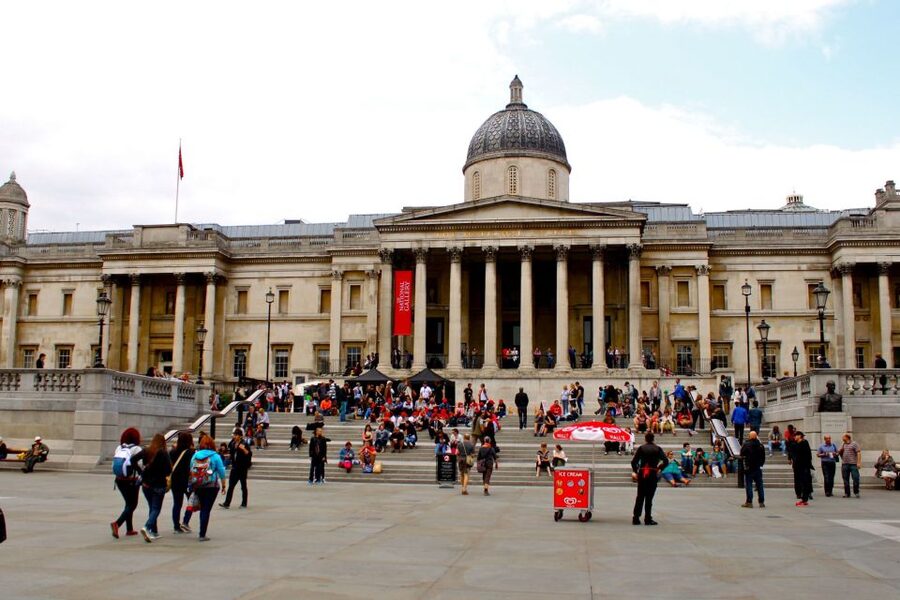
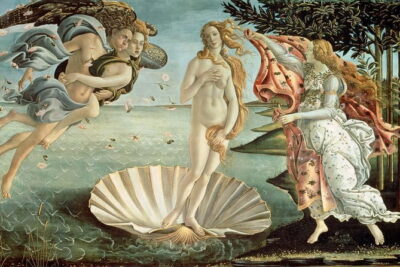
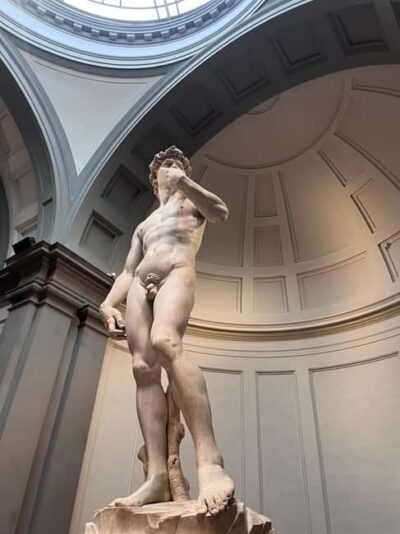
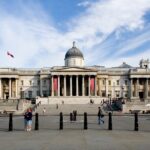
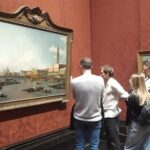
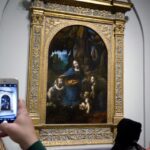
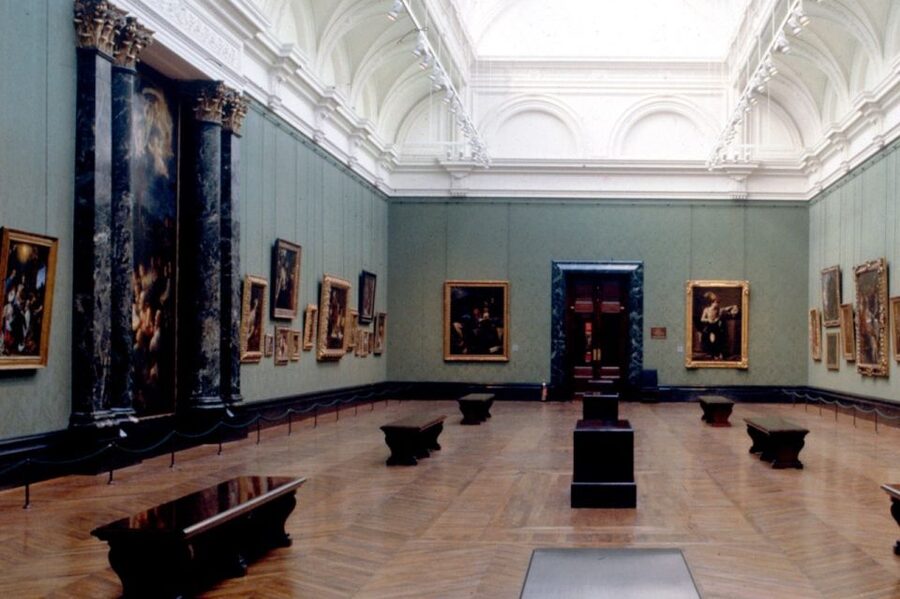
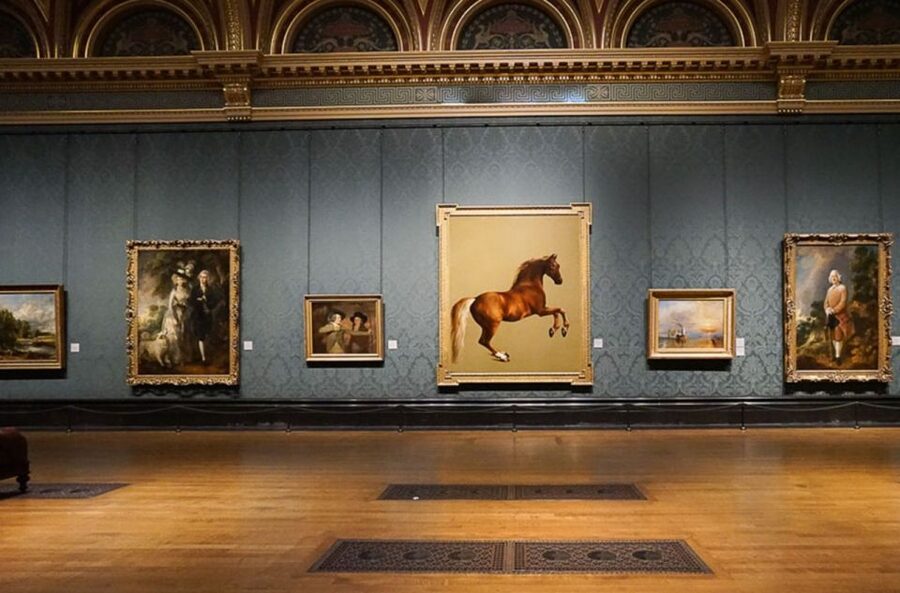
After Westminster, the tour heads to the National Gallery at Trafalgar Square for a guided visit. The highlight here isn’t that the museum is famous—it’s that your guide brings a structured way to look at art. The tour includes free entry and focuses on works spanning Renaissance through Impressionism, so you get a sweep of styles rather than getting stuck on one corner of the museum.
In a time-limited guided visit, the biggest risk is wandering. You might reach the gallery and think you’ll “just see the highlights,” but you end up skimming. A strong art-history guide solves that by selecting works and explaining what to look for—style, subject, and why the painting matters in its era.
From the feedback, the guides are described as highly skilled at explaining and keeping conversation alive, even adapting to different group dynamics. One comment even highlights the ability to engage younger people by alternating culture and personal experience. That kind of flexible teaching tends to make museum time feel lighter and more understandable, especially if art museums are new to you.
Practical tip: in the National Gallery, choose one painting you want to return to on your own after the tour. During the guided segment, listen for the guide’s suggestion of what to notice. Then, if you have a few minutes at the end, use your own eyes to check whether you understood the explanation. That’s how it sticks.
Trafalgar Square finish: turning the walk into your next London plan
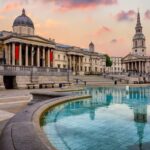
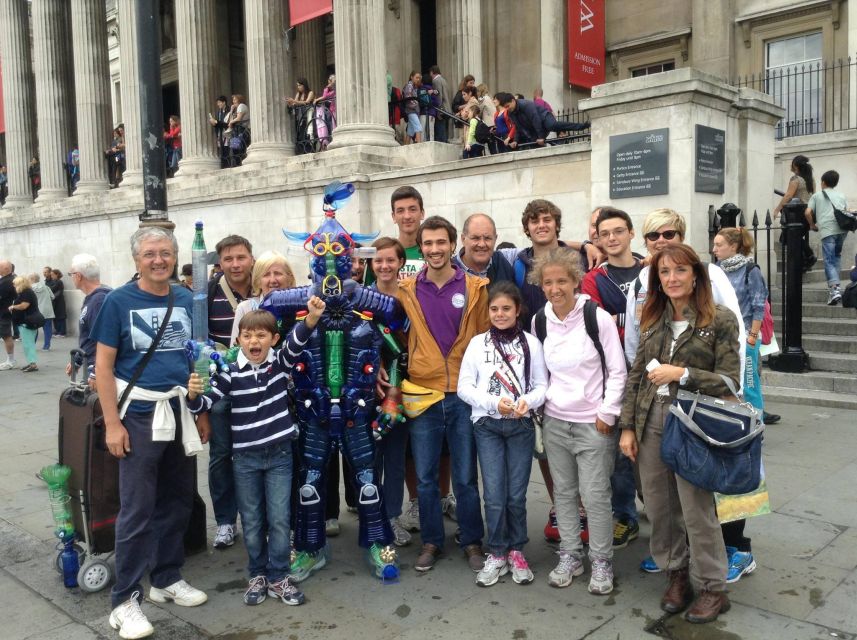
The tour finishes at Trafalgar Square, which is a convenient place to transition. You’re in a central zone where it’s easy to keep exploring by foot or connect to transit. Ending there also gives your day structure: Westminster’s ceremonial core first, then art, then a major city square that’s lively and useful for getting your bearings.
If you’re planning a longer day, this is where you’ll make a smart move. Look back at what you learned about the area—government presence near Westminster, ceremony around Horse Guards, art movements inside the museum—and use that to guide where you walk next. You’ll feel like you’re connecting dots instead of just moving from stop to stop.

Italian (and English) guidance: why language changes the experience
A big part of the value is that the tour is Italian, with English available too. For some people, language isn’t about comfort—it’s about precision. Art and architecture explanation often includes details that can get lost when you only catch the gist. Having an Italian-speaking guide means you can follow the “why” behind what you see.
What I like about how this is set up is that it’s not just translation. The best guides in the feedback are praised for professional competence and for addressing questions, not dodging them. So if you’re curious about symbolism, context, or how different periods influenced style, you’re more likely to get answers that feel satisfying.
And if your group includes different language comfort levels, the English option can help you avoid splitting apart mentally. You’ll still get the tour’s core thread, rather than everyone reading the room at different speeds.
Price and value: what $477 per group (up to 4) really buys
The price is $477 per group up to 4 for a 3.5-hour private tour. That’s not a budget price, so you need to think like a buyer: what’s included that you can’t easily recreate solo?
Here’s the value angle:
- Private guide time: You’re paying for direct attention, not just access to landmarks.
- National Gallery visit with free entry: You’re not just getting directions; you’re getting museum explanation.
- Art-history expertise: That’s the difference between seeing famous paintings and understanding what makes them important.
If you’re a solo traveler, the per-person cost is higher. If you’re a pair, or a small family group of up to four, it can feel more reasonable because you’re splitting the guide cost while keeping the experience tailored.
I’d also factor in time value. You’re condensing Westminster’s main sights into a short window, then pairing it with one of London’s top art stops. If you’re only in London briefly, this kind of plan can be the difference between “we saw stuff” and “we learned how to see stuff.”
Who should book this tour, and who might not love it
This is a great fit if you want a focused, high-impact Westminster day without turning it into a marathon. It’s also a strong choice for art lovers who don’t want a free-roaming museum visit where you feel lost halfway through the galleries.
It may be less ideal if you want deep time in just one place. For example, if you love Westminster Abbey and want long interior time, or if you want hours in the National Gallery to follow your own interests one painting at a time, the 3.5-hour structure may feel limiting.
It also works well if your group values good communication. Recent feedback highlights guides who explain clearly, handle questions, and keep the conversation going, including with younger participants.
Should you book Westminster and the National Gallery in Italian?
I’d book it if you’re the type of person who likes famous places more when someone helps you notice what matters. The combination is smart: Westminster’s ceremonial-and-political setting in the first half, then an art-focused museum segment with free entry in the second half. And the Italian-speaking guide approach is a real advantage if you want nuance, not just quick facts.
I’d hesitate only if you’re expecting slow sightseeing or a “museum all day” experience. This tour is built for efficiency and clear interpretation, not endless wandering. If that matches your travel style, it’s a strong option.
FAQ
How long is the Westminster and National Gallery tour in Italian?
It lasts 3.5 hours total.
Where do I meet the guide?
You meet at Westminster Tube station, exit 4, in front of Caffè Nero.
Is entry to the National Gallery included?
Yes. The National Gallery tour includes free entry.
What languages are available on the tour?
The tour is offered in Italian, and English is also available with the guide.
What sights will we see around Westminster?
You’ll see major Westminster landmarks, including the Palace of Westminster and the area around Big Ben, plus Westminster Abbey, St James’s Park, 10 Downing Street, and the Changing of the Horse Guards.
Where does the tour end?
The tour ends at Trafalgar Square.
Is this tour wheelchair accessible?
Yes, the tour is listed as wheelchair accessible.
What’s the cancellation policy and how flexible is booking?
You can cancel up to 24 hours in advance for a full refund, and there is also a reserve now & pay later option.