REVIEW · LONDON
Women in Art Walking Tour
Book on Viator →Operated by Women of London · Bookable on Viator
Women at the National Gallery change everything. This Women in Art walking tour lets you see major works through the eyes of women who made them, not just who got painted, with a small group of five and serious art talk inside the museum. I love the way it spotlights women artists you rarely get explained well in standard museum visits, and I love that the tour is built around real themes like representation and influence, not random trivia. One consideration: the start can feel slightly confusing, since the front desk may not be the best source for tour help—so be ready to find the guide quickly near the main entrance.
You’ll spend about 2 to 2.5 hours moving through the National Gallery’s collection, guided in English, and you’ll get an admission ticket included. The focus is big: changing the story of art history by putting women back where they belong—creating, shaping styles, and influencing what came after.
This is also a wheelchair- and stroller-accessible experience and service animals are allowed. If you want a museum visit that feels thoughtful and doable (not a marathon), this one is easy to recommend.
In This Review
- Key Highlights You’ll Actually Feel During the Tour
- Why Women in Art Rewrites What You See at the National Gallery
- The Small-Group Size That Makes Art History Feel Human
- Stop 1: Your National Gallery Walk Through Women’s Stories
- Artemisia Gentileschi: Biblical Narratives With a Woman’s Perspective
- Berthe Morisot: Impressionism Under Gender Restrictions
- What the Tour Adds Beyond Average Museum Visits
- How the Art Themes Hold Together for 2 Hours
- Pace, Timing, and the Reality of a Museum Walk
- Practicalities: Mobile Ticket, Public Transport, and Service Animals
- Accessibility and Comfort: Wheelchair- and Stroller-Friendly Route
- Price and Value: Is $54.85 Worth It?
- Who This Tour Fits Best (and Who Might Skip It)
- Should You Book the Women in Art Walking Tour?
- FAQ
- How long is the Women in Art Walking Tour?
- Where does the tour take place?
- Is admission included?
- How many people are in the group?
- What language is the tour offered in?
- Is it accessible for wheelchairs and strollers?
- Are service animals allowed?
- Can I get a full refund if I cancel?
Key Highlights You’ll Actually Feel During the Tour

- No more than five people in the group, so the guide’s attention isn’t spread thin
- National Gallery admission included, so you can focus on the art instead of ticket juggling
- Women in Art themes that connect paintings to who came before and after
- Artemisia Gentileschi in depth, including her ties to Caravaggio’s naturalism
- Berthe Morisot and the reality of gender limits in the Impressionist circle
- Wheelchair and stroller accessible so more people can enjoy the walk
Why Women in Art Rewrites What You See at the National Gallery
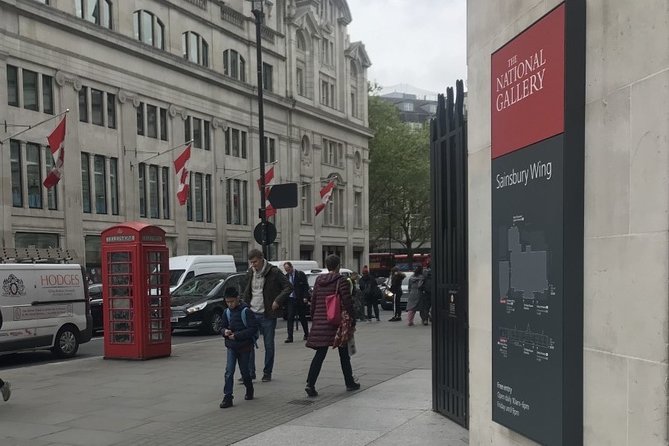
The National Gallery is packed with masterpieces, but a lot of how people talk about art history still leans toward a narrow script. This tour takes that script and flips it. You’re not just admiring paintings—you’re learning how women were treated, portrayed, and—most importantly—how they created.
I like tours that change your viewing habits. Here, the goal is to help you look at paintings with a new question in mind: who had agency here? That’s where the experience becomes more than a themed walk.
You’ll also learn why it matters that women weren’t simply subjects. The tour is designed to show them as innovators—artists with choices, artistic strategies, and real influence on later work. That makes the artworks feel less like museum artifacts and more like evidence.
You can also read our reviews of more walking tours in London



The Small-Group Size That Makes Art History Feel Human
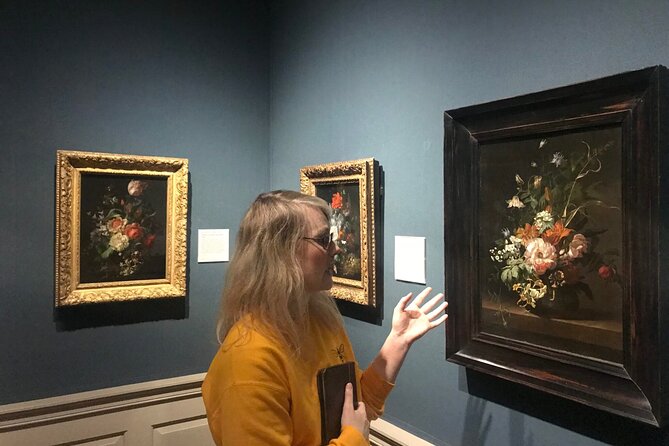
One of the biggest value points is the group size. No more than five people means you get a calmer pace and more back-and-forth in the room. In a museum, that’s everything. When questions and comments are possible, you remember more than what’s on the label.
The tour runs for about 2 hours (approx.), and it’s paced as a walking experience through the collection rather than a quick hit-and-run. That timing is ideal if you want something more meaningful than a self-guided loop, but you also don’t want to burn your whole day inside one building.
And because admission is included, you’re not forced into a separate ticket step. That’s a small thing, but it adds up when you’re planning a London itinerary.
Stop 1: Your National Gallery Walk Through Women’s Stories
Your main stop is the National Gallery, and the tour moves through the collection using women artists as the thread. The theme isn’t just who painted what—it’s how women were represented, how their work was shaped by restrictions, and how their ideas influenced those who came after.
This stop is where you’ll get the most concrete takeaways, because the guide focuses on specific artists and the choices they made in their art. Instead of learning women in art as an extra chapter, you get them as the storyline.
Artemisia Gentileschi: Biblical Narratives With a Woman’s Perspective
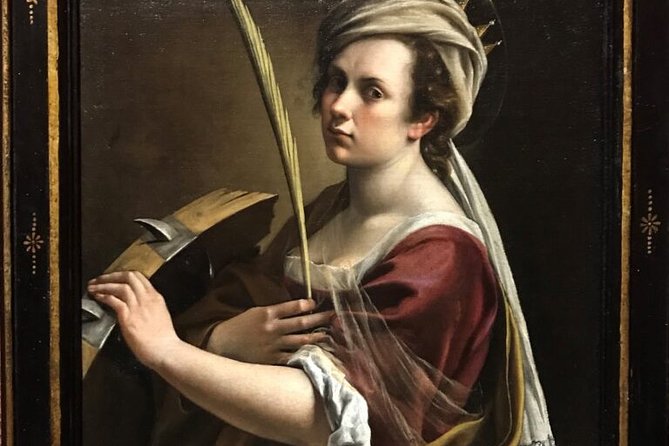
One of the tour’s core moments is Artemisia Gentileschi from the 17th century. You’ll learn that her style was influenced by Caravaggio’s naturalistic approach, but the bigger story is how Artemisia used painting to claim authority.
The tour explores why she chose biblical narratives about women. That choice matters because it reframes familiar stories. You’re not watching women as background characters—you’re seeing them positioned as central figures with presence and power.
You’ll also hear why Artemisia portrayed herself as the main character. That idea can shift how you read her work instantly: self-portraiture here isn’t just about likeness. It’s about authorship—about choosing the viewpoint and placing herself in the narrative.
If you only ever hear names of old masters, Artemisia can feel like a footnote. This tour helps her feel like a voice.
Berthe Morisot: Impressionism Under Gender Restrictions
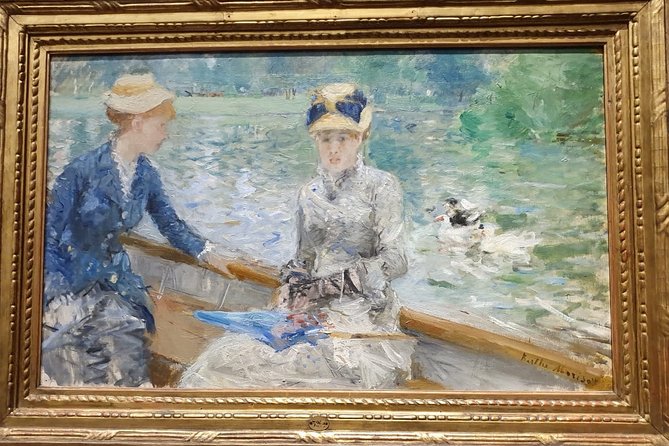
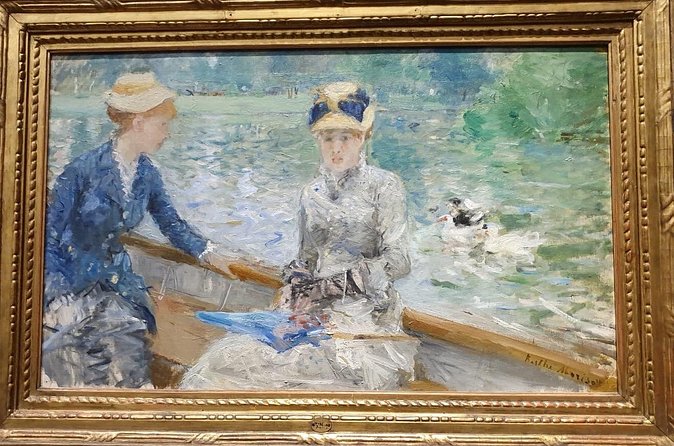
Another key focus is Berthe Morisot, the Impressionist painter who exhibited her work alongside major artists such as Monet, Degas, and Renoir. Hearing her connected to that circle helps you understand that she was part of the movement, not on the margins.
The tour also highlights the reality of gender restrictions and how that affected what women could do and how they were allowed to be seen. That doesn’t turn the story into a lecture. It becomes a lens for looking—so you start to notice how visibility and access shape artistic careers.
Morisot’s place in the Impressionist world is a good reminder that art movements weren’t only shaped by style. They were shaped by who was permitted to participate.
When you walk away from the Morisot part, you’ll likely find yourself comparing what you saw to what you assumed about Impressionism. That’s the point.






What the Tour Adds Beyond Average Museum Visits
A theme that runs through the experience is simple: you learn things you won’t easily find in a basic guide approach. You’re not getting a list of names. You’re getting connections.
Here’s what those connections do for you:
- They explain why an artist’s choices make sense in context
- They link representation in paintings to real-world restrictions and opportunity
- They show how women’s work influenced what came later
If you love art, you already know the label facts. What you want next is interpretation—why a painting matters beyond its subject.
How the Art Themes Hold Together for 2 Hours
It’s easy for themed museum tours to feel like a random collection of cool facts. This one is structured around themes that build as you move through the gallery.
The tour’s narrative centers on representation and influence. Representation means how women are portrayed in paintings—often as objects—and how that portrayal can change when women themselves are the creators. Influence means how women artists shaped art history through their techniques, choices, and innovations.
When those two themes run together, you start to see the collection differently. You might begin to look for patterns: who gets framed as the main character, who gets credited as an author, and how style can be tied to personal agency.
That’s a win for art lovers and also a win for people who feel like they don’t know enough. You don’t need to come in with background knowledge. The tour gives you enough context to understand why the artists made specific choices.
Pace, Timing, and the Reality of a Museum Walk

Plan for an indoor walking experience, not a long outdoor stroll. The time window matters: around 2 to 2.5 hours is long enough for real discussion, but short enough to keep your energy up.
If you’re pairing this with other London plans, I’d treat it like one solid museum block. You’ll likely want a little buffer afterward to sit, reread a few artworks you saw, or just wander with less mental load.
Also, since the tour is in English and the group stays small, it tends to be easier to follow than large audio-headphone styles. You’ll get the benefit of human pacing: pauses, emphasis, and explanations when something visually matters.
Practicalities: Mobile Ticket, Public Transport, and Service Animals
This experience runs with a mobile ticket, which is a relief in London. You don’t need to hunt down paper prints or worry about losing something in a bag.
It’s also listed as being near public transportation, which is helpful if you’re bouncing between sights. For most people, getting here won’t be the hard part.
The tour also notes that service animals are allowed. That’s straightforward, and it’s worth checking if you need it for your own situation.
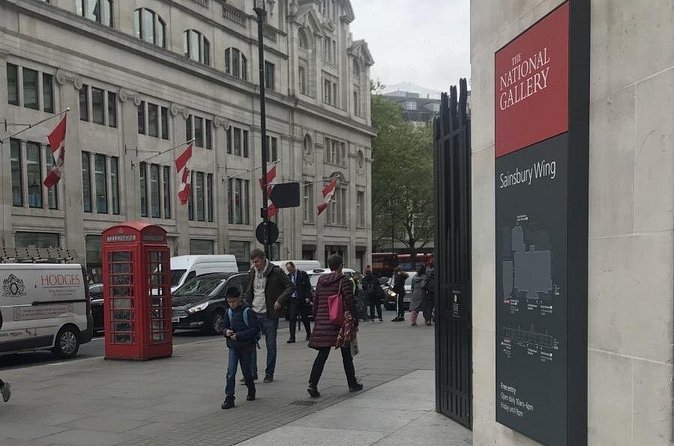
One practical note from real-world experience patterns: museum front desks don’t always know the details for every guided program. If you’re trying to locate the group, don’t wait around for help that might not arrive. Keep your eyes open near the main entrance area and be ready to contact the provider if the group isn’t where you expect it to be.
Accessibility and Comfort: Wheelchair- and Stroller-Friendly Route

The tour is described as wheelchair and stroller accessible, which is a big deal for a London museum visit. Museum floors and sightlines can be tricky, so it matters when an operator plans for mobility needs.
If you’re bringing a stroller, the small-group format also tends to help. It’s easier to navigate tight spaces when there aren’t lots of people spilling across the same paths.
If you want a museum experience that doesn’t feel like a solo struggle, this is set up for that. I’d still encourage you to wear comfortable shoes and plan for indoor walking, since the experience is built as a walk through the National Gallery collection.
Price and Value: Is $54.85 Worth It?
At $54.85 per person, this is not a bargain-basement deal. Still, it can be good value if you care about the art enough to want a guided narrative, not just museum access.
Here’s the value math that matters:
- You’re paying for a guided experience in a major museum
- The group stays very small (no more than five people)
- Admission is included, so you’re not paying twice for entry
If you were to go to the National Gallery on your own, you could absolutely enjoy it. But you’d miss the structured themes—especially the in-depth attention to artists like Artemisia Gentileschi and Berthe Morisot, including context about Caravaggio’s influence, biblical storytelling choices, and gender restrictions.
For art lovers, that interpretive layer is usually where the money goes. For casual visitors who only want to skim highlights, it might feel like more than they need. For anyone who wants meaningful museum time, it’s priced in a way that makes sense.
Who This Tour Fits Best (and Who Might Skip It)
This tour fits best if you’re:
- An art lover who wants more than label facts
- Visiting the National Gallery and want a guided path through key ideas
- Interested in women’s roles in art history as creators, not just subjects
- Looking for a calmer, small-group experience
You might skip it if you:
- Prefer full independence and hate structured walks
- Want only the most famous paintings, with no interpretive framework
- Are short on time and need a very quick museum sweep
Should You Book the Women in Art Walking Tour?
I’d book this if you want your National Gallery visit to feel purposeful. The focus on women artists like Artemisia Gentileschi and Berthe Morisot gives you a story you can carry from room to room, and the small-group size makes it easier to stay engaged instead of drifting through crowds.
If you’re the type who likes learning how artists made decisions—why they chose certain subjects, how they built on other styles, and what limitations shaped their careers—this tour gives you that kind of context in a practical format.
If, on the other hand, you’re only aiming for a quick look and you don’t care much about interpretation, you might get more value spending that time on a self-guided route and then reading up later.
FAQ
How long is the Women in Art Walking Tour?
It lasts about 2 hours (approx.).
Where does the tour take place?
The tour is in London, and it centers on the National Gallery.
Is admission included?
Yes. Admission Ticket Included is part of the experience.
How many people are in the group?
The tour group is no more than five people.
What language is the tour offered in?
It’s offered in English.
Is it accessible for wheelchairs and strollers?
Yes. The tour is listed as wheelchair and stroller accessible.
Are service animals allowed?
Yes. Service animals are allowed.
Can I get a full refund if I cancel?
Yes. Free cancellation is available, and you can cancel up to 24 hours in advance for a full refund.