REVIEW · LONDON
London East End – Guided Walking Tour 12 guests 2,5h
Book on GetYourGuide →Operated by Babylon Tours London · Bookable on GetYourGuide
Street art meets history in London’s East End. This guided walk mixes Banksy-level visuals with market time and story-driven stops you can build on later. I especially like the way the guide turns murals into a mini-lesson on politics and culture, and how the route lands you near Spitalfields Market so you can keep exploring after the tour. One thing to consider: it’s a walking tour with no museum site entry, so you’ll get context more than indoor viewing.
Small groups help. I like that you can go private or semi-private (up to 8), and the pacing stays manageable at about 2.5 hours starting at Liverpool Street. If you’re traveling with big luggage, plan ahead: large bags aren’t allowed.
In This Review
- Key things to know before you go
- Entering the East End from Liverpool Street in 2.5 hours
- Petticoat Lane Market: the warm-up you can taste (and photograph)
- Artillery Passage and the street-art storytelling angle
- Old Spitalfields Market: where the route turns into browsing time
- The Truman Brewery stop: art culture with a modern pulse
- Whitechapel: Jack the Ripper context without getting grim
- Brick Lane and High Street: the street-art aftertaste
- Lewis Chessmen and the Oxus Treasure: how this tour treats museum icons
- Meeting your guide: why the names show up in the praise
- Group size and pacing: 12 people versus smaller groups
- What’s included, and what you’ll need to plan yourself
- Price and value: is $61 for 2.5 hours worth it?
- Who should book this East End walking tour?
- When to go and how to prepare
- Should you book it or look for another option?
- FAQ
- Where does the London East End walking tour start?
- How long is the guided walking tour?
- How much does the tour cost?
- What is included in the tour price?
- Are food and drinks included?
- Does the tour enter the sites it visits?
- Is wheelchair access available?
- What should I bring and what should I avoid?
Key things to know before you go
- Liverpool Street start (Kindertransport statue) makes it easy to find on arrival.
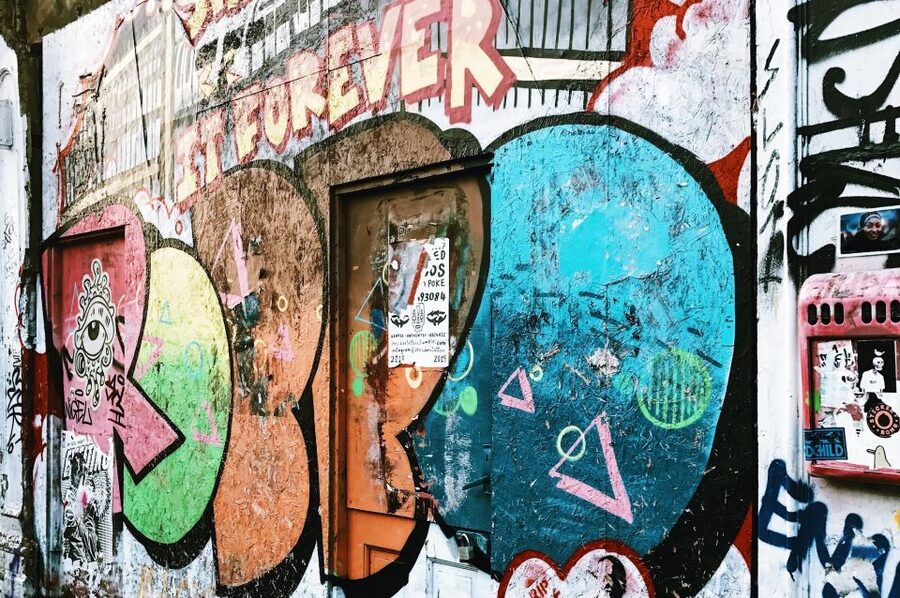
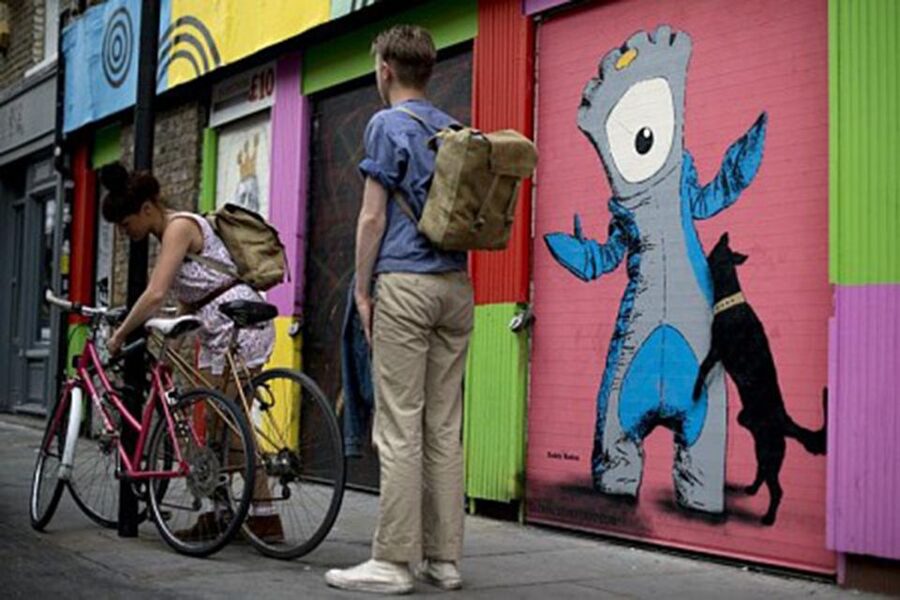
- Shepard Fairey and Banksy street art focus turns quick photos into a real story.
- Spitalfields Market stops give you shops, snacks, and atmosphere without a food-tour format.
- Short, timed photo stops keep momentum—good if you dislike long standstills.
- Semi-private groups may require a minimum headcount to run.
- No site entry means you’ll look, listen, and connect the dots rather than go inside.
Entering the East End from Liverpool Street in 2.5 hours
The tour begins at the entrance of Liverpool Station, outside by the Kindertransport statue. It’s a smart meeting point: you’re right where trains, tubes, and buses make it easy to arrive on time and get oriented fast.
The total time is about 2.5 hours, with a sequence of short walks and focused stops. That timing matters in the East End. Streets change block by block, and the artwork can be missed if you’re just speed-walking. This route builds in photo and look-around moments, so you don’t feel rushed while the guide explains what you’re seeing.
You can also read our reviews of more walking tours in London


Petticoat Lane Market: the warm-up you can taste (and photograph)
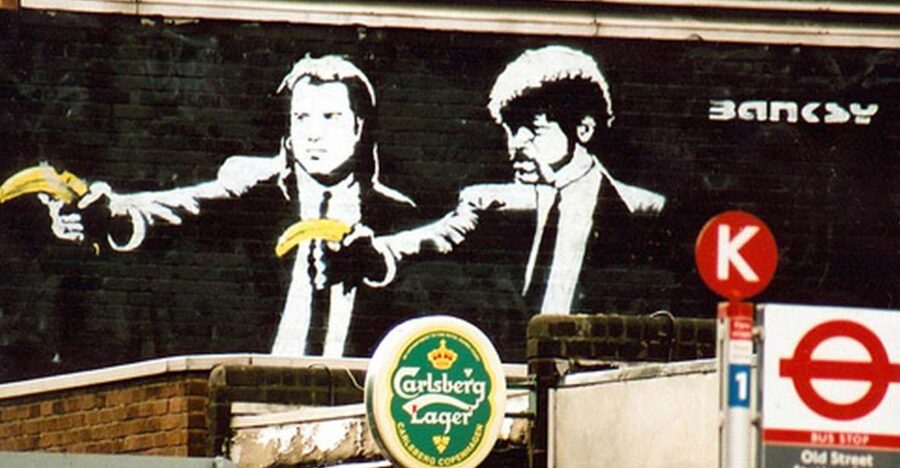
One of the first stops is Petticoat Lane Market. You get a quick photo stop plus a guided look. Even if you’re not shopping, this is where you start to feel the area’s mix of everyday life and counterculture energy.
What you’ll get: street-level London commerce—people moving fast, sellers calling out, and the kind of everyday textures that make the later art stops feel grounded rather than staged.
Possible drawback: it’s short. If you love markets and could happily spend an hour browsing, treat this as a taste, then plan to return on your own.
Artillery Passage and the street-art storytelling angle
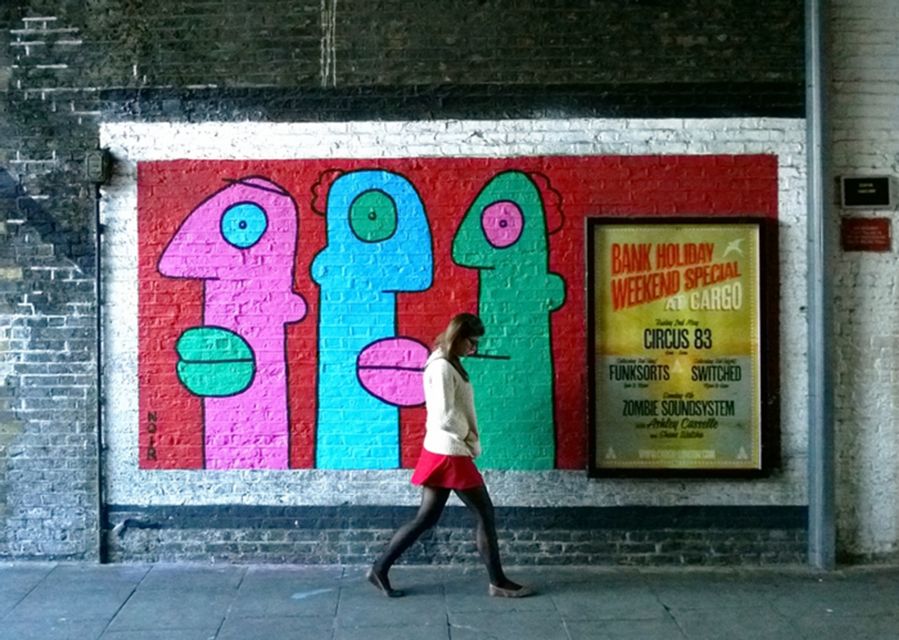
Next comes Artillery Passage, another brief stop with photo time and guidance. This is where the tour starts doing its main job: taking street art beyond just cool visuals.
In guide-led tours like this, the best value is the explanation. From the way the guides have been praised, they tend to connect what’s on the wall to bigger ideas—timing, messages, and the social or political push behind the work. That’s exactly what you want on an East End walk, because the neighborhood has always had strong opinions and strong characters.
Tip for you: bring your phone camera, but also pause long enough to read the mural details the guide points out. Some pieces are easy to miss at a glance.
Old Spitalfields Market: where the route turns into browsing time
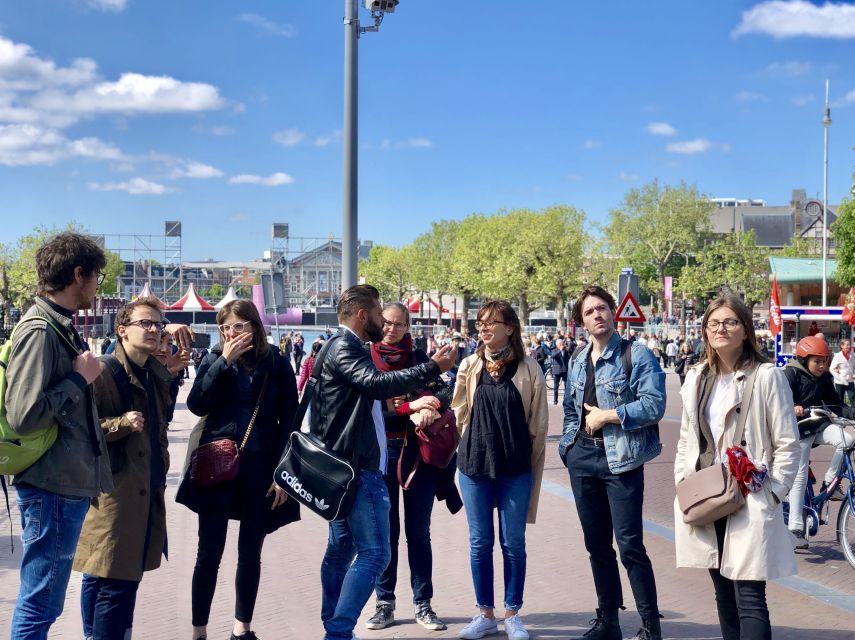
Old Spitalfields Market is one of the longer stops on the walk (about 15 minutes), with photo time, guided points, and a look through the area.
This is your chance to see how Spitalfields Market fits into the wider East End story. It’s not just a backdrop. It’s a place where people come to shop, eat, and hang around—so the street art you saw outside starts to feel like part of a larger creative scene.
What I like about this part for you: it gives breathing room. After the wall-to-wall explanations, a market stop helps you process it all while you’re surrounded by real-world energy.
Good to know: food and drink aren’t included. But the tour’s structured enough that you’ll leave with ideas for what to try nearby.
The Truman Brewery stop: art culture with a modern pulse
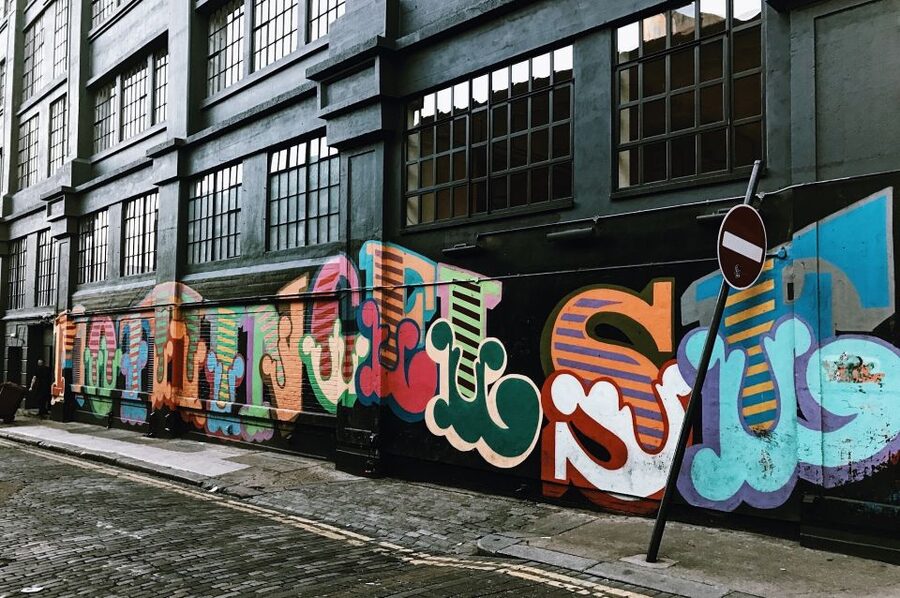
The Truman Brewery gets about 15 minutes, again with guided sightseeing and photo time. This stop works well if you like street art that isn’t stuck in the past. It’s a space where contemporary culture shows up in a visible, commercial way—so you can compare different moods of the neighborhood.
What you can expect: more “how this fits together” explanation than a single fact dump. The guides are known for answering questions and making connections, which helps when you’re trying to understand what street art is doing in London today.
You can also read our reviews of more guided tours in London





Whitechapel: Jack the Ripper context without getting grim
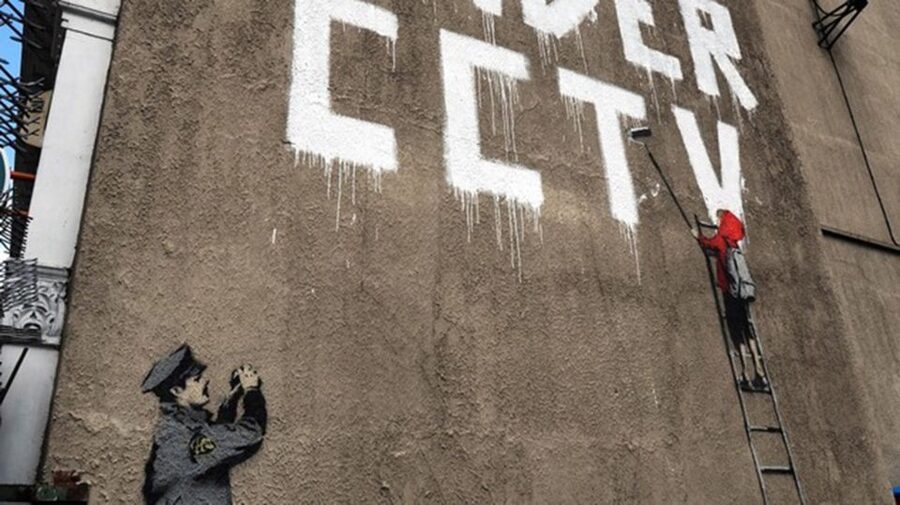
Whitechapel is included as another short stop (around 10 minutes). This area has the famous Jack the Ripper association, and the tour uses that setting to frame the neighborhood’s contradictions.
The value here: you get context for why the East End attracts attention and how the area’s darker reputation sits beside creativity, commerce, and daily life. The goal isn’t to scare you; it’s to explain why this neighborhood became a stage for stories—written and painted.
What to consider: it’s quick. If you want a full crime-history deep read, this won’t replace a dedicated historical tour. Think of it as grounding context.
Brick Lane and High Street: the street-art aftertaste
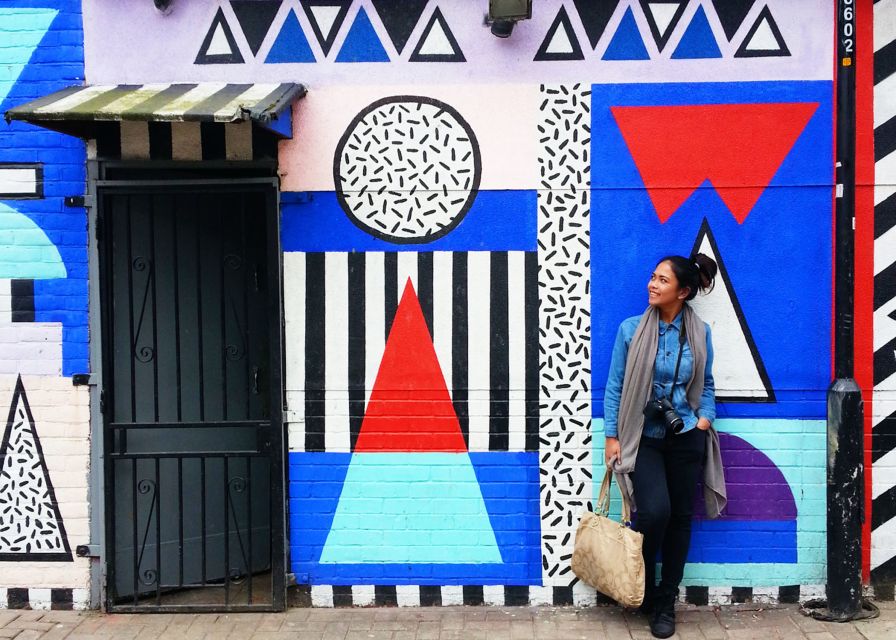
Brick Lane is another roughly 10-minute stop. Then you hit High Street (also around 10 minutes). Together, these parts act like the tour’s second act: you see more street art energy and you get a final push to understand how the neighborhood’s look and feel carry meaning.
This is where the “London contradictions” idea becomes real. The East End isn’t one vibe. It’s history plus new ideas. It’s old buildings plus fresh murals. It’s markets, cafes, and side streets all sharing the same sidewalks.
Small-group bonus: when your group is smaller, it’s easier for the guide to keep pace and answer individual questions without everyone getting left behind.
Lewis Chessmen and the Oxus Treasure: how this tour treats museum icons
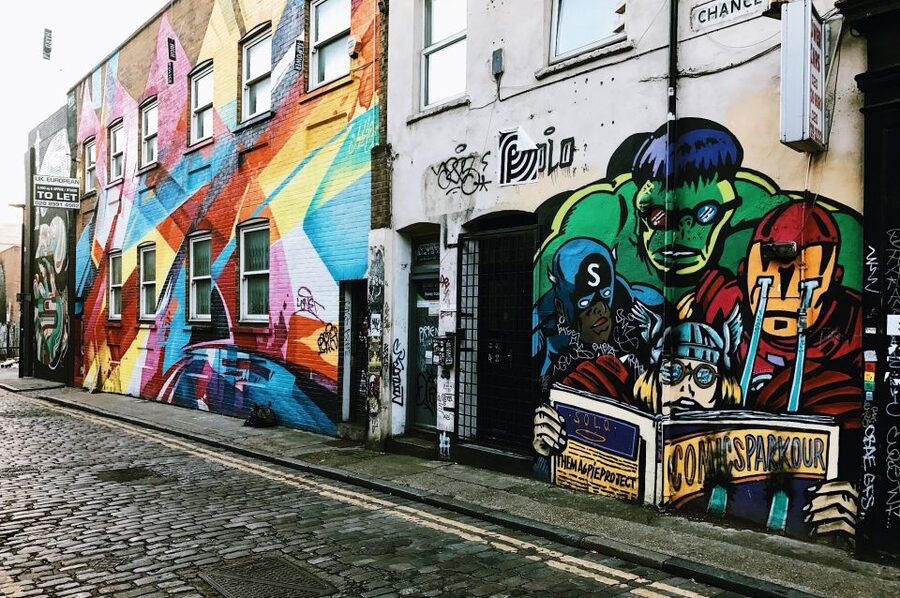
Two of the headline highlights are the Lewis Chessmen and the Oxus Treasure. Those names are big museum touchstones, and it’s clear the tour is tying street-level London to world-famous collections.
Here’s the key constraint: the tour does not enter the sites visited. So you should think of this as a guided connection—what these famous objects mean, why they matter, and how they relate to the broader cultural story the guide is building along the route.
How to get the most out of it: if these artifacts interest you, plan a follow-up museum visit on your own after the walk. The tour is great at helping you decide what to prioritize later, because you’ll understand what you’re looking for.
Meeting your guide: why the names show up in the praise
In the feedback for this tour style, certain guide names come up often—Jake and Becky, plus one mention of Jack. The common thread: guides are described as enthusiastic, thoughtful, and good at linking what you see on the street to the bigger meaning behind it.
If that matters to you, it matters here. Street art tours can turn into speed-photo sessions with vague commentary. This one is built around interpretation: what the artwork is communicating and why it resonates in London.
Group size and pacing: 12 people versus smaller groups
The standard group size noted is up to 12 guests. There are also private and semi-private options, with semi-private runs capped at 8.
That difference changes the vibe:
- With up to 12, you get a bit more social energy, but the guide’s time per person can shrink.
- With up to 8, you tend to get more room for questions and slower looking.
Either way, the tour stays within about 2.5 hours, and the route uses lots of short segments. That makes it easier for mixed interests—some people want art, others want market time, and both can be satisfied.
What’s included, and what you’ll need to plan yourself
Included:
- A professional local tour guide
- Private and semi-private options
Not included:
- Food and drink
- Hotel pick-up and drop-off
So you’ll want to plan your meal timing. If you’re doing this earlier in the day, you can use the market and café area near Spitalfields to grab something after. If you’re doing it later, plan a proper stop for dinner, because you’ll likely spend extra time wandering once you’re done.
Price and value: is $61 for 2.5 hours worth it?
$61 per person for a 2.5-hour guided walking tour is reasonable if your main goal is learning to see. What you’re paying for isn’t just movement through the East End—it’s a guide who can connect street art to themes like accessibility, politics, and how messages get shaped by timing.
The route also adds value through variety:
- market atmosphere (Spitalfields and Petticoat Lane area)
- art-focused streets (including Banksy and Shepard Fairey references)
- culture context (Whitechapel framing)
- museum-item connections (Lewis Chessmen and Oxus Treasure references)
If you already know London’s street-art scene and you only want photos, you might feel this is pricey for what looks like a short walk with outdoor stops. But if you want your photos to come with meaning—and want a plan that guides you to places worth repeating—this price starts to make sense quickly.
Who should book this East End walking tour?
Book it if you:
- want street art explained with more than surface-level comments
- like market time without committing to a full food tour
- enjoy neighborhoods that mix history, art, and everyday life
- want a small, guided plan with clear stops you can revisit later
Skip it (or at least set expectations) if you:
- want museum entry and indoor viewing as part of the package
- hate walking for 2.5 hours total
- need wheelchair accessibility (this one is not suitable for wheelchair users)
When to go and how to prepare
This tour runs daily, so you can slot it in on most itineraries. Still, the practical bits matter.
Bring:
- Passport or ID card (valid photo ID)
Don’t bring:
- Luggage or large bags
And wear:
- Comfortable walking shoes. The stops are short, but you’ll still cover enough pavement to feel it by the end.
Should you book it or look for another option?
I’d book this tour if your priority is street art with context and you like the idea of ending near places you can keep exploring. The best part is the balance: you get the art focus, the market feel, and historical framing without turning it into a grim lecture.
If you’re the type who only wants indoor attractions, you may leave slightly unsatisfied because the sites aren’t entered. But if you treat this as a guided way to see the East End differently—and then use your time after the walk to browse and snack—you’ll get a lot of value from the $61 price tag.
FAQ
Where does the London East End walking tour start?
Meet by the Kindertransport statue at the entrance of Liverpool Station (outside).
How long is the guided walking tour?
The duration is about 2.5 hours.
How much does the tour cost?
The price listed is $61 per person.
What is included in the tour price?
A professional local tour guide is included, and there are private and semi-private options.
Are food and drinks included?
No. Food and drink aren’t included.
Does the tour enter the sites it visits?
No. The tour does not enter the sites visited.
Is wheelchair access available?
No. This tour isn’t suitable for wheelchair users (wheelchair tours are only on request).
What should I bring and what should I avoid?
Bring valid photo ID (passport or ID card). Luggage or large bags aren’t allowed.