REVIEW · LONDON
London: National Portrait Gallery Guided Tour
Book on GetYourGuide →Operated by Follow Me Walking Tours · Bookable on GetYourGuide
Portraits can make London feel personal fast. This guided tour through the National Portrait Gallery uses faces and paintings to tell a political and social story you can actually follow. I like it best when a guide builds a clear timeline from era to era.
I also love the cast of characters. You’re not stuck with monarchs only; the tour frames London through kings, queens, poets, politicians, social reformers, plus even architects and engineers. That mix helps you see how ideas and power spread through everyday life.
One consideration: it’s a 90-minute museum sprint, not a slow, wandering day. Plus, while wheelchair access is generally available, there are some stairs and an escalator along the way.
In This Review
- Key things to know before you go
- Portraits at the National Portrait Gallery: why this tour works
- Finding the meeting point at Ross Place (and keeping it stress-free)
- Tudor power to early 1900s: how the timeline is built
- Reading kings, queens, and politicians like a storyline
- Poets, social reformers, and the people who changed the rules
- Architects and engineers: the less-obvious side of Britain
- What you’re really paying for: value at about $26
- Who should book this tour (and who might want a different plan)
- Quick practical tips before you go
- Should you book this National Portrait Gallery guided tour?
- FAQ
- Where is the meeting point for the tour?
- How long is the National Portrait Gallery guided tour?
- Is the tour guided, and what language is it in?
- What is included in the price?
- What should I bring with me?
- Is wheelchair access available?
- Is the tour suitable for children?
- Is it free to cancel?
Key things to know before you go
- A guided timeline from Tudor times to the early 20th century using portraits as your map
- Kings, queens, politicians, and poets explained through the people behind the image
- More than royalty: social reformers, architects, and engineers show up in the story
- Private or small groups available, so you’re not just lost in a crowd
- English-speaking guide focused on context you can use right away
- Good walking comfort matters since you’ll be on your feet in the gallery
Portraits at the National Portrait Gallery: why this tour works
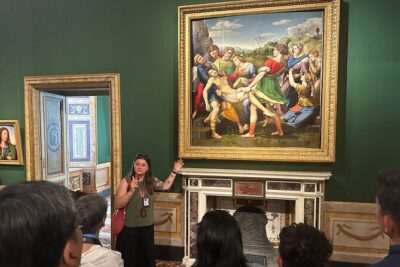
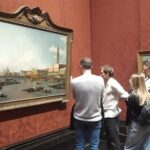
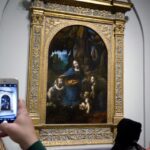
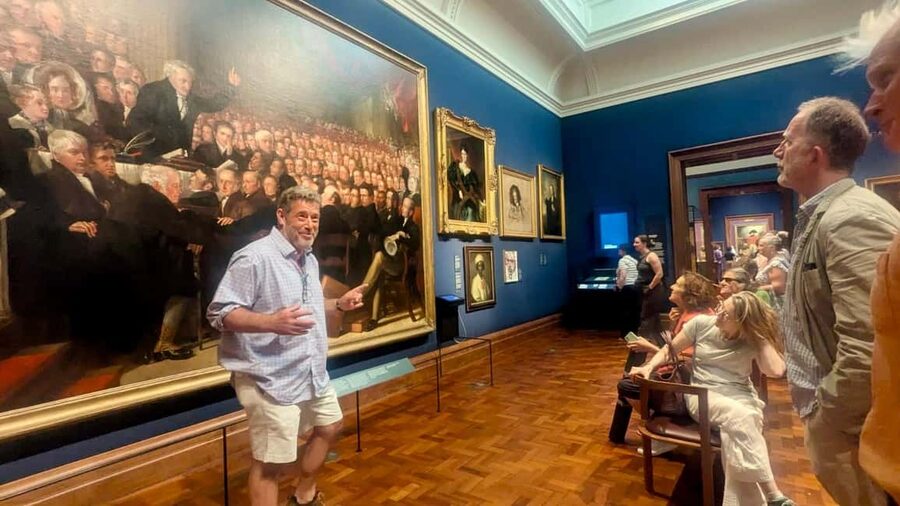
London has a lot of history you can read in stone. But portraits do something different: they show how authority looked, how status was signaled, and how public figures wanted to be remembered. At the National Portrait Gallery, a good guide turns that gallery wall into a working timeline of British society and government.
I like tours where the guide doesn’t treat portraits like isolated trivia. Here, the whole point is to use the collection like evidence. You move through the gallery and connect the themes—power, culture, reform, and empire—so the era you’re in starts to make sense.
Also, the tour length is realistic. At 1.5 hours, you get focused interpretation without needing to plan your whole day around museum hours. That’s ideal if you’ve already got London plans and you want one strong history block.
You can also read our reviews of more guided tours in London

Finding the meeting point at Ross Place (and keeping it stress-free)
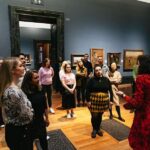
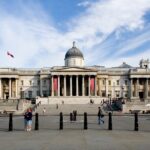
Meet in the main reception after security at the main entrance in Ross Place. That’s the key detail that saves time. Show up a few minutes early so you’re not speed-walking right at start time while the security line is still moving.
Wear comfortable shoes. Even though you’re not doing a long-distance walk outside, museum tours are still mostly standing and navigating corridors. If you’re sensitive to foot fatigue, this is one place where you’ll feel it fast.
Wheelchair access is generally available, but there are some stairs and an escalator. If you use a wheelchair, I’d plan for that reality and arrive ready to take routes that fit the building layout. The guide can help you work with the museum flow once you’re there.
Tudor power to early 1900s: how the timeline is built
The tour uses portraits to track London’s evolution from Tudor times into the early 20th century. You’re not just looking at famous names; you’re seeing how the same country changes its politics, culture, and social rules over time.
Think of it like this: each portrait becomes a clue about the moment it was made—and the moment the person lived in. Tudor-era images help you understand the roots of political authority and court culture. As the tour continues, later portraits shift the emphasis toward government, public debate, and the way national identity hardened and spread.
By the time you reach the early 1900s, the setting feels bigger than a royal story. The tour frames London as a place shaping the wider world—through political decisions, cultural voices, and the people building systems (including the designers and engineers behind the changes you might otherwise miss).
Reading kings, queens, and politicians like a storyline
One of the best parts is the way portraits teach you to “read” history through role and image. A king or queen isn’t just a person in a painting; the portrait usually signals legitimacy, authority, and how power wants to be seen.
With politicians, the focus becomes how public leadership is presented and how it connects to social change. You’ll hear stories behind the portraits, including the people who led—or sometimes tried to control—the development of modern Britain. That can include rulers and officials, but also the broader political cast that shaped policies and attitudes.
I especially like that the tour doesn’t keep everything at the top level. It connects leadership to the social world around it, so the gallery story doesn’t feel like a list of reigns. You start to understand why public image mattered, not just who held office.
And if your guide is Patrick, there’s an added bonus. He’s been praised for weaving a continuum across the portraits, so you feel the story move forward rather than jumping between unrelated figures. Even if you don’t know the names ahead of time, the guide’s thread helps.
Poets, social reformers, and the people who changed the rules
Royal portraits can pull you in, but the tour gets its momentum when it widens the lens. You’ll meet poets, social reformers, and other figures whose work shaped public life. That matters because social and political history aren’t separate tracks—they feed each other.
Poets and writers show you how ideas spread. Reformers show you the pressure building under society’s surface—who argued for change, who resisted it, and how that conflict shaped Britain’s direction. By the time the tour reaches the wider set of characters, you’re not only learning “what happened,” you’re learning how people argued, pushed, and organized.
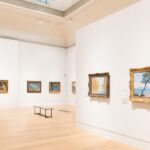
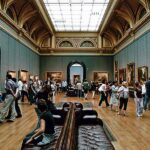
This is where the gallery format shines. In a book, it’s easy to skim names. Here, you stay face-to-face with the subject and let the guide connect the dots: who they were, what they stood for, and why they ended up painted and remembered.
You can also read our reviews of more museum experiences in London


Architects and engineers: the less-obvious side of Britain
A tour that includes architects and engineers is a smart move. It reminds you that history isn’t only made by speeches and crowns. Design and construction, engineering and practical innovation—these shape daily life and influence what cities can become.
When the tour brings these portraits into the storyline, you see how modern Britain had to be built as well as governed. It’s a shift from “who won power” to “how systems and environments got made,” which can be eye-opening if you’re used to history that stays strictly political.
You don’t need technical knowledge to get value here. The guide’s job is to explain why these figures matter and how their work connects back to the bigger social and political picture.
What you’re really paying for: value at about $26
At around $26 per person for 1.5 hours, you’re not just buying museum time. You’re buying interpretation. A guide’s context turns portraits from decorative art into clues you can use to understand the eras.
If you wandered the National Portrait Gallery alone, you’d likely see plenty of faces—but you might miss the thread that links Tudor politics to later public life, or how poets and reformers fit into the national story. This tour helps you assemble that storyline in a short, focused window.
It’s also good value for groups. The tour can run as private or in small groups, which often means you’ll get more interaction than with larger public sessions. If you’re traveling with friends and you want shared context without turning it into a lecture, this format is a solid fit.
Who should book this tour (and who might want a different plan)
I think this tour is best for you if you like British history but don’t want to spend hours stitching it together from guidebooks. It’s also great if you enjoy stories that connect politics to culture—how public life and social change move together.
You’ll get the most out of it with at least a basic knowledge of British history, but you don’t need to be an expert. The guide-led structure is there to help you follow along.
It’s not suitable for children under 15. If you’re traveling with younger kids, you’ll probably find the pacing and subject matter better suited to family-friendly alternatives.
Finally, if you hate standing in museums, this might not be your favorite format. The time is short, but you’re still on your feet through multiple galleries.
Quick practical tips before you go
- Bring comfortable shoes since you’ll be moving through the gallery space.
- If you can, arrive with a little background on the eras the tour covers (Tudor through early 1900s). It speeds up understanding.
- If you’re using a wheelchair, plan for some stairs and an escalator, even though access is generally available.
- The guide speaks English, so plan for that if you need translation support.
Should you book this National Portrait Gallery guided tour?
Book it if you want an efficient, high-context history experience that uses portraits as your timeline. At $26 for 90 minutes, it’s a good deal for people who want more than museum browsing—especially if you like political and social history connected through real people.
Skip it if you prefer long unstructured museum time or if you need totally barrier-free movement. And if you’re traveling with kids under 15, it’s not the right match.
If you’re the kind of traveler who enjoys learning how a city thinks—not just how it looks—this guided portrait story is worth your afternoon.
FAQ
Where is the meeting point for the tour?
Meet in the main reception after the security check at the main entrance in Ross Place.
How long is the National Portrait Gallery guided tour?
The tour lasts 1.5 hours.
Is the tour guided, and what language is it in?
Yes, it includes a live tour guide, and the tour is in English.
What is included in the price?
The price includes a tour of the National Portrait Gallery and a live tour guide.
What should I bring with me?
Wear comfortable shoes.
Is wheelchair access available?
Wheelchair access is generally available, but there are some stairs and an escalator.
Is the tour suitable for children?
It is not suitable for children under 15.
Is it free to cancel?
Yes. You can cancel up to 24 hours in advance for a full refund.