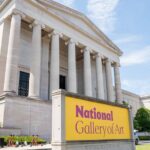
REVIEW · WASHINGTON DC
DC Masterpieces: National Gallery & Portrait Gallery Tour
Book on GetYourGuide →Operated by Unscripted Tours · Bookable on GetYourGuide
Masterpieces in three hours, no map panic. This Washington D.C. tour is interesting because it gives you a route through world-class art without wasting time in galleries full of tempting detours. You focus on the biggest works, including the only Da Vinci painting in the Americas.
I also like how the guide connects what you’re seeing to the stories behind it. You’re not just reading labels; you’re getting technique talk, context, and the human side of the art, like the kind of behind-the-scenes details that don’t fit on a wall placard. One example: a guide named Claudia came through as friendly and clearly knew her stuff.
One heads-up: you will walk. Museums mean lots of floors, rooms, and stairs, and there are rules on what you can bring in (think comfortable shoes and avoiding big bags).
In This Review
- Key things that make this tour worth your time
- A 3-hour plan through Washington’s top art rooms
- Start near 7th and D: why the meeting point actually helps
- National Gallery West Wing: Renaissance and Impressionism power move
- National Gallery East Wing: I.M. Pei’s modern contrast
- Portraits, identity, and the Old Patent Office finale
- Why the $79 price can make sense for this schedule
- What to do (and not do) to keep the day smooth
- Who this tour fits best
- Should you book the DC Masterpieces National Gallery and Portrait Tour?
- FAQ
- How long is the DC Masterpieces tour?
- Where does the tour start?
- What museums are included?
- How large is the group?
- Is flash photography allowed?
- Is the tour wheelchair accessible?
Key things that make this tour worth your time
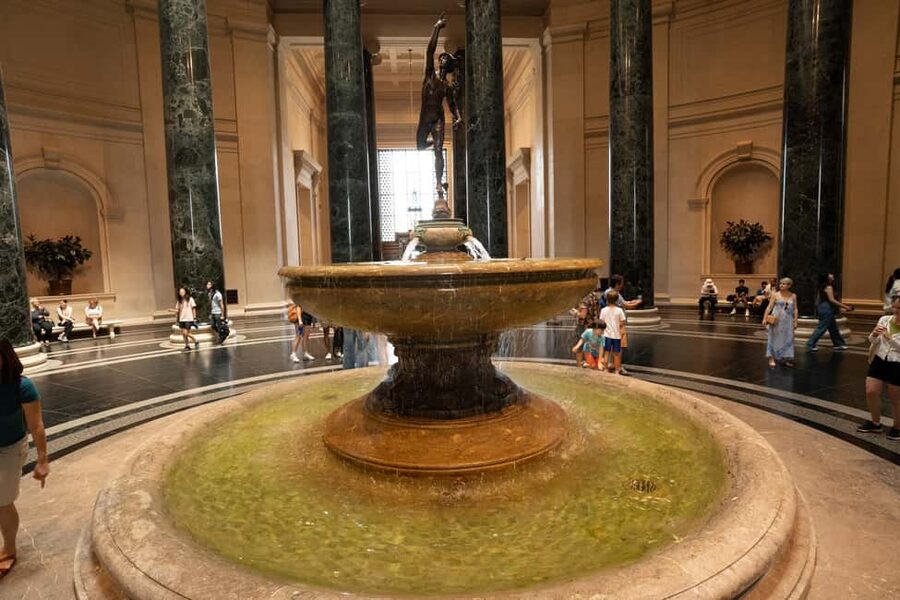
- Hit the National Gallery heavyweights fast without getting swallowed by the collection’s sheer size
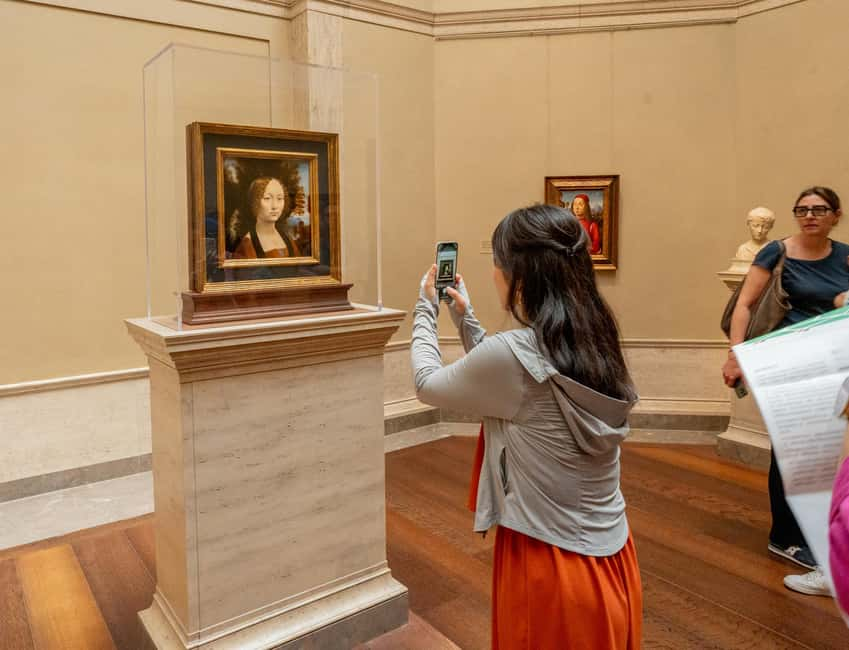
- See the only Da Vinci in the Western Hemisphere and understand why it matters
- West Wing to East Wing contrast: Renaissance/Impressionism to modern art under I.M. Pei’s design
- Learn the art’s backstory with scandals, techniques, and details a plaque won’t give you
- End at the Old Patent Office Building with Abraham Lincoln’s second inaugural ball history
- Presidents on view through the America’s Presidents portrait focus
A 3-hour plan through Washington’s top art rooms
Washington D.C. is great for museums, but it can also be a little sneaky: you show up with good intentions and suddenly you’re lost in a sea of rooms. This tour solves that problem with a tight schedule and a clear goal—getting you to major works while you’re still fresh.
The whole experience is designed around time efficiency. The National Gallery of Art alone has over 85,000 works, so trying to do it on your own can become a stress test. Here, you follow a route that emphasizes the “must-see” pieces and also includes the controversial and historically meaningful works. Translation: you’re not just collecting photos. You’re building a coherent picture of what these museums are doing and why.
And you’ll do it with a small group—limited to 6 participants. That size matters. It’s easier to ask questions, and your guide can keep the pace from turning into a rushed line of feet.
You can also read our reviews of more museum experiences in Washington Dc

Start near 7th and D: why the meeting point actually helps
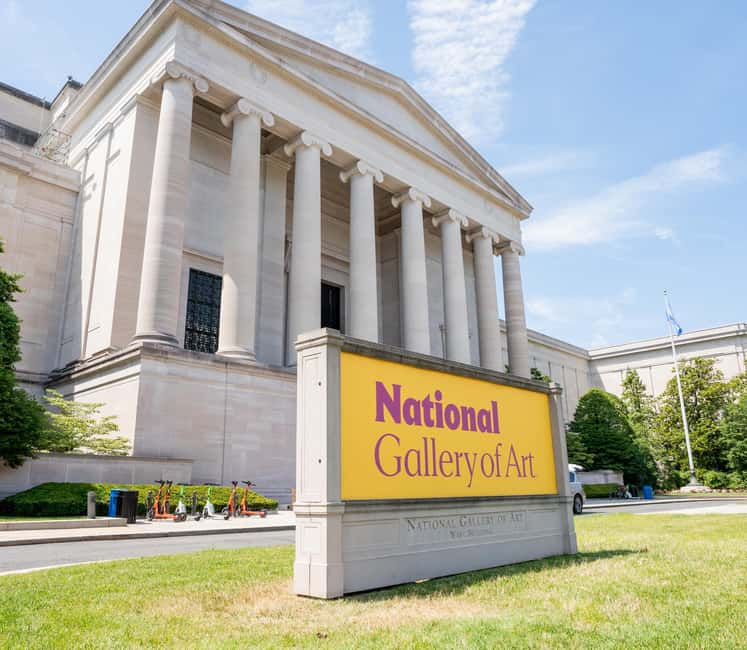
You’ll meet at 400 7th St NW, near the corner of 7th and D Streets. The organizer notes you’ll see Unscripted Tours signs in front of the storefront, which is practical if you’re arriving by metro, rideshare, or on foot.
Why this matters: a good start reduces your “first 20 minutes panic.” You get guided momentum right away, so you can spend your energy looking at art instead of double-checking directions.
Also, because you’ll be moving between multiple museum areas, it helps to begin with a plan rather than arriving and then trying to figure out which wing to tackle first.
National Gallery West Wing: Renaissance and Impressionism power move
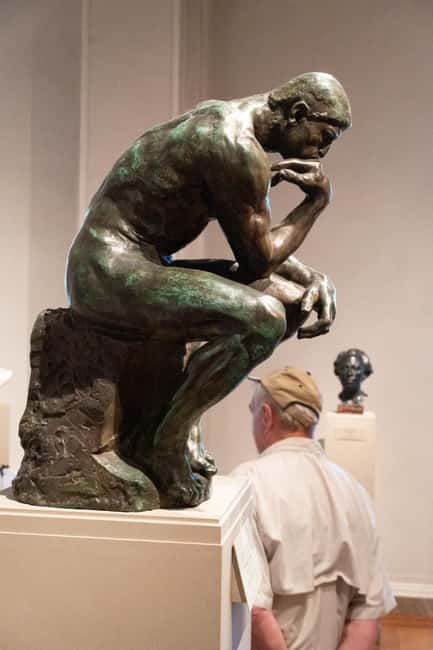
Your first major stop is the National Gallery of Art (West Wing) for about 1.5 hours. This is where you step into older art traditions and the transition toward the Impressionist mindset.
The tour’s focus here is smart: it prioritizes artists and works you’ll recognize, plus a few “wait, really?” moments. The highlight is the only Leonardo da Vinci painting in the Americas. Even if you know him mostly through textbooks, seeing a da Vinci in person changes the experience. You start noticing how controlled the work feels, even before you understand every detail of technique.
From there, you move through other heavyweight names the route is designed to spotlight:
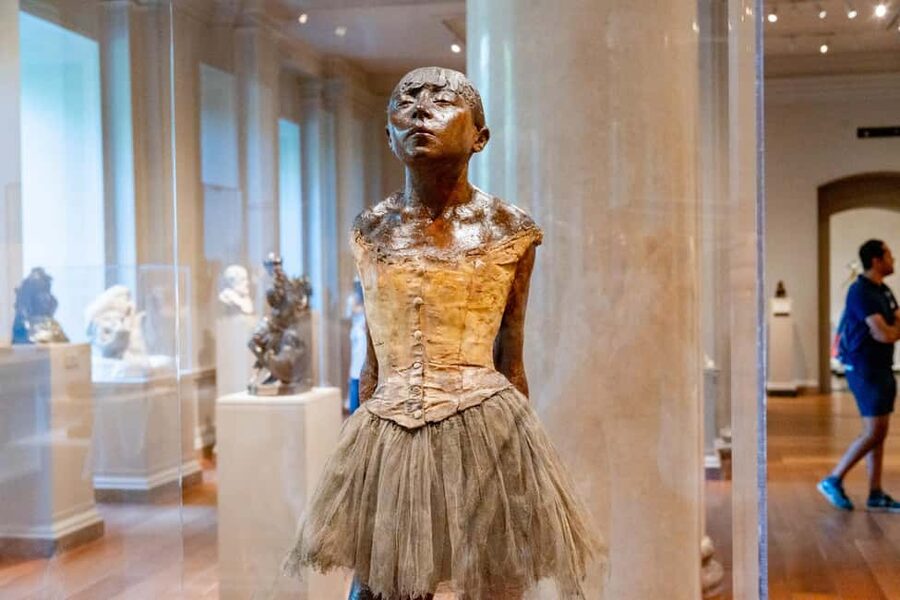
- Degas and his delicate dancers
- Monet and the pull of color and atmosphere
- Raphael, with that Renaissance mastery feeling
- Van Gogh, with bold, expressive painting that reads fast and sticks in your memory
A tip for how to enjoy the West Wing: let yourself spend a little extra attention on brushwork and composition rather than trying to “finish” the whole room. The guide’s job is to get you to the right rooms—your job is to slow down for the most important works.
One possible drawback here is the same one you’ll feel in every big museum: it’s easy to want to keep looking after the guide moves on. The flip side is that the tour is built around momentum, so you get variety instead of tunnel vision on just one wing.
National Gallery East Wing: I.M. Pei’s modern contrast
Next you head to the East Wing for the modern art experience, where the building itself becomes part of the story. This wing is designed by I.M. Pei, and the effect is immediate: architecture with a more contemporary attitude.
This stop is about contrast. You’re not just seeing different artists. You’re seeing a different way of thinking about what art can do—break rules, shock expectations, and compress big ideas into bold visual language.
The tour highlights major modern and postmodern names, including:
- Picasso
- Salvador Dalí and surrealism
- Andy Warhol and pop-art icons
Here’s why this section is valuable even if modern art isn’t your default style: the guide helps you connect what you’re seeing to the cultural mood of the time. Modern art can feel like a private joke until you understand the point of the reference. When you get that context, the paintings stop looking like random experiments and start looking like intentional arguments.
Another practical note: because this part is about modern art, you may find the visuals hit you faster. That’s good news for your attention span. You’ll get the “aha” feeling sooner, which keeps the tour enjoyable as you move toward the final museum stop.
Portraits, identity, and the Old Patent Office finale
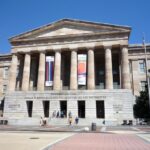
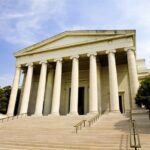
The tour wraps at the Old Patent Office Building, a historic site that hosted Abraham Lincoln’s second inaugural ball. That’s more than trivia. It makes the final stretch feel like you’re stepping into a chapter of American civic identity, not just another photo stop.
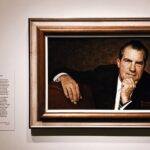
From there, you focus on the National Portrait Gallery and the Smithsonian American Art Museum with about 45 minutes each. The centerpiece is the America’s Presidents area, where you stand face-to-face with the leaders who shaped the nation.
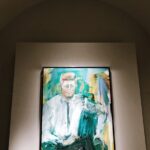
You’ll also see how portraiture functions like a public record—an ongoing conversation about leadership, symbolism, and national values. The tour description also calls out presidential portraits and those found on currency, which is a great reminder that portraits aren’t only for museums. They’re part of daily life in the U.S., even when you don’t notice it.
How to get the most out of this part: look at faces and outfits like they’re storytelling devices. Even without reading every caption, you’ll notice how artists communicate power, idealism, or personality through pose and styling. With a guide, you can also connect that to the broader idea of how American identity shifts over time.


Why the $79 price can make sense for this schedule
$79 per person is not “cheap,” but it also isn’t outrageous for a three-hour, small-group art tour centered on major museum access and expert interpretation.
Here’s how I think about value in this case:
- You’re paying for a route that saves you the time of figuring out what’s worth seeing across multiple museum sections.
- You’re paying for someone to explain the technical and historical angles that you would otherwise miss while rushing through galleries.
- You’re paying for a group size that stays small enough for real questions.
If you’re a casual museum-goer, you might feel the price more strongly. But if you enjoy art and you want your time in D.C. to feel purposeful, the guide-led format can be a better value than self-guided wandering—especially given the National Gallery scale.
Also, the tour is 3 hours total. For visitors who want a single afternoon “hit” without sacrificing the rest of the day, that timing matters. It can fit easily with a dinner plan or a separate sight like the National Mall area nearby.
What to do (and not do) to keep the day smooth
Museums reward prepared visitors. Here are the practical rules that actually affect your comfort and flow:
- Bring comfortable shoes. You’re walking a lot, and you’ll want support.
- Flash photography is not allowed inside the museums. Keep your camera settings ready and use natural light or standard museum lighting for photos where permitted.
- Backpacks and large bags are not permitted inside the exhibition rooms. That’s one of those annoyances that can slow you down at coat-check or bag-handling. If you can travel light, you’ll enjoy the tour more.
Good mindset: treat this like a guided “greatest hits” with context, not a full museum marathon. You’re there to see key works and learn how to look at them.
Who this tour fits best
This tour makes the most sense if:
- You want a high-impact overview of top art in Washington D.C. without spending hours choosing what to see
- You like story-led museum visits, including technique and historical context
- You prefer a small group (up to 6) rather than a big crowd
It might be less ideal if:
- You want to spend long, quiet hours in one room without moving along on a schedule
- You’re traveling with a lot of bulky gear that you’ll struggle to store outside exhibition spaces
The sweet spot is someone who wants to feel oriented fast, sees art best with a guide’s context, and wants to leave with a real sense of what these museums highlight and why.
Should you book the DC Masterpieces National Gallery and Portrait Tour?
I’d book it if you’re short on time and you care about seeing real standouts with real explanations. The mix of West Wing masterpieces, East Wing modern-art heavyweight names, and then the Presidents focus in the Old Patent Office setting creates a trip that feels structured and meaningful.
I especially like that you’re not left to guess where to go in a huge building. The guide-led route gets you to the works you came for—like the only Da Vinci in the Americas—and then helps you connect those pieces to the bigger story of art in Washington.
If you’re the type who wants to roam at your own pace for hours, you may find the schedule a bit tight. But if you want the smart, time-efficient art day that still feels personal, this one is a strong choice.
FAQ
How long is the DC Masterpieces tour?
The tour lasts 3 hours total.
Where does the tour start?
The meeting point is at 400 7th St NW, near the corner of 7th and D Streets, with Unscripted Tours signs in front of the storefront.
What museums are included?
You’ll visit the National Gallery of Art (West Wing and East Wing), then the National Portrait Gallery and the Smithsonian American Art Museum, with the finale in the Old Patent Office Building.
How large is the group?
It’s a small group limited to 6 participants.
Is flash photography allowed?
No. Flash photography is not allowed inside the museum.
Is the tour wheelchair accessible?
Yes, the tour is wheelchair accessible.